Your face stings after shaving because the razor’s friction compromises your skin barrier, exposing nerve endings and allowing irritants to penetrate the freshly abraded surface. You’re experiencing razor burn—immediate redness and irritation occurring within hours post-shave due to excessive pressure, dry shaving, or shaving against hair growth. This stinging sensation typically resolves quickly, though improper technique and dull blades intensify the discomfort. Understanding what triggers your specific irritation can help you implement targeted prevention strategies.
Razor Bumps vs. Razor Burn: What’s the Difference?
Although both conditions cause facial discomfort after shaving, razor burn and razor bumps are distinct dermatological responses with different underlying mechanisms. Razor burn manifests as immediate redness and irritation from friction, appearing within hours post-shave and resolving quickly. Conversely, razor bumps emerge 1-2 days later from ingrown hairs curling back into follicles.
Razor burn symptoms include surface-level burning, tenderness, and diffuse redness without hair involvement. Razor bumps present as distinct, raised, inflamed lesions centered on follicles—often containing pus if infected. Understanding razor bump causes—including close shaving, frequent grooming, and natural hair curl patterns—helps differentiate these conditions. While razor burn represents acute irritation from shaving friction, razor bumps constitute chronic inflammation persisting weeks until hair fully regrows. For individuals with sensitive skin, foil shavers cut hair at or above the skin surface to eliminate razor burn and ingrown hairs. Recognizing these differences enables targeted treatment approaches. Changing razor blades regularly is essential for preventing razor burn and minimizing skin irritation during shaving. For individuals with sensitive skin prone to these conditions, compact electric shavers offer gentler alternatives that reduce friction and irritation during grooming.

PIVOT & FLEX FOIL TECHNOLOGY: Shaver adjusts to facial contours for a close, comfortable shave. Use short circular strokes and light pressure. Best results when used daily for the first few weeks.

Skin Friendly Foil System: Dudes, meet your no-yank zone! These grooming beasts rock precision titanium blades with built-in smart sensing tech – bye-bye beard tugging. The floating head design? Lets your portable razor glide like butter on facial contours. Smooth operator status: unlocked

Essential electric shaver for women and girls is designed for shaving sensitive skin on legs
Why Your Shaving Technique Causes Razor Burn
Your shaving technique plays a critical role in whether you’ll experience razor burn, as improper methods compromise your skin’s barrier function and increase friction-induced irritation. Applying excessive shaving pressure forces your blade below the hair surface, creating epidermal cracks and promoting ingrown hairs. Instead, use a light hand with a sharp blade that glides smoothly across your skin.
Dry or rapid shaving eliminates lubrication, causing inflammation and irritation. Conversely, proper skin hydration through pre-shave preparation with cream or gel reduces irritation considerably. Using a quality shaving cream to soften hairs and lubricate for efficient cutting is essential for preventing razor burn. Shaving against hair growth amplifies these effects, particularly with curly or coarse hair types that curl back into your skin. Regular exfoliation before shaving removes dead skin cells and dirt that can intensify irritation during the shaving process. Flattening your neck skin by adjusting your head position can also help minimize friction and irritation during the shave.
Additionally, shaving swollen morning skin or using dull razors compounds damage. Shave during evening showers, using sharp razors and proper technique to minimize razor burn effectively. Cold water rinsing during or after shaving can reduce inflammation and soothe irritated skin.
Cold Water, Moisturizer, and Products to Avoid Right After Shaving
Once you’ve finished shaving, the immediate post-shave period determines whether you’ll experience prolonged stinging or rapid relief. Apply cold water immediately to constrict blood vessels and reduce inflammation. This step soothing irritation by minimizing micro-abrasion activation and closing pores against environmental irritants.
Wait 5-10 minutes before applying products, allowing your skin to settle and preventing harsh formulas from seeping into micro-cuts. Then apply a soothing moisturizer—preferably fragrance-free with ceramides or aloe vera—to restore your disrupted skin barrier and lock in hydration. Look for lightweight formulas with hyaluronic acid to optimize hydration without a greasy feel. Shaving at night allows your skin recovery time without exposure to daily environmental stressors like sun and pollution. The same care principles used for sensitive areas, such as keeping skin stretched tight during shaving, apply to facial shaving to minimize irritation and cuts.
Avoid alcohol-based aftershaves, fragranced lotions, menthol products, and exfoliants entirely. These aggravate raw skin and intensify stinging. Skip hot water rinses and tight clothing that creates friction burn. Pat your face dry gently rather than rubbing. If stinging persists beyond normal recovery, consult a dermatologist to rule out infection.

[ HYALURONIC ACID MOISTURIZER ] With hyaluronic acid, ceramides and MVE technology for 24 hour hydration. Rich, velvety texture that leaves skin feeling smooth, it is absorbed quickly for softened skin without greasy, sticky, feel.

DAILY FACIAL MOISTURIZER: This moisturizing face cream delivers a powerful boost of hydration to nourish and plump skin for a firmed-up, bouncy complexion with a luminous finish that lasts all-day and feels soft.

[ DAILY MOISTURIZING LOTION ] Smooth, light-weight texture that is absorbed quickly, leaving skin feeling smooth and hydrated, never greasy
Dry Shaving: The Most Common Culprit
While proper post-shave care can minimize stinging, the foundation for preventing facial irritation actually begins before the razor touches your skin. Dry shaving stands as the primary culprit behind post-shave discomfort. Without lubrication, your razor creates excessive friction against facial hair and skin, causing microscopic tears in your epidermis. This friction-induced damage manifests as razor burn—clinically classified as irritant contact dermatitis.
Your skin sensitivity amplifies when you skip water, cream, or gel. Unsoftened facial hair resists the blade, forcing increased pressure and tugging. This mechanism elevates your risk for nicks, cuts, and ingrown hairs. Additionally, dry shaving strips away your skin’s protective oil layer, compromising your moisture barrier by up to 40%. For those who prefer electric grooming alternatives, cordless clippers offer a gentler option that eliminates blade friction against skin. Maintaining sharp blade edges through proper maintenance ensures even cutting without tugging and reduces the risk of skin trauma. The result: heightened inflammation and prolonged stinging that you can easily prevent through proper pre-shave preparation. Using pH-balanced products designed to work together restores your skin’s natural balance and accelerates healing after shaving.
How Dull Razors Cause Razor Burn and Skin Damage
As dull blades lose their cutting efficiency, they scrape rather than slice through facial hair and skin, triggering the inflammatory response clinically known as razor burn. This scraping action creates superficial to mid-dermal wounds around hair shafts, producing pain and inflammation characterized by redness and burning sensations.
Your skin sensitivity heightens when dull blades cause excessive trauma. Pressing harder compounds the problem, increasing nicks, cuts, and follicle damage that heightens bacterial infection risk. You’ll experience uneven shaves with missed hairs and potential ingrown hairs from repeated irritation. A light hand and sharp blade improve shaving outcomes and reduce skin damage significantly. Using an electric shaver with Sonic Technology can further minimize irritation by reducing the number of passes needed over sensitive skin.
Proper blade maintenance prevents these complications. Replace blades every five to seven shaves—sooner if you have coarse hair or uneven skin. Visual cues like faded lubricating strips, skin tugging, or irritation indicate it’s time for replacement. Sharp blades require only light pressure for smooth gliding, minimizing trauma and post-shave irritation considerably.

Premium Stainless Steel & Ergonomic Grip – This stainless steel straight razor ensures durability and smooth performance. The professional straight razor for men has an ergonomic handle for superior control, making every shave seamless and precise.

100 "Derby Premium" Single Edge Razor Blades for straight razor

Professional straight razors for men - High quality barber razor & shaving blades from GTEX brand for clean, close & precise shaves. Obtain 100+ close cut shaves from these cut throat razors for men
Shaving Against the Grain Increases Irritation
When you shave against your hair’s natural growth direction, you’re fundamentally altering the mechanics of blade-to-skin interaction in ways that amplify irritation. This shaving direction creates increased friction as the blade tugs hair before slicing it, pulling at the follicle itself rather than cleanly severing above skin level. You’re cutting closer to the root, elevating razor burn likelihood greatly.
The opposing shaving direction disrupts your skin barrier, introducing stinging and heightened sensitivity immediately post-shave. For sensitive skin types, this technique almost guarantees razor burn or inflammatory bumps within hours. Using a fresh blade minimizes irritation from dull edges that can exacerbate these reactions. Electric shavers using scissor-like dual blades may provide a safer alternative for those experiencing persistent irritation, though options like the Braun Series 9 Pro are specifically designed to reduce razor burn and ingrown hairs. Your hair growth pattern determines ideal blade trajectory; working against it raises ingrown hair risk by damaging follicles and promoting folliculitis through irritated tissue. Respect your natural grain direction for considerably reduced long-term irritation.
Aggressive Products That Make Stinging Worse
Beyond blade technique, the products you’re applying to your skin during and after shaving play an equally crucial role in post-shave stinging. Aggressive shaving products containing harmful ingredients compromise your skin’s protective barrier when it’s most vulnerable.
Alcohol strips natural lipids, triggering irritation and moisture loss. Sulfates remove excessive oil, disrupting your skin barrier and causing dryness and redness. Fragrances act as common allergens, penetrating deeper through open pores post-shave. BHT, a federally recognized toxic preservative, causes serious skin irritation. Synthetic detergents like cocamidopropyl betaine produce cheap foam while stripping moisture and disrupting your barrier. Plant extracts such as Camphor and Menthol can further intensify stinging and burning sensations when applied to freshly shaved skin.
These harmful ingredients intensify stinging by removing protective oils precisely when your pores remain open and vulnerable. For beginners especially, choosing a gentler razor option alongside milder aftercare products ensures your skin receives less aggressive treatment during the shaving process. Selecting products without these aggressive compounds greatly reduces post-shave discomfort.

WITH VITAMINPRO COMPLEX: Enriched with VitaminPro Complex—Vitamin E, Provitamin B5 and Chamomile extract
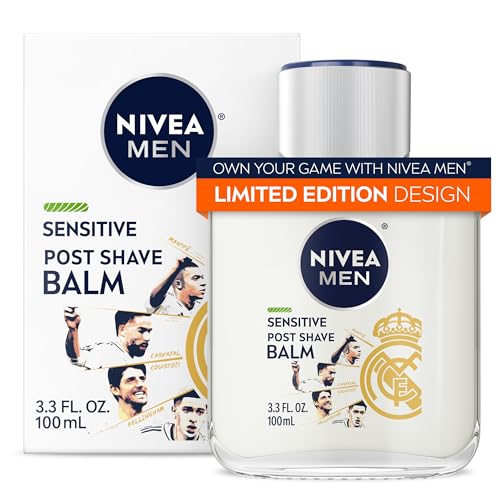
WITH VITAMINPRO COMPLEX: Enriched with VitaminPro Complex—Vitamin E, Provitamin B5 and Chamomile extract

Premium Ingredients - Our Bevel After Shave Balm for Men is formulated with Shea Butter, Jojoba Oil, Tea Tree Oil, and Witch Hazel, delivering a soothing and cooling experience for your skin
How to Prevent Razor Burn: 5 Shaving Strategies
Five evidence-based strategies can greatly reduce razor burn and post-shave stinging by addressing the mechanical and chemical factors that compromise your skin barrier.
First, shave with hair growth direction to minimize skin friction and irritation. Second, prepare skin with warm water for five minutes before shaving—this softens hair and reduces curling risk. Third, use noncomedogenic cleansers and moisturizing shaving creams; leave products on skin for 1-2 minutes to maximize effectiveness.
Fourth, maintain razor hygiene by rinsing blades frequently and replacing them every 5-7 shaves. Dull blades increase skin trauma and stinging. For sensitive areas, consider using skin-safe blade designs that are specifically engineered to prevent cuts and irritation during grooming. Electric shavers may cause additional irritation because they chew rather than cleanly cut hair, particularly for those with sensitive or coarse-haired skin.
Finally, adjust your shaving frequency based on skin sensitivity. Shaving every 2-3 days rather than daily limits hair regrowth curling and irritation. Post-shave, apply cool compresses and moisturizing lotions to rehydrate your skin barrier effectively. Alcohol-based aftershave products can further irritate skin, so opt for gentle, hydrating alternatives instead.

MINIMIZES BLADE CONTACT WITH SENSITIVE SKIN, so you will not get as close of a shave as you would expect from our razors with 5 blades

MINIMIZES BLADE CONTACT WITH SENSITIVE SKIN, so you will not get as close of a shave as you would expect from our razors with 5 blades

SMOOTH WITHOUT IRRITATION: The Venus Extra Smooth Sensitive Women’s Razor is specifically designed for sensitive skin and delivers a long-lasting shave
What Your Skin Barrier Does (and Why Shaving Damages It)
Your skin’s barrier function—a sophisticated defense system composed of tightly packed corneocytes bound by ceramides, cholesterol, and fatty acids—is what prevents dehydration, blocks pathogens, and maintains the slightly acidic pH essential for ideal skin health. The stratum corneum’s lipid matrix regulates transepidermal water loss while filaggrin produces natural moisturizing factors critical for hydration. By understanding how to unlock your creative potential in skincare routines, you can develop personalized strategies to protect and restore your barrier function. Shaving effects directly compromise this architecture. Razor blades physically strip away corneocytes and disrupt the lipid matrix, increasing transepidermal water loss and dehydration. This mechanical trauma also disrupts your acid mantle, elevating surface pH and impairing enzyme function needed for lipid synthesis. Unlike body groomers that use different cutting mechanics, traditional razor blades are particularly harsh on facial skin due to their direct contact with the epidermis. The resulting barrier dysfunction manifests as stinging, irritation, and inflammation—your skin’s response to compromised structural integrity and heightened vulnerability to environmental irritants. A damaged barrier can also lead to dry, itchy, or flaky skin if proper care is not taken following shaving.
When to See a Doctor: Signs It’s Not Just Razor Burn
How do you know when post-shave irritation warrants medical attention? Several red flags distinguish minor shaving injuries from serious conditions requiring intervention. If irritation persists beyond 48 hours, suspect deeper tissue damage or infection. Pus-filled bumps indicate bacterial folliculitis—a skin infection requiring treatment. Fluid-filled blisters, especially clustered near sensitive areas, may signal herpes rather than razor burn, particularly if accompanied by fever or tingling sensations.
Severe discomfort that disrupts sleep or daily activities demands evaluation. Sudden increases in redness, pain, fever, or chills suggest spreading infection. Widespread symptoms unresponsive to self-care after one to two weeks necessitate prescription antibiotics. When using drying alcohols or other irritating product ingredients, the skin barrier becomes further compromised, increasing susceptibility to secondary infections. For those with sensitive skin, choosing a safety razor with a single blade can minimize irritation compared to multi-blade options, whereas rotary shavers are designed to reduce irritation for sensitive users through better skin adaptation. Post-inflammatory hyperpigmentation or keloid development can result from untreated conditions. Don’t delay—contact your dermatologist when symptoms escalate beyond typical razor burn.