You can bring an electric razor on a plane in both carry-on and checked baggage. However, you’ll need to follow TSA battery regulations carefully. Remove lithium-ion batteries and pack them separately in carry-on luggage with terminals taped to prevent accidental activation. Corded electric razors pack without restrictions in checked bags. Major U.S. airlines like American and United follow these TSA guidelines. For hassle-free travel, consider packing your razor in checked luggage entirely. Understanding which razor types face confiscation and international variations will help you navigate security smoothly.
Electric Razors Are TSA-Approved for Carry-On and Checked Bags
Because electric razors lack exposed blades, the TSA permits them in both your carry-on and checked baggage without restriction. This approval stems directly from TSA regulations that treat electric razors more favorably than their manual counterparts.
Electric razor features—particularly their protective design—prevent cuts and injuries that inspectors and baggage handlers might otherwise encounter. Commercial models include built-in safeguards that eliminate the open blade concerns triggering restrictions on straight razors and loose blades. Most electric razors are considered safe and permitted in both carry-on and checked bags due to their safety features. For optimal results when using an electric razor, proper preparation such as post-shower shaving can enhance your shaving experience. If you own a manual razor, maintaining sharp blade edges through regular sharpening will keep it in good condition for home use.
You won’t face confiscation risks or travel delays when you pack your electric razor. The device’s enclosed mechanism satisfies all general sharp object guidelines. Whether you prioritize convenience by keeping your razor accessible in carry-on luggage or prefer checking it with your other toiletries, both options remain fully compliant with TSA regulations.
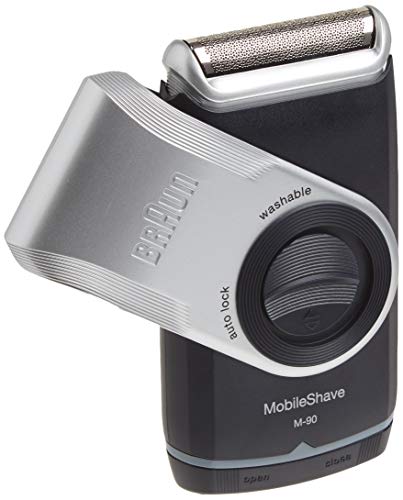
Wide Floating Foil - for close comfortable shaving

THE HANDYMAN: Our precision compact electric foil face shaver is equipped with a dual-action SkinSafe blade head that includes a long-hair leveler and a foil shaver blade.

【Painless Foil Shaver for Sensitive Skin】 – Safe for Private Areas Engineered as the ultimate shavers for women sensitive skin, this hypoallergenic foil shaver prevents cuts and irritation for truly painless shaving. Perfect for bikini area and underarms, it's gentle enough for teens, ladies, and mujer. Delivers Sensitive Shaving for face, legs, and delicate zones without razor burn.
Remove Batteries Before Packing in Carry-On Luggage
While electric razors themselves travel freely in carry-on bags, you’ll need to follow specific battery rules that vary depending on whether the battery’s installed or spare. For battery removal, detach spare batteries from your razor and pack them separately in individual plastic bags or original packaging. This prevents short circuits during transit. If you’re checking your razor, American Airlines and most carriers require battery removal—pack the battery in your carry-on instead. For carry-on packing tips, secure your razor to prevent accidental activation and cover battery terminals with tape. Keep batteries under 100 watt-hours unrestricted; higher capacities need airline approval. Spare lithium-ion batteries must only be in carry-on baggage due to fire risk. Developing creative packing strategies can help you maximize luggage space while maintaining safety compliance. Unlike other razor types, electric razors face no restrictions, making them the most travel-friendly option for frequent flyers. Always verify your specific airline’s requirements before traveling.
Pack Your Razor in Checked Luggage to Avoid Hassles
Packing your electric razor in checked luggage offers a straightforward solution to avoid the complications associated with carry-on battery regulations. By placing this travel essential in your checked bag, you eliminate concerns about lithium battery restrictions and carry-on space limitations. Most major carriers including Delta and American Airlines permit battery-powered shavers in checked baggage following TSA and FAA guidelines.
For ideal baggage organization, use your razor’s original protective case or a dedicated toiletry bag. This approach simplifies security screening and prevents damage during baggage handling. To maintain your razor’s performance during travel, consider regular maintenance with a small brush to remove any hair or debris before packing. If your shaver has a removable battery pack, pack the battery separately in carry-on luggage instead. Corded shavers require no special considerations and can be packed assembled, though for those seeking professional edge ups, dedicated electric trimmers designed for precision detailing may offer superior results compared to standard travel razors. Remember that spare lithium batteries must always remain in your carry-on bag and never be placed in checked baggage. Consulting your specific airline’s website guarantees compliance with any carrier-specific nuances before traveling.

SAFE AND STRONG: Razor Case Travel,Men's Razor Storage Bag The Tough EVA Outer Layer Is Waterproof And The Inner Layer Is Made Of High Quality Soft Fleece, Providing Double Protection Against Scratches, Bumps, Spills And Dust.

Travel Carrying Case for QP25xx, QP26xx, QP27xx, QP28xx Series Face Body hybrid electric trimmer shaver. (Case ONLY, the device is NOT included)

Authentic Philips Norelco OneBlade travel case
Which Razor Types Are Actually Allowed on Flights
Understanding which razors you’re allowed to bring on a plane depends entirely on the razor type and where you’re packing it. Electric razors—both corded and battery-powered—are your safest carry-on option, with no restrictions on size or design. Disposable and cartridge razors with enclosed blades are equally approved for hand luggage, making them excellent travel tips for hassle-free security checkpoints. For precision grooming on trips, consider models with SkinSafe™ blades that minimize nicks during travel. Regular maintenance like applying clipper-specific oil can help keep your grooming tools in optimal condition throughout your journey.
Safety razors require strategic packing: handles go in carry-on bags, but blades must stay in checked luggage. Straight razors, however, are strictly prohibited in carry-on bags across all jurisdictions due to exposed blades. Pack them exclusively in checked baggage. Remember that TSA officer discretion means security personnel have final authority to determine what items are allowed on your flight.
Understanding razor materials and their regulations guarantees smooth airport security experiences. Choose electric or cartridge razors for worry-free air travel.

Skin Friendly Foil System: Dudes, meet your no-yank zone! These grooming beasts rock precision titanium blades with built-in smart sensing tech – bye-bye beard tugging. The floating head design? Lets your portable razor glide like butter on facial contours. Smooth operator status: unlocked

Cordless Electric Traveling Mens Shaver, with Self-Sharpening Blades

4-Blade Floating Precision: Engineered with 4 independent floating blades, the foil shavers for men contour to the jaw, chin, and neck in a single pass, capturing flat-lying hairs that fixed-heads miss. Each flexes for consistent skin contact
Major U.S. Airlines’ Policies on Razors
Since TSA regulations form the foundation of air travel security, major U.S. airlines—including American, United, and Delta—align their razor policies directly with federal guidelines. You’ll find that electric razor regulations remain consistent across carriers: electric razors are permitted in both carry-on and checked baggage.
American Airlines explicitly allows electric razors alongside safety razors in carry-on bags, while straight razors stay confined to checked luggage. United Airlines similarly welcomes small electronic devices, including electric razors, in carry-on bags, though devices must be powered off during flight. Both carriers follow airline safety guidelines regarding lithium-ion batteries, restricting them from checked bags but permitting them in carry-on luggage under specific wattage limits. Cordless electric razors with installed batteries are generally allowed if the device is powered off and protected in checked bags, though spare batteries must go in carry-on only. If you prefer a buzz cut, remember that electric razors offer a low-maintenance grooming solution ideal for active lifestyles. Individual razor blades should be securely wrapped or packed to prevent injury during transport. You can pack chargers without concern—they face no special restrictions across major carriers.

BI-DIRECTIONAL SHAVING TECHNOLOGY: Experience the “Queen Bee” of electric razors for women. Our unique triple-blade system allows you to smoothly shave both forward and back, cutting your grooming time in half for a closer, more efficient shave.

A DURABLE, POWERFUL, COMPACT SHAVER: Men’s electric razor has an 8,500 rpm motor drive to ensure fast, evenly distributed power

Compact & Portable: Our Mini Razor is perfect for travel. Lightweight about 1.8 Ounce,USB C rechargeable for hassle-free grooming on the go.
Flying Internationally? Here’s What Different Countries Allow
International travel adds complexity to your razor packing strategy, as regulations vary greatly across countries and airlines.
The EU permits electric razors in both carry-on and checked baggage uniformly across member states. Battery-powered shavers must stay in carry-on if batteries are separable.
Poland’s LOT Airlines restricts battery-powered shavers to carry-on only, requiring separable batteries there as well. Corded models without internal power pack freely in either bag. After each use during your travels, maintain your razor by applying clipper oil to the blades to ensure optimal performance throughout your trip.
Japan’s JAL allows shavers onboard generally, though specific conditions apply to electric razors on international flights. Most airlines globally permit electric shavers without issue, though checking your specific carrier’s policies ensures smooth passage through security.
For packing tips, always verify your airline’s website before departure. Remove batteries when possible and pack them separately in carry-on luggage, as lithium-ion batteries require special placement to mitigate fire risk. Protect blade assemblies from damage. These international razor regulations differ markedly, so confirming requirements prevents airport security delays.
Step-by-Step Guide to Packing Your Razor for TSA Inspection
Three key decisions’ll make your razor packing straightforward: choosing between carry-on or checked baggage, preparing your device for screening, and managing any batteries separately.
For carry-on transport, place your electric razor alongside other electronics in your bag. You don’t need to remove it during X-ray screening unless TSA officers request it. Secure the device to prevent movement that could cause damage.
Regarding battery regulations, keep spare lithium batteries exclusively in carry-on baggage with protected terminals. Integrated rechargeable batteries integrated into your razor require no special handling. Corded models face no battery constraints whatsoever. Electric shavers are generally allowed as they are classified as non-hazardous devices. Models like the Braun Series 9 Pro Plus and other top-rated options can be safely transported in either carry-on or checked baggage as long as battery guidelines are followed. Electric razors with high cutting speed like 12,000 strokes per minute are particularly convenient for quick grooming before or after your flight.
If you choose checked baggage, pack your razor securely to avoid damage. Remember: spare batteries stay in carry-on only, never checked. Verify your airline’s specific policies before traveling to guarantee complete compliance.
Razor Types That Will Get Confiscated at Security
Not all razors are created equal when it comes to TSA regulations, and understanding which types’ll get confiscated at security can save you from losing a valued grooming tool.
Straight razors face the highest confiscation risk due to their exposed blade design. Security officers typically seize them entirely at checkpoints, regardless of packaging. Safety razor blades also trigger confiscation in carry-on bags—only the handle passes through without blades attached. Beginners seeking alternatives might consider guarded razor options like shavettes that offer safer blade designs for travel. Safety razors should be held at a 30-40 degree angle to skin when in use for optimal results.
Replaceable blade cartridge systems frequently get flagged, especially loose individual blades. Non-electric razors with detachable sharp components represent prohibited razor types that TSA won’t permit cabin-side. To avoid complications, consider buying blades upon arrival at your destination rather than attempting to transport them through security.
The agency focuses on blade presence over razor body construction. To avoid confiscation, pack all bladed razors in checked luggage with protective cases. Electric razors, conversely, remain universally permitted in both carry-on and checked bags since they contain no exposed sharp edges.

Travel-friendly protection: Shields razor blades from damage and prevents accidental cuts when packed in camping gear or travel bags

NO NEED FOR SHAVING CREAM or SHAVING GEL — Lather and shave in one easy step with the Schick Intuition Sensitive Care Razor

4 REFILL BLADES: Premium Quality blade refills for the award-winning Billie razor