A clipper shave uses electric clippers with numbered guards to deliver an ultra-close, precise cut in 15-25 minutes. You’ll experience minimal skin irritation compared to traditional razors while achieving consistent, clean edges and efficient bulk hair removal. Clippers collect hair 40% faster than scissors, making them the barbershop standard for scalp and beard work. Master the clipper-over-comb technique and guard progression for professional fades. Uncover how different hair types and advanced styling methods elevate your results.
What Is a Clipper Shave?
A clipper shave utilizes electric clippers to deliver an ultra-close cut on hair or facial stubble, distinguishing itself from traditional razors by minimizing skin irritation while achieving a smooth finish. You’ll find this technique commonly performed in barbershops on both scalp and beard areas.
The primary shave benefits include speed and efficiency—you’ll complete the process in 15-25 minutes compared to longer scissor-based cuts. Clipper techniques employ various attachments with numbered guards that allow you to control hair length precisely. You can perform the cut on dry or slightly damp hair to prevent clumping, making it ideal for buzz cuts, crew cuts, and military styles requiring uniformity. This method delivers clean fades essential for achieving professional-looking results across various short hairstyles. Professional barbers often prefer high-torque motor clippers for their superior cutting power and reliability during extended use.
This approach provides your skin relief from frequent razor use while maintaining a polished appearance. For those interested in traditional shaving methods as an alternative, vegetable-tanned leather strops can help maintain straight razor edges for a refined grooming routine.
Why Clipper Shaves Beat Scissors (Speed, Results, and Longevity)
When you’re deciding between clippers and scissors for your next cut, understanding the practical advantages of each tool becomes essential. Clippers demonstrate statistically significant speed advantages, collecting hair 40% faster than scissors (p=0.007). You’ll achieve higher Hair Collection Questionnaire scores with clippers, producing straighter, more blunt cuts ideal for structured lines and precision.
The clipper advantages extend to results quality. You’ll enjoy consistent, accurate cuts with clean edges and efficient bulk removal. Professional clippers like the Wahl 5 Star Magic Clip deliver zero-overlap blades that enhance these precision benefits. However, scissor limitations become apparent during the grow-out phase. While scissors produce softer shifts, clipper cuts develop a “porcupine-like” appearance faster due to varying follicle rates. To maintain optimal performance, clipper blades typically require replacement every 12-18 months to ensure cutting quality doesn’t diminish. You’ll require more frequent maintenance with clippers, whereas scissor cuts maintain natural contours longer between appointments. Scissors excel in precision for detailed work and texturizing through their manual scissor-like action, allowing barbers to create looser, softer cuts with longer-lasting grow-out. For high-turnover barbershops prioritizing efficiency, clippers remain the superior choice.

Color Coded Guide Combs – Finding and remembering everyone’s favorite hair length is easier than ever. Corresponding the correct comb to the right cutting length is simple with our easy to see attachment guards

Metal Housing – The durable metal housing is double insulated which means it’s ultra-quiet while hair cutting, double insulation also allows for cooler operating temperatures during use
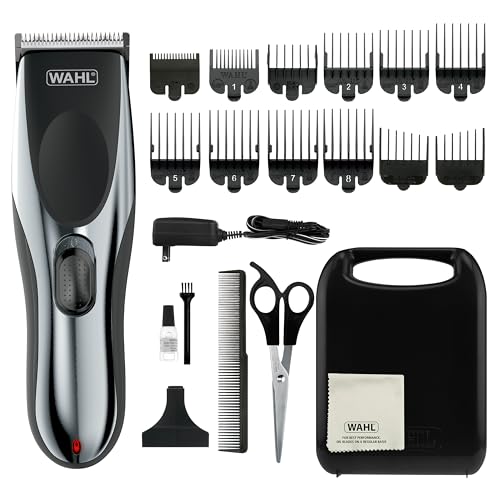
Long Run Time - These clippers feature convenient cord/cordless use options with 60 minutes of cordless run time. Long-lasting easy-to-clean stainless-steel precision blades enable no-snag cutting.
Hair Types Best Suited for Clipper Shaves
Success with clipper shaves depends largely on matching your hair type to the appropriate clipper technique and guard selection. Straight hair advantages include clean, precise cuts using standard guards, making it ideal for sharp fades and angular styles. You’ll achieve uniform length easily with minimal adjustments needed.
Wavy hair techniques benefit from parallel clippers and guards like number 2 or 3, which create textured looks while maintaining natural volume. For curly or coily hair, you’ll need higher guard numbers to account for shrinkage, with T-blade clippers handling coarse textures effectively. Thick hair requires guards of 3 or higher with double clippers for efficient bulk cutting. Fine hair demands careful technique using number 3 guards for fades, preventing over-cutting thin strands. For sensitive skin or grooming on delicate areas, skin-safe grooming tools designed specifically for personal care can provide safer alternatives to standard clippers. The taper lever enables fine-tuning of hair length adjustment to accommodate different hair textures and achieve smooth transitions between varying lengths. For those seeking alternatives to clipper shaves, electric razors offer a different grooming approach with precision cutting capabilities for various hair types and skin sensitivities.
Essential Tools and Equipment You’ll Need
Five core tool categories form the foundation of professional clipper shaving: clippers, trimmers, blades and guards, razors and shavers, and maintenance accessories.
You’ll need quality clippers in both cordless and corded models to handle various hair types and lengths. Your trimmer selection proves critical for precise facial hair shaping and clean lineups. Consider ergonomic designs with powerful motors like Andis Outliners for extended use.
Blade maintenance directly impacts cutting efficiency. You should replace blades regularly and keep them sharp for clean, precise cuts. To maintain optimal blade performance, avoid DIY sharpening methods that can damage the hollow-ground design essential for effective cutting. Maintain various guard sizes to achieve different hair lengths and fade styles. Regular clipper cleaning after every 2-3 uses prevents fungal and bacterial growth while keeping blades sharp and properly aligned.
Incorporate straight razors for neckline definition and electric shavers for detailed finishing work. Additionally, towel warmers enhance the classic shaving experience by providing warm towels that soften facial hair and improve comfort during the shaving process. Finally, gather combs, brushes, cleaning supplies, shaving brushes, neck strips, and disinfectants to guarantee hygiene and extend your tool lifespan.

✂️【Professional Hair Clipper & Trimmer Set】 LQT Men's Professional Hair Clipper Set: The set includes a professional hair clipper, a T-shaped beard trimmer, an electric foil shaver, a nose hair trimmer, the professional hair clipper comes with 4 size-limited combs (1.5/3/4.5/6mm), the T-shaped beard trimmer has 4 size-limited combs (1.5/2/3/4mm), 2 USB charging cables, a haircutting cloth and a haircutting comb, as well as two cleaning brushes, which is suitable for home haircuts.

Men's Grooming Kit: This professional hair clipper set includes a hair clipper, T-blade beard trimmer, foil shaver, and nose hair trimmer, delivering barber-shop quality results in the comfort of your own home. The premium storage case makes it ideal for travel, the perfect gift for men, and an essential personal care item.

Travel Toiletry Bag Size & Usage:The toiletries bag measures 8.3"L x 2.8"W x 5.9"H (21 x 7 x 15 cm).Its compact size fits seamlessly into backpacks or TSA-approved luggage,making it ideal for short trips or business travel.Spacious enough to hold men’s shaving kits,women’s cosmetics,and all travel essentials
Step-by-Step Process for a Professional Clipper Shave
Mastering the clipper shave requires methodical preparation before you ever engage the blade. You’ll wash and condition your hair, then dry it completely for peak clipper performance. Trim excessively long hair first to prevent clogging, then oil your clipper blades using the 5-point technique. Like eyebrow trimming, working with dry hair ensures optimal tool performance and prevents uneven results.
Begin on the sides with the lowest guard number, moving upwards in steady strokes while tilting the blade for an even fade. Work the back systematically from neckline upward, using a mirror to monitor progress. Blend the top section by lifting hair with a comb and running clippers across the teeth in small sections. Avoid cutting wet hair to ensure the clippers function optimally and deliver clean, even results. For the sharpest lines and professional results, consider investing in zero gap trimmers that cut at precise depths for enhanced edge definition.
These clipper techniques guarantee proper hair maintenance and seamless shifts. Finally, check overall evenness, trim sideburns and edges, then wipe away excess oil.

Premium Titanium Blades: Mens hair clippers designed for smooth, quick, and precise clipping performance on all types of hair with high quality long lasting high-carbon enhanced self-sharpening precision premium titanium stainless T-blades, The tip part adopts safe R outlineing obtuse angle design, the professional edgers clippers satisfy any styling needs,such as lining, sculpt contours, and dry shaving.

【 SUPREME TRIMMER FOR MEN 】T Shaper Trimmer is a High performance Cord/Cordless Trimmer for use on Head, Beard, Body, Mustache & All hair Types. A professional & Affordable Barber Trimmer to solve your Grooming needs. All in One Trimmer

CUTTING-EDGE "DLC" BLADE: Our hair liner features the latest Diamond-Like Carbon (DLC) coated blades which triples sharpness, accuracy, and durability for anti-jam+zero-pull cutting through dense hair. Engineered for corrosion resistance and reduced friction, the blades stay significantly cooler during use. Combined, these features transform grooming into a supremely comfortable luxury ritual.
Common Clipper Shave Mistakes to Avoid
Even with proper technique, you’ll encounter common pitfalls that undermine your clipper shave results. Neglecting clipper maintenance causes dull blades that pull hair and overheat, compromising cut quality. You’ll need consistent lubrication and regular cleaning to prevent premature wear. Similar to electric razors, applying lubricant oil after cleaning helps maintain blade performance and extends tool longevity.
Misusing guard sizes severely impacts your work. Long guards (#6-8) prevent effective fading techniques, while single-guard approaches ignore necessary length variations across different hair densities. Forcing guards through tangled hair damages both tool and hair.
Incorrect cutting direction creates uneven coverage and patches. You must follow hair growth patterns and adjust your taper lever for proper blending. Inconsistency in your approach can be mitigated by studying hair growth patterns unique to each client before beginning. Just as blade performance varies by skin type in safety razoring, clipper results depend heavily on understanding your client’s individual hair characteristics. Inconsistent pressure produces patchy results, and cutting wet hair causes shrinkage inaccuracies.
Tilting clippers during lining creates saw-like scraping, while insufficient blend width hinders gradual changes between lengths.
Mastering Clipper Over Comb and Fade Techniques
Now that you’ve built a solid foundation with proper maintenance and technique fundamentals, clipper over comb work takes your cutting precision to the next level. Master comb positioning by holding it at an angle rather than flush against the scalp—this prevents over-cutting and creates controlled tapering. Your clipper techniques improve through notch-by-notch guard progression, ensuring gradual fade shifts. Angle your comb away from the scalp during blending passes, allowing you to cut protruding hair without catching already-shortened sections. Move the comb upward along the head’s contours, scooping hair at consistent angles for smooth, blended finishes. Use smaller combs for detail work near ears and curved surfaces, while larger combs manage greater hair volumes. For optimal results, ensure proper comb attachment by aligning tabs and snapping into place before beginning your cutting session. Regular clipper-specific oil application keeps your blades smooth and prevents pulling during these precise cutting movements. The sideways cutting motion is particularly effective for bulk removal before transitioning to upward strokes for line elimination. Mirror checks during cutting refine corners and eliminate bulk effectively.

HAIR STYLING TOOL: This Flat Top Clipper comb is a must-have accessory found in salons and barber shops, as part of every professional hairdresser and barber kit

Seamless Home Fading:Achieve salon quality hair fading with this curved and flat barber comb set designed for easy home haircut tools. This 2pcs fade comb set provides a reliable hair cutting guide tool for active men who want quick hair trimming at home. Whether you seek a classic self fade tool or a complete hair fader tool for men, this set delivers. The dual design includes a curved fade comb for mens haircut and a flat top comb, allowing seamless transitions. No more expensive salon visits when you can manage your hair cutting tool needs with confidence in your own bathroom.

Quantity: 3 pieces barber black clipper combs can meet most of your styling needs
Creating Sharp Lines and Precision Details
Sharp lines and precision details separate polished cuts from mediocre ones, requiring you to master blade positioning, deliberate stroke techniques, and strategic tool selection. You’ll achieve crisp line techniques by leveraging the corner of your blade for targeted edge detailing around hairlines and sideburns. Position your clippers at angles that prevent harsh demarcations, using steady wrist flicks at fade shifts. Deploy trimmers and smaller edgers to refine ears and neckline areas with accuracy. Your edge detailing improves dramatically when you inspect work from multiple angles, catching uneven patches before completing the cut. Light touches protect fine hair types while maintaining definition. Mirror checks verify that hairlines and sideburns display the sharpness clients expect from quality work. For sensitive facial areas like the neck and jawline, specialized grooming tools with SkinSafe blades minimize irritation while delivering the precision needed for clean, defined edges. Professional clippers with zero-gapped surgical blades provide the precision necessary for creating sharp definition on all hair types. Ergonomic designs in your clipper selection reduce hand fatigue and enhance control during these intricate detailing moments.
Keeping Your Clippers Sharp and Ready
Because precision cutting depends on well-maintained equipment, you’ll need to establish a consistent maintenance routine that protects your blades’ cutting edge and extends their lifespan. Clean your clippers after every client using blade cleaning techniques like brushing out hair and debris with a stiff brush, then spraying with clipper-specific disinfectant. Apply one drop of clipper oil to the center and each end of your top blade, plus periodic drops to your bottom blade’s heel. Turn clippers on briefly to distribute oil evenly. Use manufacturer-recommended clipper oils like Wahl Premium Blade Oil or Andis Clipper Oil, which reduce friction and resist heat from high-speed blades. These clipper maintenance tips prevent dulling and rust. Deep clean weekly using diluted isopropyl alcohol on detachable blades to remove product buildup. For optimal sharpness, glide each blade across a sharpening stone at the original cutting angle for several passes on each side. Replace dull blades promptly and listen for noise changes indicating maintenance needs. Regular inspections can catch issues early and prolong the overall functionality of your tools. Maintaining sharp, ready clippers guarantees consistent cutting quality.

HONING SOLUTION – Smith’s Honing Solution features built-in stone cleaning agents and rust corrosion inhibitors and it can be used on all sharpening stones. This non-petroleum-based honing oil will prevent your sharpening stones from clogging.

Knife Sharpener Stone Sharpening Oil to be used with your favorite sharpening system and Oil Stone to revitalize, maintain and preserve your tools, kitchen knives, utility knife and more
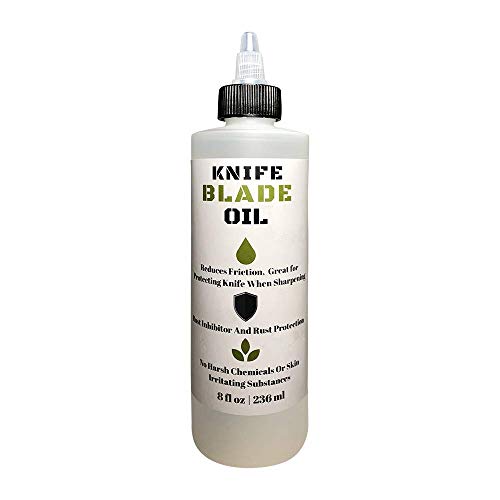
NATURAL & SAFE: Our Knife Blade oil is composed of 100% natural food-safe ingredients to provide worry-free use. While also providing superior protection for kitchen knives, pocket knives, and more
Hairstyles That Rely on Clipper Work
Your well-maintained clippers become most valuable when you’re executing the diverse hairstyles that showcase their precision and versatility. From classic crew cuts to fade styles, clipper styles accommodate various preferences and hair types effectively.
You’ll find crew cut variations like the quiff, undercut, and spiky versions suit different aesthetic goals. Each requires specific techniques—blow-drying, texturizing with clay, or defining curls with cream products.
Fade and undercut styles demand progressive guard blending. You shift from longer lengths to skin fades, creating sharp contrasts that define modern barbering. Women’s clipper hairstyles range from one-length cuts to soft buzzcuts and blunt bobs. Investing in proper hair cutting tools ensures you achieve professional-looking results when executing these diverse styles.
Classic options include brush cuts, Caesar haircuts, and pompadours. For textured or braided styles, you’ll reverse clipper directions carefully to maintain neatness. Electric shavers with rotary blade systems offer an alternative approach to traditional clipper maintenance for users seeking different cutting mechanisms. Like safety razor blades, clipper blades require regular maintenance and replacement to ensure optimal cutting performance and prevent tugging or irritation. Mastering these clipper styles elevates your barbering capabilities across all hair types.