You can fix most hair clipper problems by diagnosing the root cause. Start by cleaning accumulated hair and debris with a brush, then apply clipper oil to prevent overheating. If blades are dull, sharpen them using a 4000-6000 grit honing stone at a 30-45° angle. Check blade alignment—upper teeth should sit 1/32″ to 1/16″ back—and maintain proper spacing to avoid skin pinching. For persistent issues, weigh repair costs against replacement before investing further.
Identify Your Clipper’s Specific Issue
Before you’ll need to pinpoint what’s actually wrong with your clippers. Start by observing the specific symptoms you’re experiencing. If your blades aren’t cutting properly, you’re likely dealing with dullness, incorrect tension, or wear. Listen for grinding noises, which indicate worn blades or a tight clipper head. Notice whether your clippers overheat during use—this typically stems from inadequate lubrication or friction buildup. If your clippers won’t start, check the power supply and battery condition first. These clipper issues help you narrow down which common repairs you’ll need. Document when problems occur and what you’re cutting to understand whether wear or maintenance failure caused the malfunction. Regular maintenance checks can prevent unnecessary downtime and extend your clipper’s lifespan. Implementing a consistent cleaning routine with blade wash solution or disinfectants after every 2-3 uses will help identify potential issues before they become serious problems. Applying clipper-specific oil before or after each use reduces friction and prevents the overheating issues that often signal underlying problems. This systematic approach prevents unnecessary part replacement and saves time.

Rust Prevention – Prevents rust from forming & helps extend the life of the clipper & blades; can also reduce the likelihood of blades becoming dull

Rust Prevention – Prevents rust from forming & helps extend the life of the clipper & blades; can also reduce the likelihood of blades becoming dull
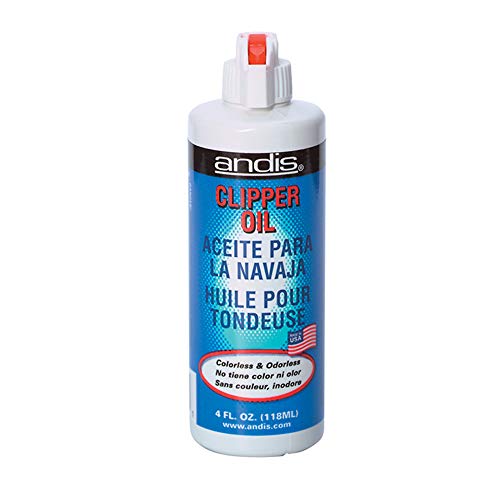
Cutting machine oil to lubricate and clean the blades
Clean Your Clippers to Fix Poor Cutting
Cleaning your clippers is often the simplest fix for poor cutting performance, yet it’s frequently overlooked. Hair and debris accumulate in the blade mechanism, causing dullness and inconsistent cuts. Start your clipper maintenance routine by brushing away hair using the supplied brush or a stiff toothbrush. Remove stubborn debris from the blade carriage and housing thoroughly. Next, apply blade cleaning or cooling spray to eliminate embedded dirt. For detachable blades, unscrew and clean separately using appropriate cleaning tools—avoid toothpaste, which damages precision components. Wipe everything dry with a soft cloth to prevent rust and water damage. After cleaning, apply disinfectant spray or lubricating oil to restore cutting efficiency and maintain blade sharpness. Manufacturer-recommended specialized clipper oils like Wahl Premium Blade Oil or Andis Clipper Oil reduce friction and extend blade life when applied properly. For waterproof models, you can rinse with water to ensure all debris is removed, while non-waterproof clippers should be dried completely with tissue or air. This fundamental maintenance step often restores your clippers to peak performance immediately.

5-IN-1 FUNCTIONALITY: Cool Care Plus offers coolant, disinfectant, lubricant, cleaner, and rust prevention in one convenient spray, perfect for clipper maintenance.

Clipper Cool Spray Can: Top-of-the-line product for blade maintenance to help you achieve professional results when you clip, trim, and groom your dogs, cats, horses, livestock, and more

Blade coolant, disinfectant, lubricant, cleaner and rust pre-treatment expertly packaged into a single, convenient aerosol can
Fix Dull Blades by Sharpening or Replacing
When your clippers continue cutting poorly even after thorough cleaning, dull blades are likely the culprit. You’ll need to decide between sharpening or replacing them.
For blade maintenance, sharpening techniques offer a cost-effective solution. Unplug your clippers and carefully remove the blades with a small screwdriver. Using a 4000-6000 grit honing stone, glide each blade across the stone at a 30-45° angle, completing 5-10 passes per side. Apply gentle, even pressure to both top and bottom blade flats. Follow with finer grit sandpaper using a figure-eight motion to polish.
After sharpening, wipe away metal dust, realign blades with a dime-thickness offset gap, and reassemble carefully. Regular maintenance extends tool lifespan and keeps your clippers performing optimally. Maintaining proper airflow and heat control during clipper operation also prevents blade degradation. Professional barbers trust brands like Wahl and Oster clippers for their durability and close-cutting capability. Apply clipper oil and test briefly. If blades remain ineffective, replacement may be necessary.
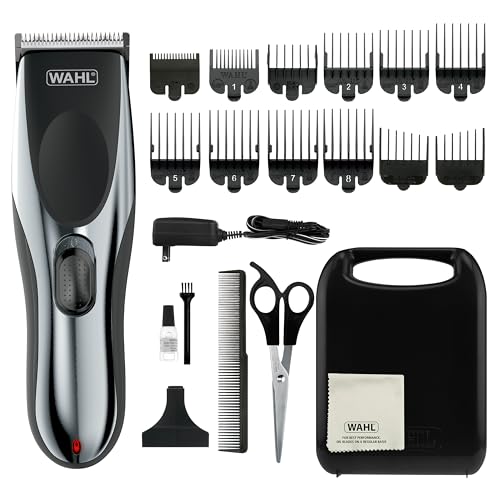
Long Run Time - These clippers feature convenient cord/cordless use options with 60 minutes of cordless run time. Long-lasting easy-to-clean stainless-steel precision blades enable no-snag cutting.

Quick and easy
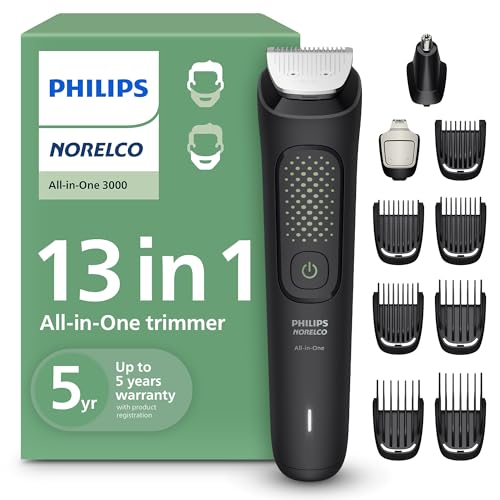
Full Metal Blades: Self-sharpening blades stay as sharp as day one and require no oiling for precise, low-maintenance grooming
Lubricate Blades and Prevent Overheating
Once you’ve sharpened or replaced your blades, proper lubrication becomes your next line of defense against poor clipper performance. Regular oil application keeps your clippers functioning at peak efficiency and extends blade life considerably.
Before each use, brush away loose hair, then apply 2-3 drops of clipper-specific oil to the top blade center and ends. Include the blade corners, foot, and heel periodically for complete blade maintenance. Run the clipper for 5-10 seconds to distribute the lubricant evenly. For optimal results, perform periodic deep cleans to remove hair and debris buildup that can interfere with lubrication effectiveness. Clipper oil is typically petroleum-derived and remains clear and odourless, making it safe for both skin and hair contact. Specialized clipper oils contain mineral oil and corrosion-preventing ingredients to provide optimal protection for your blades.
This oil application technique reduces friction and prevents excessive heat buildup during operation. Wipe away excess oil with a soft cloth, ensuring none enters the motor compartment. Proper lubrication maintains a protective barrier, minimizes wear and corrosion, and produces smoother cutting results while preventing hair tugging.


✅ Extends Blade Life & Prevents Rust: A few drops of hair clipper oil help reduce friction for smooth cutting without pulling or snagging. This electric shaver oil coats moving blade surfaces to help protect against rust and corrosion between cuts while reducing everyday blade wear, extending the lifes of blade.

Product packaging may vary
Adjust Blade Alignment and Spacing
Proper blade alignment and spacing are critical to your clippers’ cutting performance and safety. Start by placing your upper and lower blades side-by-side on a flat surface. Your top blade teeth should point 1/32″ to 1/16″ back—roughly a dime’s width—and remain parallel to the bottom blade.
Position the extreme left tooth of your top blade over the first small tooth or gap of the bottom blade. Maintain that parallel positioning to prevent skin pinching. You’re aiming for a 0.8mm or less gap between blades. Regular alignment checks help prevent uneven cuts and maintain consistent cutting results. Professional clippers like the Wahl Senior feature stagger-tooth blades designed to maintain precise spacing for optimal performance. Keeping your blades clean by rinsing detachable parts under running water will also ensure optimal cutting performance and blade longevity.
For tension adjustment, slightly loosen both blade screws to allow shifting. Use your clipper’s tension adjuster per manufacturer guidelines, then gradually tighten the screws alternately. Recheck alignment after initial tightening to guarantee proper blade positioning.
Should You Repair or Replace Your Clippers?
How do you know when it’s time to invest in new clippers rather than continuing to repair your existing ones? Consider your repair cost against replacement expenses. If repairs exceed 60% of a new unit’s price, replacement makes financial sense. Evaluate longevity factors: clippers over 10 years old showing multiple issues warrant replacement, especially if they need servicing every 3-6 months. Assess performance decline—if your clippers require multiple passes for weekly growth despite blade replacement and full charging, the motor’s deteriorating. Frequent repairs cause downtime that impacts your work quality. However, trusted brands with minor issues like lever or hinge damage benefit from targeted repairs. Just as proper technique is essential for achieving quality results with personal grooming tools, maintaining your clippers with regular care can extend their lifespan. Brands like Wahl offer self-sharpening blades that maintain their cutting performance longer than standard alternatives. Modern tools often come with warranties and customer support that can provide peace of mind throughout the equipment’s lifespan. Weigh your equipment’s reliability against advancement opportunities before deciding.
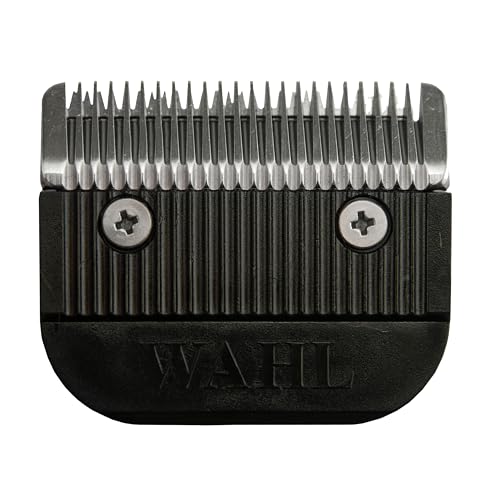
High Quality Precision Ground: These stainless steel precision ground blades are self-sharpening, stay sharper longer vs the competition, and are easy to clean

Universal Compatible: One Universal hair trimmer charger meets a variety of electric hairdressers, Shavers, Razors,Trimmers, beauty instruments and pet hair clippers. Fit for Ceenwes Hair Clippers, Fit for SUPRENT Hair Clippers, Fit for Meridian Trimmer, Fit for oneisall Dog Clippers and some other brand on the market.

6 pack standard size blades replacement in the package,please noted clipper is excluded