Yes, you can safely wax your intimate area when you work with a trained esthetician at a regulated salon. Professional waxing carries minimal risks—temporary redness and irritation are normal responses that resolve quickly. Serious complications like infections are rare in hygienic settings. You’ll achieve smooth results lasting three to six weeks, with improved outcomes over time as hair grows back finer. Understanding proper preparation, pain management, and aftercare guarantees you’ll maximize benefits while minimizing discomfort throughout your grooming journey.
Is Intimate Waxing Safe?
While intimate waxing does carry risks, they’re generally quite low when you work with trained estheticians who follow proper hygiene protocols. Common waxing misconceptions often overstate danger levels, but understanding actual risks helps you make informed decisions.
Safety standards in professional salons greatly reduce complications. You’ll encounter temporary redness and irritation—normal post-procedure responses that subside quickly. Serious complications like infections or burns remain rare in regulated settings. Parental authorization is necessary for clients under 18 to ensure they receive appropriate care and guidance.
However, risks escalate considerably with at-home waxing, where improper heating causes severe thermal injuries. Professional environments use controlled equipment, minimizing burn potential. Studies indicate that approximately 25% of men who groom their pubic hair experience injuries like cuts and burns. Similar to traditional shaving without proper lubrication, at-home hair removal without professional-grade products and training can cause significant skin damage that extends recovery time. Cross-contamination risks disappear when estheticians avoid double-dipping and maintain strict sanitation practices.
Your safety depends on selecting establishments maintaining rigorous hygiene protocols, including gloved application and autoclaved equipment. When you follow pre- and post-care instructions carefully, intimate waxing proves safe and effective.

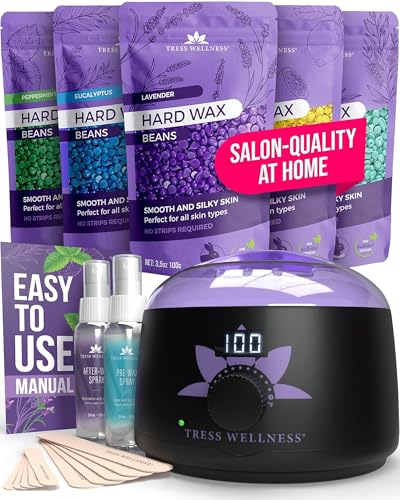
STRIP FREE HARD WAX: Professional salon-quality microwaveable hard wax that needs no strips, giving you smooth, hair-free skin at home with the results you would expect from a salon.
WE'RE FAMOUS! Award-Winning Brand featured on CBS News, ABC, NBC, and Cosmopolitan, and viral on your favorite social media platforms.

NOURIA Pre-Shave Elixir Oil contains HydroLock, meticulously formulated with concerted mix of 12 botanical and organic essence and extracts that are rich in deep-hydrating and long-lasting moisturization properties. It further fortifies your intimate skin for maximum moisture retention and prevents moisture loss. Nourishing areas normally forgotten or unnoticed. It reduces ingrown hair, razor burn, razor bump, itchiness and other irritations commonly associated with shaving.
Your First Appointment: What to Expect in 15 Minutes
When you arrive for your first intimate waxing appointment, you’ll be greeted by your therapist and escorted to a private treatment room where you’ll review your consultation details and confirm your grooming goals. Your therapist will discuss your medical history, skin sensitivities, and any medications affecting your skin’s response to waxing.
During this treatment overview, you’ll receive a thorough explanation of the procedure’s steps and techniques. The therapist will confirm your desired style—full removal or landing strip—and address any concerns about discomfort or hair density. For post-waxing care, plan to apply hydrocortisone or soothing lotions if you experience any rashes or bumps afterward. Similar to how electric shavers are designed to minimize irritation on sensitive skin, quality waxing products are formulated to reduce minimal irritation during and after treatment.
After obtaining your verbal consent, preparation begins with skin cleansing and pre-wax protection. You’ll undress under privacy coverage, and after a brief readiness check, positioning commences. The therapist will ensure hair is at least 1/4 inch long for the waxing to be effective. The therapist applies wax in small sections, working systematically with precise technique. Most first appointments complete within 15-45 minutes depending on your hair density and sensitivity levels.
Does It Hurt? Pain Management Strategies
Now that you understand what happens during your appointment, you’re likely wondering about discomfort levels. Yes, genital waxing involves temporary discomfort, but you can manage it effectively.
Take ibuprofen 30-45 minutes before your appointment to dull nerve sensitivity. Apply numbing creams like No Scream Cream 20-30 minutes prior for additional pain relief. During the procedure, practice deep breathing and exhale when your esthetician pulls the strip—this activates your parasympathetic nervous system and reduces pain perception. Communicate any discomfort to your professional; they’ll adjust techniques accordingly.
After waxing, apply ice packs for 20 minutes and use aloe vera gel for soothing relief. Like maintaining hair clippers with proper disinfection methods, skincare after waxing requires consistent attention to prevent irritation and can contribute to improved scalp health similar to benefits seen with other hair removal methods. Importantly, pain decreases considerably with regular sessions as hair regrows finer and your skin desensitizes. First appointments cause the most discomfort. Consistent waxing every 4-6 weeks weakens hair follicles over time, making subsequent appointments progressively more comfortable as your body adapts to the hair removal process.

Designed for Body Art Application Formulated for tattoo and body art preparation to help maintain a smooth, consistent skin surface during detailed application. Plant-Based...
How to Prepare: Pre-Appointment Essentials
Start with pre wax exfoliation 24 hours before your session to remove dead skin cells and reduce ingrown hair risk. Confirm your hair length reaches at least ¼ inch—approximately grain-of-rice size—for ideal wax grip. Avoid shaving for 2-3 weeks prior to allow sufficient growth.
Shower thoroughly and cleanse the area with mild soap, removing all oils, dirt, and sweat. Pat your skin completely dry, as moisture prevents proper wax adhesion. Many people report that removing body hair through waxing provides increased confidence and a sense of freedom similar to other grooming practices. Just as regular exfoliation benefits facial skin health, exfoliating before waxing helps prevent ingrown hairs and promotes smoother results. On appointment day, skip caffeine and alcohol to minimize sensitivity. Consider taking ibuprofen and antihistamines before your appointment to help alleviate discomfort during the waxing process. Wear loose-fitting cotton clothing to prevent post-wax irritation and friction against the treated area.

【Dual Physical & Chemical Exfoliation】AHA sloughs off dull surface dead skin; oil-soluble BHA unclogs deep pores to dissolve buildup & ingrown hairs. Infused with soft sea salt grains to flaky elbows & knees, revealing instantly silky, smooth body skin

Say Goodbye to Ingrown Hairs: Nude Exfoliating Scrub is a natural sugar body scrub that exfoliates, hydrates, softens, smooths and reduces the appearance of ingrown hairs. It can also help reduce rough, bumpy skin found anywhere on the body, including your most sensitive areas. Nude is our signature barely-there tea tree scent that leaves the skin feeling clean and smelling fresh.

EXFOLIATING & MOISTURIZING FACIAL & BODY SCRUB: Our Brown Sugar Body and Face Scrub is a gentle sugar exfoliator and moisturizer. With only pure, natural ingredients, it removes dead skin and moisturizes to reveal a fresher, healthier complexion.
The First 24 Hours: Recovery and Aftercare
Your skin’s inflammatory response begins immediately after waxing, as histamine, prostaglandins, and cytokines trigger swelling, redness, and itching—a necessary cascade that delivers immune cells and increases circulation for cellular repair. However, you’ll need strategic aftercare tips to prevent this response from overstaying its welcome.
Your key recovery strategies involve temperature control and friction avoidance. Skip intense workouts, hot showers, and saunas for 24 to 48 hours, as heat opens pores and intensifies sensitivity. Wear loose-fitting clothing to minimize irritation. Apply cool compresses for relief—most men experience significant calming within 20 minutes. If you prefer to avoid waxing altogether, pubic hair trimmers offer a gentler alternative for grooming sensitive areas. Consistent water intake supports your body’s ability to flush out irritants through the lymphatic system and aids in nutrient transport for cellular repair.
Hydrate generously and use gentle moisturizers containing aloe vera or chamomile, as these ingredients are proven to soothe irritated skin similar to skin-safe moisturizing products recommended for sensitive grooming applications. Avoid pools, hot tubs, and direct sun exposure during this vulnerable window. Your skin barrier repairs within 24 to 48 hours with proper care.

Made Within 12 Hours of Harvest: At Aloderma, our skincare is rooted in the earth. Our Aloe is processed on-site and turned into final products within hours of leaving the fields to ensure that we capture the natural power of Aloe Vera in every product we make. Aloderma has over 20 years of working with Aloe providing high quality and affordable products for beauty, health and wellness.

Made from fresh Aloe Vera leaves, no fragrance or color added

[HYDRATING ALOE VERA GEL] A refreshing aloe vera gel that delivers lightweight hydration to help keep skin feeling soft, smooth, and comfortably moisturized without a heavy or greasy feel.
How Long Do Results Last Between Appointments?
After completing your first male Brazilian wax, you’ll enjoy complete smoothness for approximately three to six weeks, though the timeline varies based on your individual hair growth rate, hormonal levels, and genetics. During weeks one and two, you’ll experience zero visible growth. Fine, soft regrowth becomes noticeable by weeks three and four, remaining sparse and barely perceptible. By weeks five and six, hair density increases considerably, signaling time for your next appointment.
Schedule maintenance every four to six weeks, with week five representing the ideal timeframe. Hair must reach approximately one-quarter inch for effective waxing. With consistent treatment, regrowth patterns improve progressively—hair emerges softer and finer with each session as follicles weaken. This cumulative benefit extends smoothness periods beyond initial estimates, delivering increasingly longer-lasting results over time. Many men find that maintaining a smooth appearance through regular waxing provides the same confidence and style benefits associated with other grooming choices. To maximize the longevity of your waxing results between appointments, implement a proper aftercare routine that includes exfoliating 2-3 times weekly to prevent ingrown hairs and promote even regrowth. Additionally, applying a sensitive non-lathering moisturizer after exfoliation helps maintain skin health and comfort in this delicate area.
Why Results Improve Over Time
As you continue regular waxing appointments, you’ll notice that each session delivers progressively better results—not because your skin’s adapting, but because the repeated root removal actively weakens your hair follicles over time. With consistent 4-6 week intervals, follicle weakening disrupts your natural growth cycle, causing several beneficial changes. Your regrowth emerges noticeably finer and softer with each appointment. Hair density decreases substantially, creating sparser coverage patterns. Smoothness duration extends progressively—you’ll experience 57% longer hair-free periods compared to initial sessions. These long term benefits accumulate as weakened follicles produce diminished growth capacity. Eventually, you’ll achieve extended results beyond typical 3-6 week intervals, making maintenance increasingly efficient. For those seeking convenient grooming alternatives, electric shavers offer a complementary approach to maintaining your desired appearance between waxing sessions. The best portable travel shavers feature long battery life and waterproofing capabilities, ensuring you can maintain your grooming routine whether at home or on the go. Each subsequent wax becomes easier due to compromised follicle strength and reduced hair coarseness. Over time, finer, slower-growing hair with regular waxing means you’ll require less frequent touch-ups to maintain your desired grooming results.
Ingrown Hair Prevention: Exfoliation and Maintenance
While consistent waxing progressively weakens hair follicles and improves results over time, you’ll still need to actively prevent ingrown hairs during the regrowth phase. Begin exfoliation techniques two days before your appointment and continue for three days after to remove dead skin cells that trap emerging hairs.
Use gentle exfoliation methods like a soft washcloth in circular motions or chemical exfoliants containing salicylic acid. These ingrown hair remedies work by softening your skin barrier and preventing hair entrapment. For optimal results, hold exfoliation tools at a 30-degree angle similar to proper shaving technique to avoid skin irritation. Apply mild, soothing products with aloe-infused formulas post-wax to minimize irritation. Professional estheticians recommend specialized aftercare products designed specifically for sensitive male skin to enhance healing and reduce complications.
Maintain daily moisturizing with body oil or lotion applied to damp skin. Avoid tight clothing and strenuous exercise for 24-48 hours following treatment. This all-encompassing approach greatly reduces ingrown hair occurrence while supporting ideal skin health.

Our face scrub helps unclogs pores and contains 1 percent salicylic acid which helps to clear blackheads and calm redness

GENTLE NON-ABRASIVE LEAVE-ON EXFOLIANT: With 2% BHA (Beta hydroxy acid), to unclog & diminish enlarged pores, exfoliate dead skin cells, smooth wrinkles, and brighten and even out skin tone. Combats redness, wrinkles, aging, enlarged pores, and blackheads.

[ BLACKHEAD REMOVER SERUM ]: 2% BHA that penetrates deep into pore lining to dissolve dirt, oil, and sebum for visibly clear and smooth skin
When to Skip Waxing: Health Conditions to Know
Knowing when to postpone waxing is just as important as mastering proper technique, since certain health conditions can make the procedure unsafe or lead to serious complications. You’ll want to skip waxing if you have active skin conditions like rosacea, eczema, or psoriasis, which compromise your skin barrier and increase injury risk. Immunocompromised states, autoimmune diseases, and conditions like diabetes slow healing and elevate infection dangers. Blood thinners and medications such as Accutane or Retin-A create waxing contraindications due to skin sensitivity and delayed recovery. Additionally, avoid waxing during active infections, recent cosmetic procedures, sunburns, or after cancer treatments without medical clearance. To minimize complications, consider using specialized manscaping devices as a safer alternative to waxing if you have sensitive skin or mild skin conditions. For those seeking alternatives with proven performance and comfort benefits, electric shavers offer a gentler option that avoids the trauma associated with waxing. With age, collagen production decreases, causing skin to thin and making you more susceptible to bruising and sensitivity during waxing. Consult your doctor before proceeding if you’re uncertain about your health status or current medications.
Who Benefits Most: Athletes, Models, and Active Professionals
Whether you’re competing at elite levels or maintaining a professional appearance, waxing offers distinct advantages that extend beyond basic grooming. If you’re a swimmer or cyclist, you’ll experience reduced water and friction resistance, directly enhancing athletic performance. Runners benefit from decreased skin irritation and improved body hygiene by eliminating sweat-trapping hair. For models and bodybuilders, waxing showcases muscle definition while preventing ingrown hairs that compromise skin clarity during photoshoots and competitions. The extended smoothness—lasting 2-6 weeks—eliminates daily maintenance, allowing you to focus on training rather than grooming. Professional waxing provides superior results compared to shaving, supporting your body hygiene standards while facilitating tape application for injury treatment. Additionally, exfoliating dead skin cells during the waxing process rejuvenates the genital area and promotes healthier skin overall. Like neck shaving, proper preparation with clean, softened skin ensures optimal results and minimizes irritation during the waxing process. Many men are shifting toward low-maintenance trimming as a gentler alternative that maintains natural protection while reducing irritation and ingrown hairs. Whether your priority is competitive advantage or aesthetic presentation, waxing delivers practical benefits tailored to active professionals.