Your shaved head will regrow stubble within 1-2 days as active follicles resume the anagen phase of your hair growth cycle. You’ll notice approximately 1-1.5 centimeters of monthly growth, meaning you’re looking at 3-6 months for noticeable length. However, your regrowth timeline isn’t fixed—it depends on genetics, hormonal balance, nutrition, and stress levels. Understanding what actually influences this process reveals why common myths about faster regrowth don’t hold up scientifically.
Hair Regrowth Timeline: Weeks to Months After Shaving
When you shave your head, you’re removing only the hair shaft above the skin’s surface—the follicle beneath remains active and undisturbed. This means regrowth begins immediately, with stubble appearing within 1-2 days. Understanding realistic growth expectations helps you plan your hair care routine effectively. A common misconception is that shaving affects regrowth speed, but the rate and thickness of your hair’s return depend on genetics, hormones, and overall health rather than shaving frequency. To minimize irritation during the regrowth phase, post-shave moisturizing and proper scalp care are essential for maintaining comfort as your hair returns. Research shows that shaved heads are perceived as more confident and dominant, which can motivate many people to maintain this bold style choice during their regrowth phase.
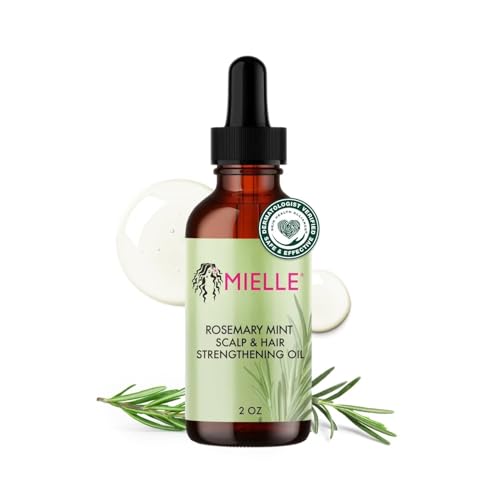
Award-Winning Treatment - Our Rosemary Mint Scalp and Hair Oil is a nutrient-rich, intensive formula that blends biotin, mint, and essential oils including castor, tea tree, jojoba, coconut, and peppermint oil. This nourishing treatment supports a dry scalp and helps fortify strands from root to tip.
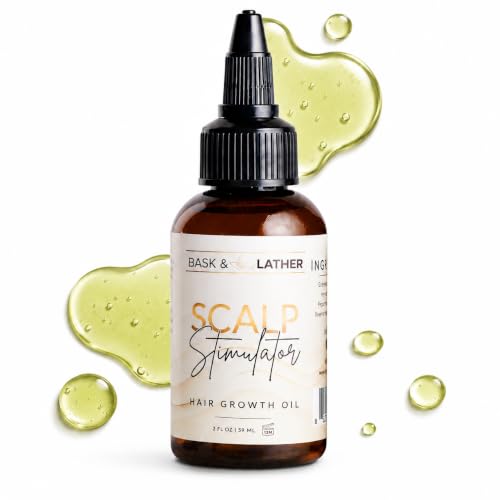
HAIR CARE OIL: Elevate your routine with Bask and Lather Hair Growth Oil, designed to help with hair thickness by activating and expanding the cells within your hair follicles. This stimulation encourages the production of thicker hair. Pair it with a scalp massager to enhance stimulation beneath the skin, helping to promote new hair growth.

TARGETED SCALP CARE: This Bask and Lather hair balm is crafted to moisturize and comfort the scalp while addressing dryness. Shea Butter helps to smooth and nourish hair strands, for a natural, vibrant shine and helps manage the appearance of frizz for a refreshed look. For natural hair, first spray Hydrating Mist and then apply the balm to your hair strands. The balm can also be applied to your scalp to support scalp care and hydration.
Why Your Hair Doesn’t Grow Faster After Shaving
Despite decades of scientific debunking dating back to the 1920s, the myth that shaving accelerates hair growth persists—largely because your sensory perception doesn’t align with biological reality. You’re experiencing visual illusions, not actual biological changes.
When you shave, you’re cutting only the hair above your skin’s surface. Your living follicles remain completely untouched, following their genetic blueprint regardless of razor use. Growth rate, density, and color are determined solely by follicle characteristics—factors shaving cannot alter. Using a single sharp blade can minimize skin irritation and provide cleaner cuts compared to multi-blade systems.
The shaving misconceptions surrounding hair thickness stem from temporary texture differences. Blunt-ended stubble feels coarser than tapered tips, and undamaged regrowth appears darker initially. These sensory differences fade as hair lengthens. Proper beard care routines, such as regular trimming to prevent split ends and breakage, truly influence hair health and fullness. Hormonal balance and nutritional health also play critical roles in determining your actual hair characteristics independent of shaving practices. Mayo Clinic and multiple scientific analyses confirm: no change occurs in thickness, color, or growth rate post-shaving.
The Hair Growth Cycle Explained
Your hair’s growth isn’t continuous—it’s governed by a cyclical process that repeats throughout your lifetime, with each follicle independently progressing through four distinct phases. During anagen, the active growth phase lasting 2 to 8 years, your hair grows approximately 1-1.5 cm monthly while 85-90% of scalp hairs remain in this stage. The brief catagen phase follows, lasting 1-3 weeks as your follicle shrinks and detaches from its blood supply. Next, telogen—a 2-4 month resting period—prepares your scalp for renewal. Finally, exogen releases old hair as new growth phases begin. This hair cycle repeats 10-30 times per follicle’s lifetime. Because your growth phases occur asynchronously across follicles, you maintain consistent hair density without bald patches, shedding 100-150 hairs daily. For those seeking temporary hair removal during regrowth, methods like trimming with disinfected scissors offer quick alternatives to maintain your desired appearance. Proper hair grooming and care during regrowth can help maintain scalp health and optimize your hair’s appearance as it returns. Genetic makeup influences the length and characteristics of each phase, which is why hair regrowth timelines vary significantly between individuals.
Genetics, Hormones, and Diet: What Actually Controls Speed
Because hair regrowth speed varies dramatically between individuals, understanding the biological mechanisms behind these differences proves essential—and genetics, hormones, and diet form the triumvirate controlling how quickly your hair grows back.
Your genetic variations establish baseline growth capacity, with scalp follicles influenced by inherited traits determining your anagen phase duration of 2-6 years. This genetic foundation controls approximately 85-95% of your growth rate consistency.
Hormonal interactions considerably modulate this genetic potential. Thyroid hormones, androgens, and estrogen regulate anagen phase length and follicle cycling speed. Stress hormones can prematurely push follicles into telogen, delaying regrowth. High stress levels can trigger telogen effluvium, resulting in increased hair shedding that temporarily slows visible regrowth progress. Similar to how proper grooming technique relies on minimal pressure, maintaining low stress levels prevents unnecessary follicle disruption.
Your nutritional balance completes this system. Iron deficiencies impair thyroid function, while zinc affects androgen balance and growth signaling. Vitamin D influences hormone receptor activity in follicles, optimizing your overall growth rate.

HAIR GROWTH PRODUCTS: We've formulated a multivitamin for women not only to support your daily wellness, but also to support your hair growth as well and skin health. Lustriva is clinically shown in women to help grow thicker, fuller hair in as early as 3 weeks with continued usage at 1 serving per day! This bottle provides 15 servings

Biotin, Collagen & Keratin — a beauty multicomplex featuring Biotin, Collagen, Keratin, Hyaluronic Acid, Vitamin B-complex, Vitamins A & E, and natural botanical extracts. Each serving is designed to provide well-rounded nutritional support to complement your beauty routine.

Natural Hair, Skin, and Nail Supplement - Treat your hair, skin, and nails to the nutritional support you need to shine! Nutrition plays a vital role in fueling a flawless beauty routine. However, nutritional excellence is hard to achieve from just foods alone. A daily dose of our proprietary formula can help supply your body with key nutrients to fill in nutritional gaps not provided by your diet and may address healthier Hair, Skin and Nails
Nutrients and Lifestyle Factors That Support Growth
While genetics and hormones establish your growth potential, optimizing nutrient intake and lifestyle habits directly accelerates how quickly your shaved head regenerates. You’ll need protein-rich nutrient sources like eggs, lean meats, and shrimp to support keratin formation and hair structure. Iron from spinach and red meat facilitates oxygen delivery to follicles, while omega-3 fatty acids from salmon reduce inflammation affecting growth. Zinc and selenium from oysters and nuts strengthen follicle function and prevent deficiency-related loss. Vitamins A, C, and E from sweet potatoes, berries, and avocados enhance scalp health and collagen synthesis. Just as maintaining scalp health through regular brushing and exfoliation promotes optimal conditions for hair growth, consistent grooming practices remove dead skin cells and improve circulation to follicles. For head shaving specifically, using tools with full hollow grind designs can minimize scalp irritation during the shaving process, which supports better conditions for subsequent regrowth cycles. Implementing lifestyle changes including consistent nutrient intake, stress management, and adequate sleep optimizes cellular regeneration, directly supporting faster regrowth cycles. Adequate water intake is vital for maintaining proper hydration throughout your body, which directly supports the moisture levels necessary for optimal hair growth and scalp health.

Natural Hair, Skin, and Nail Supplement - Treat your hair, skin, and nails to the nutritional support you need to shine! Nutrition plays a vital role in fueling a flawless beauty routine. However, nutritional excellence is hard to achieve from just foods alone. A daily dose of our proprietary formula can help supply your body with key nutrients to fill in nutritional gaps not provided by your diet and address hair loss, brittle nails, and dry skin.

Hair Growth Vitamins for Women with Biotin 5000mcg – This advanced 20+ nutrient hair growth complex delivers Biotin, Saw Palmetto, Hydrolyzed Marine Collagen, and Keratin as daily hair growth supplements for women. Each bottle provides 90 hair growth capsules for a full 30-day supply. A complete vitamin for hair loss and thinning support, formulated as a natural hair thickening support supplement for women.

CLINICALLY SHOWN RESULTS (1): Experience thicker, fuller hair in just three months with our Optimal Solutions Hair Growth supplement; providing structural support for existing hair growth for noticeable improvement (1)
Why Regrowth “Boosters” Don’t Work (and What Actually Helps)
The supplement industry markets countless hair-growth products with compelling claims, yet most lack rigorous scientific validation supporting their efficacy for regrowing hair after shaving. Biotin myths persist despite evidence showing biotin supplements only benefit deficient patients—not healthy individuals. Collagen effects remain inconclusive for promoting new growth, though they may marginally improve existing hair quality. Multi-ingredient products like NutraFol show modest shedding reduction in limited studies, but they don’t match finasteride’s 90% effectiveness or minoxidil’s proven results. Laser devices lack sufficient evidence entirely.
If you’re serious about regrowth, finasteride and minoxidil represent your evidence-based options. These FDA-approved treatments demonstrate measurable clinical outcomes. For those with coarse or curly hair prone to irritation, incorporating single-blade razors into your shaving routine can help minimize ingrown hairs during the regrowth process. Most men find that starting with a #2-#4 guard range allows for optimal regrowth observation while maintaining a neat appearance during the transition period. Emerging research on 2-deoxy-D-ribose suggests potential new alternatives that may offer comparable effectiveness with fewer side effects, though human trials are still in early stages. Skip the boosters marketing empty promises—invest in scientifically validated interventions instead.

Clinically Proven to Stimulate Hair Growth: Our 5% Minoxidil and Rosemary formula is clinically proven to reactivate hair follicles, encouraging denser and healthier hair growth in men and women. 5% Minoxidil remains the #1 dermatologist-recommended ingredient against hair loss

Scientific research on hair loss has shown that the number one factor in hair loss is the production of dihydrotestosterone or DHT. Finanutride natural hair loss supplements revolutionary formula contains clinically proven DHT blockers that work synergistically to stop hair loss and help regrow and thicken hair. Works for both men and women!

Men's Hair Care: hims Hair Regrowth Treatment is a minoxidil 5% topical solution and an easy-to-use hair loss treatment*