You’ll enhance partner satisfaction by trimming rather than completely shaving your testicles, since 70% of women prefer a trimmed appearance. Trimming minimizes injury risk while maintaining a groomed look that boosts sexual confidence. Complete hair removal increases irritation and ingrown hair likelihood on this sensitive area. Balancing aesthetics with safety means choosing trimming as your primary grooming method. Understanding the full scope of proper technique, frequency, and aftercare can greatly improve your results.
Shaving vs. Trimming: What Works Best
Why do some men swear by the razor while others reach for the trimmer? The answer lies in balancing safety against smoothness.
Trimming techniques offer you lower injury risk and suit sensitive skin better. You’ll experience less irritation and razor burn since hair remains partially rooted. However, you’ll need frequent touch-ups because regrowth happens faster, and you won’t achieve complete baldness. Specialized tools like skin-friendly trimmers are designed specifically to minimize irritation on delicate genital areas.
Shaving options deliver smoother results and longer-lasting effects by removing hair at the surface. You’ll enjoy improved hygiene and enhanced aesthetic appeal. The tradeoff? You face higher cut risks, ingrown hairs, and potential itchiness during regrowth. Many men find that adjustable length settings on modern trimmers provide the flexibility to customize their grooming results without committing to a full shave. For those seeking longer-lasting alternatives to frequent trimming, laser hair removal offers semi-permanent reduction when performed by professionals who can safely handle sensitive genital skin.
Your choice depends on skin sensitivity and maintenance commitment. Consider trimming first before attempting shaving if you’re new to genital grooming. Consistency across body areas yields superior results regardless of method selection.

OneBlade Technology: Fast-moving cutter (100x per second) powers through hair of any length; protector and rounded tips guard sensitive skin

【1. 3-in-1 Trimmer for Face, Body & Bikini – Full Coverage Grooming】 Electric bikini trimmer for women with 3 interchangeable heads and 4 combs (3/6/9/12mm) for trimming bikini line, pubic hair, face, and body. One tool for armpits, arms, and legs with precision & control

[SKIN-FRIENDLY CERAMIC BLADE] Equipped with precision-engineered, rounded R-angle ceramic teeth to significantly reduce pulling, nicks, and irritation. Enjoy a smoother, safer, and more comfortable manscaping experience, even on your most sensitive areas.
Safe Grooming Techniques for Men
Whether you’ve chosen trimming or shaving, proper technique minimizes injury risk and irritation. Start by pulling skin taut and using short, light strokes in the direction of hair growth. This approach reduces razor burn and prevents ingrown hairs. Apply minimal pressure with your grooming tools, letting the blade do the work rather than forcing it.
Rinse your trimmer frequently to avoid clogs. For shaving, reapply shaving cream or gel as needed to maintain skin protection. Given the area’s skin sensitivity, stretch skin firmly while shaving to capture all hairs without requiring repeated passes. A 30-degree angle with light pressure is optimal for minimizing skin irritation. Avoid shaving over broken skin or during infections. After grooming, rinse thoroughly and apply unscented moisturizer or aloe vera gel to soothe irritated skin. Help your skin retain moisture by choosing suitable moisturizers specifically formulated for sensitive areas post-grooming.

INFUSED WITH ALOE: Gillette Sensitive Shaving Gel infused with aloe helps soothe skin during shaving

DYE AND FRANGRANCE FREE: this shaving gel for women is specially designed for sensitive skin, made without elements that can irritate skin, like dyes and fragrances

Formulated with soothing aloe vera to calm and moisturize sensitive skin
Common Mistakes to Avoid
Because proper technique alone doesn’t guarantee safety, you’ll want to avoid several common mistakes that greatly increase your grooming injury risk. First, maintain rigorous razor maintenance—dull or rusty blades substantially elevate infection likelihood and cutting risk. Second, moderate your grooming frequency; men removing all pubic hair 11+ times lifetime demonstrate 1.97x increased injury risk, while repeated high-frequency complete removal correlates with 3.89x greater repeated injury risk.
Third, never skip essential preparation steps. Wash the area thoroughly beforehand, apply shaving cream, and exfoliate 48 hours post-grooming to prevent ingrown hairs. Proper genital hygiene prevents bacterial infections that can develop from grooming-related microtears. Consider using body trimmers with guards rather than foil shavers, as they are safer for coarse, curly hair and contoured skin. Devices like the Philips Norelco Bodygroom 7000 offer flexible hybrid heads and nick-free performance specifically designed for sensitive areas. Fourth, avoid shaving against hair growth direction, which maximizes skin irritation and damage. Finally, don’t use inappropriate tools—kitchen scissors cause documented genital injuries. Invest in proper grooming instruments designed specifically for this sensitive area.
What Partners Actually Prefer
Men and women demonstrate distinctly different grooming preferences, with considerable gender divergence in expectations. Women overwhelmingly favor trimming over complete removal—24% desire full shaving while 70% expect only a trim. Men, conversely, show stronger preference for complete hair removal on partners, with 46% wanting partners completely bare.
Your partner’s grooming expectations greatly influence intimate experiences. Trimming the scrotum area emerges as the best compromise, balancing aesthetic appeal with comfort. Significantly, 73% of men aged 25-34 groom this area before sexual activity, suggesting partner expectations drive grooming decisions. Beyond partner preferences, personal comfort and hygiene serve as primary motivations for grooming choices among most individuals. For precise trimming work in sensitive areas, professional-grade trimming tools designed for detailed edge work can help achieve clean, defined results. Grooming also provides increased sexual sensitivity and pleasure through greater exposure of the skin to touch and stimulation.
Understanding these partner expectations matters: 20% of women avoid dating partners with ungroomed pubic hair, while over 50% of women groom before intercourse for partner appeal. Meeting grooming preferences enhances relationship satisfaction and sexual confidence.

Rechargeable Beard Trimmer - Groomsman is a rechargeable unit that allows for up to 60 minutes of run time on a single charge and features a contoured ergonomic handle with soft-grip pads as well as a bonus nose trimmer
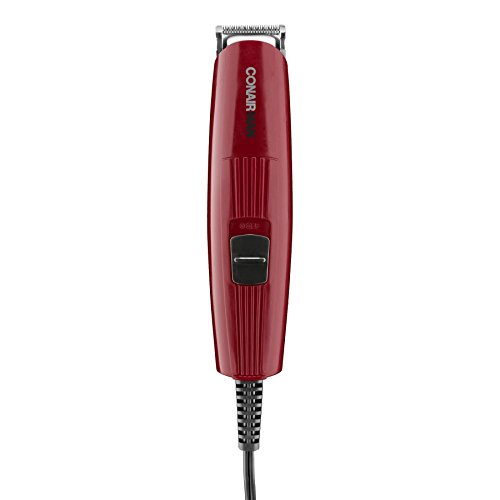
Corded Beard and Mustache Trimmer: A man's face is his statement and whether you're going bold look or staying subdued this corded men's trimmer has all the basics to give you a clean, comfortable shave.

6-in-1 Professional Men’s Grooming Kit: Hatteker all-in-one trimmer suits home and barbershop use, perfect for haircut, beard, nose hair and body hair trimming. Adopts premium stainless steel blade for smooth close trimming without pulling skin. Equipped with T-blade 1/2/3mm combs and hair clipper 1/3/5/7/9/12/16mm combs, fully meets all styling needs to keep men clean, refreshing and charming all day
How to Handle Itching, Ingrown Hairs, and Irritation
While understanding your partner’s preferences guides grooming decisions, the physical consequences of hair removal demand equal attention. You’ll experience itching relief through proper post-grooming skin care using fragrance-free moisturizers and gentle cleansing. Ingrown hair prevention requires limiting complete pubic removal frequency; men removing all pubic hair 11 or more times face 3.89 times greater risk of repeated injuries. For irritation remedies, apply cool compresses and avoid tight clothing immediately after grooming. Watch for signs of infection—9.3% of injured groomers report wound complications. Research from UC San Francisco found that groomers have nearly twice the odds of reporting an STI. If you develop folliculitis or persistent irritation lasting beyond three days, seek medical evaluation. The scrotum’s delicate tissue makes it particularly vulnerable, accounting for 67.2% of male grooming injuries. Selecting proper grooming tools like those with adjustable blades can help minimize trauma to sensitive skin. Dermatologists recommend using electric razors for sensitive genital skin, as they provide a less close shave to help avoid microscopic nicks and skin irritation. Strategic restraint in grooming intensity substantially reduces these complications.

A Safe and Gentle Electric Razor for Women: Experience easy, curve-hugging, smooth shaving with a womens electric razor for bikini area in a reusable, rechargeable design that minimizes skin irritation while reducing disposable waste

2-IN-1 FACE AND BODY GROOMING: This bikini trimmer for women includes a body hair trimmer and face shaver. Use the body head for bikini line, pubic hair, legs and underarms, and the facial head for peach fuzz and quick touch-ups.
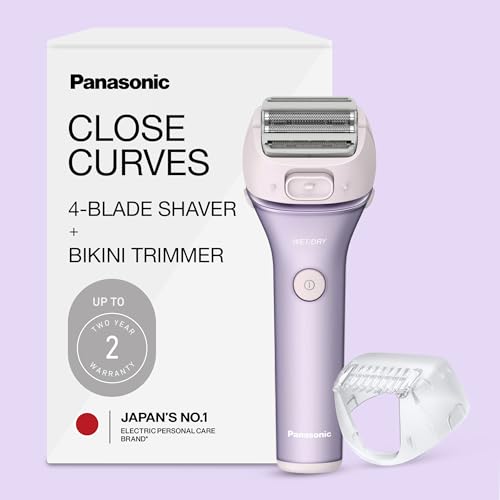
A Safe and Gentle Electric Razor for Women: Experience easy, curve-hugging, smooth shaving with this bikini trimmer for women, featuring a reusable, rechargeable design that minimizes skin irritation and reduces disposable razor waste
How Often to Groom and When
Finding the right grooming frequency depends on your chosen style and sexual activity patterns. If you maintain a clean-shaven appearance, you’ll need weekly or more frequent trimming to prevent stubble. Trimmed styles require less maintenance, typically every two to three weeks. Research shows that sexually active men groom more frequently, with 28.5% reporting grooming in the past month. Most men groom specifically in preparation for sexual activity. High-frequency grooming—daily or weekly removal—increases injury risk, particularly on the scrotum, which accounts for 67% of grooming injuries. Specialized body trimmers with protective features like rounded blades and skin guards significantly reduce the risk of nicks and irritation compared to razors. Beyond injury prevention, proper hygiene routines can also help address itchiness or discomfort that may arise from grooming. Balance your grooming frequency with injury prevention. Choose a style matching your maintenance tolerance, and adjust your schedule based on your sexual activity timeline rather than adhering to arbitrary intervals. Studies indicate that waxing is the safest method for reducing grooming-related injuries compared to razors and other tools.
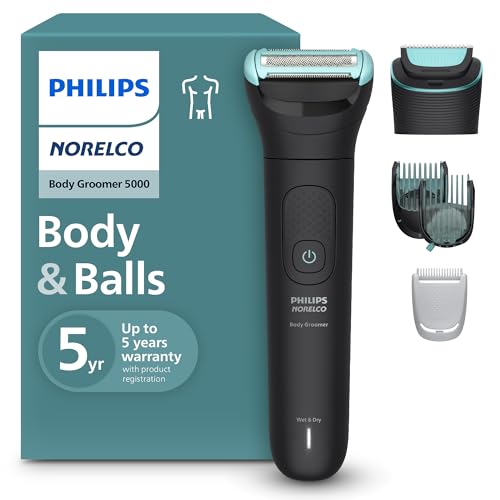
Dual Grooming Heads: Switch between full-body trimming and a close, skin-friendly shave
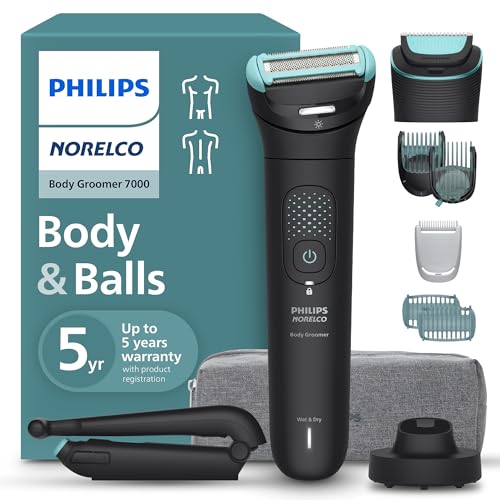
Dual Grooming Heads: 2D flexing shaver and trimmer support close, comfortable full-body grooming

Comprehensive Replacement Kit: This set includes a detachable 3 skinprotect guard. Designed as a perfect replacement accessory for p-hilip norelco o-blade Intimate body groomer, it ensures optimal grooming performance
Testicle Care: Why It Matters
Your testicles require consistent hygiene and health monitoring to prevent infection, maintain skin integrity, and support overall reproductive function. The scrotal area demands particular attention due to its skin sensitivity and warm, moist environment that promotes bacterial growth. Daily cleansing with gentle, fragrance-free soap prevents odor and reduces infection risk. You’ll benefit from wearing breathable cotton underwear that minimizes moisture accumulation and friction-related irritation. Regular self-examination helps you identify abnormalities early, including lumps, discoloration, or texture changes. Early detection through self-examination significantly improves treatment outcomes for testicular conditions, with localized cases demonstrating a 99% survival rate when identified promptly. Proper grooming techniques—whether trimming or shaving—require careful execution to avoid cuts and ingrown hairs, and using specialized manscaping devices with rounded blades and adjustable guards ensures safety on sensitive contoured skin. Devices like the Philips OneBlade operate at 12,000 strokes per minute with skin-friendly performance that minimizes irritation and nicks on sensitive areas. Post-grooming care with moisturizer addresses skin sensitivity and maintains barrier function. Prioritizing testicle care demonstrates commitment to reproductive health and overall wellness.
How Grooming Affects Sexual Confidence
Because grooming practices directly influence how you perceive your genital appearance, they’ve become closely linked to sexual confidence and performance. Research demonstrates a clear association between pubic hair grooming and enhanced confidence in genital appearance among men. This grooming psychology extends beyond aesthetics—your satisfaction with genital appearance correlates with improved sexual activity outcomes.
The confidence boost derived from grooming manifests practically: 59% of men report enjoying sexual encounters less when their own pubic hair isn’t groomed to their comfort level. When you maintain grooming habits that align with your preferences, you experience modestly higher genital satisfaction and greater positive body image overall. Studies indicate that religion, medical advice and personal preference serve as common motivations for men to establish grooming routines. Like eyebrow trimming, achieving precision in genital grooming requires small, careful movements to prevent irritation and ensure clean results. Products like ceramic blade trimmers offer safe options that help men achieve their desired grooming results with confidence.
This psychological mechanism suggests that grooming’s primary benefit isn’t solely aesthetic. Rather, the confidence gained from controlling your appearance directly enhances sexual performance and satisfaction.