You’ll want to cleanse your skin with lukewarm water and exfoliate to soften hair follicles. Apply pre-shave oil, then use a specialized tool like BAKblade 2.0 or an electric shaver, pulling skin taut and shaving with hair growth using light pressure. Rinse with cool water afterward and apply fragrance-free moisturizer containing ceramides or aloe vera. Wear loose cotton clothing to minimize friction. Avoid common mistakes like dry shaving and multiple passes that cause irritation. Understanding each step’s purpose will help you achieve smoother, safer results.
Prepare Your Skin With These Essential Steps
Before you shave your back, you’ll need to properly prepare your skin to minimize irritation and reduce the risk of ingrown hairs. Start by cleansing with a gentle, non-abrasive cleanser using lukewarm water for at least three to five minutes. This pre-shave hydration softens hair follicles and opens pores effectively.
Exfoliation importance can’t be overstated—use a long-handled brush or exfoliating glove to remove dead skin cells from your upper and middle back. This critical step unclogs pores and considerably reduces ingrown hair development. Pat your skin dry gently with a soft towel, avoiding rubbing that could inflame freshly cleansed areas. Finally, apply pre-shave oil with hydrating ingredients like jojoba or coconut oil, using seven to ten drops and massaging for twenty to thirty seconds across your entire back. For optimal glide and visibility during shaving, shaving oil is preferred over cream on sensitive areas. Regular tool maintenance prevents bacterial and fungal growth that can cause infections and skin irritation. Ensure tools are clean before starting to prevent skin irritation and infection from bacteria or residue.
Pick the Right Tools for Back Shaving
Once your skin is properly conditioned, selecting an appropriate tool determines whether you’ll achieve safe, effective results or experience irritation and missed patches. Tool comparisons reveal distinct advantages: manual options like the BAKblade 2.0 and Bearback offer reliability without batteries, while electric alternatives like the MANGROOMER ULTIMATE PRO provide power for coarse hair. User recommendations favor the BAKblade for its 18-inch reach and barber-quality results, though budget-conscious individuals prefer the Bearback’s effectiveness at lower cost. The ETbyto serves basic needs affordably with eight replacement blades included. For facial-body versatility, the Philips Norelco OneBlade 360 delivers rechargeable convenience. Like eyebrow trimming, making small, careful movements while keeping your skin taut helps prevent nicks and ensures precision. Consider your hair thickness, storage preferences, and budget carefully. Choose a tool specifically designed for back access—this minimizes injury risk and maximizes shaving efficiency. Dedicated back shavers are engineered for hard-to-reach areas, unlike regular razors which may lead to uneven results. When comparing grooming tools, features like waterproof design and ceramic blades can enhance safety and comfort during use.

【Hatteker Electric Back Shaver 4 in 1 Kit】Comes with 4 interchangeable heads: precision trimmer, nose/ear trimmer, body hair trimmer, and main back shaver. Includes 5 guide combs: 1/2/3mm for the precision trimmer (ideal for haircuts, beard and sideburn trimming), and 3mm/6mm for the body hair trimmer (perfect for back, arms, legs, and body grooming). This kit supports everything from facial detailing to below-the-waist grooming, meeting daily grooming needs for men.

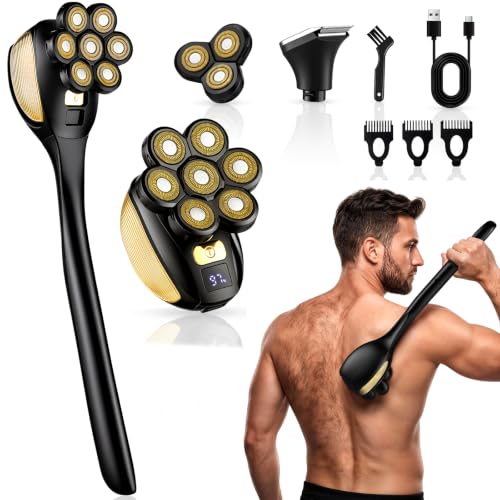
7D Floating Head for Easy Back Reach: The rotary head follows back and shoulder curves to maintain skin contact, the detachable long handle and silicone non-slip grip help reach difficult areas, making back hair removal for men easier without assistance.
Master the Shaving Technique to Avoid Irritation
Even the best tool won’t prevent irritation if your technique is flawed—improper pressure, direction, and stroke patterns account for the majority of shaving-related complications like razor burn, ingrown hairs, and cuts.
Establish proper skin tension by pulling the area taut before each stroke. This guarantees direct blade contact and prevents slippage. Follow your hair direction consistently; shaving with the grain minimizes irritation on sensitive back skin. Use light pressure control—let the blade glide without forcing it. Selecting a trimmer with safety mechanisms for sensitive skin can further reduce the risk of irritation during back grooming.
Develop a controlled shaving rhythm with long, even strokes on flat areas and shorter strokes on curved regions. Rinse your blade frequently to maintain cutting efficiency. Just as regular maintenance prevents trimmer malfunctions like those caused by hair buildup or debris, consistent blade cleaning during your shaving session ensures optimal performance. Limit passes to one or two maximum; additional strokes compound friction damage. Apply fresh shave gel before any second pass. Remember to replace your razor regularly to ensure the blade remains sharp enough for a clean cut without requiring excessive pressure.
Soothe and Protect Your Skin After Shaving
Because your back skin remains vulnerable immediately after shaving, you’ll need to follow a deliberate aftercare routine to minimize inflammation, irritation, and infection risk. Rinse thoroughly with cool water to close pores and soothe irritated areas. Pat your skin dry gently with a clean, soft towel—avoid vigorous rubbing that increases sensitivity.
Apply post-shave hydration within minutes using a fragrance-free moisturizer containing ceramides, hyaluronic acid, or aloe vera. These skin calming techniques reduce stinging and redness effectively. Consider using cool compresses with plain water for immediate relief if irritation develops. Select post-shave products according to your skin type for optimal results and compatibility. While electric shavers are designed for dry use, traditional razors require proper lubrication to prevent blade tugging and skin damage.
Protect your back by wearing loose, breathable cotton clothing to minimize friction. Apply sunscreen since shaving increases photosensitivity. Just as genetics and proper grooming influence overall skin health, maintaining consistent post-shave care helps prevent long-term damage and sensitivity. If irritation persists repeatedly, take a break from shaving to allow full recovery.
Why Depilatory Creams Work Faster (When Shaving Feels Too Slow)
If you’re tired of the repetitive motions and setup time involved in shaving, depilatory creams offer a genuinely faster alternative that dissolves hair below the skin surface rather than cutting it at the level you see. Thioglycolic acid breaks down keratin protein in minutes, requiring only a 5-10 minute application versus multiple shaving strokes. You’ll skip lathering, rinsing, and repeated passes entirely.
However, depilatory cream benefits extend beyond speed. Hair removal reaches subcutaneous levels, meaning regrowth takes 3-5 days instead of overnight stubble. Tapered hair tips appear softer and less noticeable than blunt-edged shaved hair, which contrasts with the sharp cutting action produced when maintaining even pressure on a sharpening stone during blade maintenance. The strong odor of depilatory creams can resemble rotten eggs, so ensure adequate ventilation during application. Like brushing from ends to roots, proper application technique ensures even coverage and prevents patchy results.
That said, proceed cautiously. These alkaline chemicals penetrate skin slightly, destabilizing hair structurally. Patch test first to assess tolerance, as irritation reactions vary considerably among individuals.

12 oz NAIR MEN HAIR REMOVER BODY CREAM; works fast while you shower for blade-free, hair-free skin that stays smooth days longer than shaving by reducing hair regrowth
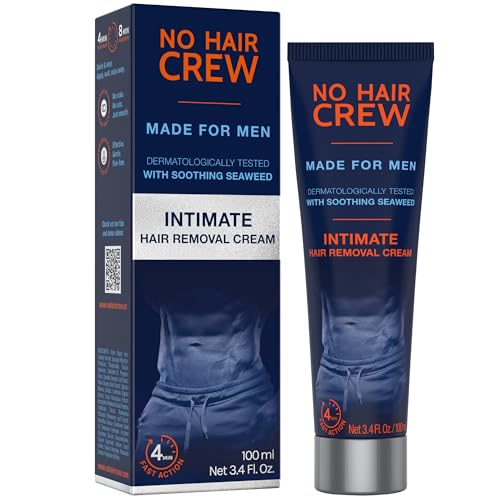
EFFECTIVE & SAFE FOR DIFFERENT BODY TYPES: Thin hair will need less time then coarse and thick hair. Experiment to find the right manscaping time for each body part! Recommended for men, but can be used by women.

PAINLESS HAIR REMOVAL: An easy, painless hair removal cream that delivers smooth results lasting noticeably longer than shaving, so you stay hair-free without the nicks, cuts or stubble.
Professional Back Waxing for 3-4 Weeks of Smoothness
While depilatory creams dissolve hair chemically, professional waxing removes it from the root, delivering longer-lasting results that extend 3-4 weeks before regrowth appears. Professional waxing advantages include superior longevity compared to shaving or depilatory methods. Your esthetician tailors the treatment to your skin type, selecting soft wax for larger areas or hard wax for sensitive skin. Long lasting results depend on consistent sessions every 4-6 weeks, which gradually produces finer regrowth over time. Proper preparation—exfoliating days prior, arriving with clean skin, and ensuring 1/4 inch hair length—optimizes effectiveness. Post-wax care with soothing toners, serums, or aloe vera minimizes irritation and redness. Waxing also reduces the risk of infection and bacteria buildup compared to methods that leave hair in place. However, waxing isn’t suitable for all skin conditions; consult your dermatologist if you’ve experienced adverse reactions to previous treatments. Similar to how regular oiling maintains equipment performance, consistent post-wax maintenance with appropriate products supports skin health and reduces irritation. Weekly waxing sessions can weaken hair follicles over time, reducing the overall frequency of waxing needed in the long term.

Effective on Thick & Thin Body Hair: Our cream hard wax is crafted with coconut oil, reducing irritation during hair removal. These beads are especially gentle on sensitive skin. KOTAMU waxing beads for thick hair removal efficiently remove dense hair from areas like the chest and back. An economical choice for bikini wax, our wax melts for hair removal offers a long-lasting smoothness after just one use

DESIGNED FOR SENSITIVE SKIN: Specially formulated for sensitive areas like Brazilian bikinis, our wax beads for brazilian waxing provide a gentle yet effective hair removal solution. They perfectly grip coarse hair and remove fine hairs with ease, ensuring a painless experience even on the most delicate skin, making them ideal wax beads for sensitive skin

🔹PROFESSIONAL STRIPLESS HARD WAX FOR ALL SKIN TYPES: Experience salon-quality hair removal at home or in your spa with Cirepil Blue Wax Beads - a non-strip, professional-grade hard wax trusted by estheticians worldwide. The unique polymer formula adheres only to the hair, not the skin, ensuring a smooth, clean removal with less irritation and reduced pain. Perfect for full body waxing sessions, from facial areas to legs and bikini.
Five Mistakes That Cause Razor Burn and Ingrown Hairs
Though back shaving seems straightforward, common technique errors can trigger razor burn, inflammation, and ingrown hairs that compromise skin health. You’ll encounter common myths suggesting dry shaving saves time or that multiple passes guarantee closeness—both damage skin. Dull blades pull rather than cut hair cleanly, causing irritation across all skin types. Shaving against the grain intensifies bumps and ingrown hairs, particularly problematic for sensitive skin. You’re also likely skipping important prep work: hydrating skin for 3-5 minutes and applying lubricant creates a protective barrier. Post-shave aftercare matters equally—neglecting soothing products or wearing tight clothing worsens redness. Since facial hair’s tensile strength is comparable to copper wire, dull blades struggle even more to cut effectively and cleanly. For sensitive skin, consider that electric shavers cut hair at or above the skin surface, which can help eliminate razor burn and micro-trauma compared to traditional blades. Replace blades every 5-10 shaves and use short strokes with rinses between passes. Top performers like Astra Superior Platinum are specifically designed for sensitive skin, offering an optimal balance of sharpness and smoothness to minimize irritation during back shaving. These evidence-based practices prevent inflammation regardless of your skin type.

1.5X MORE GEL – This sensitive skin razor for men has even more Hydro Gel for lasting comfort*. *vs. previous Schick Hydro

1.5X MORE GEL – These sensitive skin razor blades have even more Hydro Gel for lasting comfort*. *vs. previous Schick Hydro

DON’T SETTLE FOR SHAVE BUMPS AND INGROWNS. These razors have an Anti-Irritation Barrier with blades that barely touch the skin to help protect against shaving ingrowns and bumps
Pro Tips to Achieve Professional-Looking Results at Home
Shave in the direction of your hair growth to minimize irritation, though determining grain on your back proves challenging. Work methodically in small sections rather than rushing, applying consistent light pressure throughout. Change your blade every five to seven shaves—dull blades increase nicks and irritation considerably. Rinse your razor frequently to prevent cream and hair buildup that compromises cutting efficiency. Use back shaver tools specifically designed with grain consideration to reduce potential damage. Pat your skin dry gently afterward, then apply moisturizer immediately to support healing. Similar to achieving even results with clippers, using guide attachments on back shavers helps maintain consistent blade depth across all areas. Exfoliate once a week to keep skin smooth and reduce the occurrence of ingrown hairs. Allow recovery time between sessions; shaving every one to three days maintains results safely without compromising skin integrity. Pre-shave preparation such as hot showers opens pores and softens hair for easier removal.

Compatible With Models: BG3010 BG3011 BG3012 BG3015 BG3016 BG3017 BG3027 BG5020 BG5021 BG5025

4-IN-1 Back Shaver & Body Groomer Kit:Includes back shaver head, foil shaver, precision body trimmer for intimate areas, and nose trimmer, providing a complete grooming solution for men
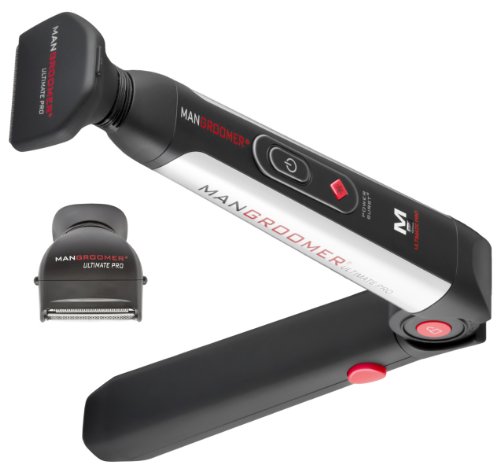
The new ULTIMATE PRO Back Shaver's unique patented design will enable you to reach all areas of your back by yourself with ease and shave off all your back hair effortlessly, plus added Power Burst button to shave through extra thick and coarse hair. battery life is estimated 3-4 years.Charging time from depleted to full charge is 6-8 hours, but initial charge can be from 8-12 hours