You’ll want to prep your neck with warm water and exfoliation to soften hair and prevent ingrown hairs. Use light pressure, shaving with the grain, and hold your razor at a 90-degree angle for ideal contact. Since you can’t see the back, use shorter strokes around the curved contours. Rinse thoroughly with cold water to close pores, then apply an alcohol-free aftershave balm with soothing ingredients like aloe vera. Uncover additional techniques to perfect your routine.
Prepare Your Neck and Skin Properly Before Shaving
Since the back of your neck is particularly sensitive and prone to irritation, proper preparation is vital before you pick up a razor. Start by cleansing thoroughly with a gentle, face-specific cleanser to remove dirt and oil. Next, soften your hair with warm water or a hot shower for up to three minutes—this step is critical regardless of your neck hair types or shaving frequency.
Exfoliate gently using a damp washcloth or chemical exfoliant like salicylic acid to remove dead skin cells and prevent ingrown hairs. Apply a pre-shave oil to reduce irritation and allow your shaving cream to sit for one to two minutes, letting it further soften your beard. Select a shaving cream designed for male skin that contains natural ingredients such as sweet almond oil and coconut oil for optimal nourishment and protection. For those with particularly reactive skin, consider using a razor designed for sensitive skin to minimize bumps, nicks, and cuts during the shaving process. After shaving, disinfect any nicks or cuts with 70% isopropyl alcohol to prevent infection and promote proper healing. Finally, rinse with cool water to close your pores and pat your skin dry gently. This methodical preparation guarantees a smoother, irritation-free shave.
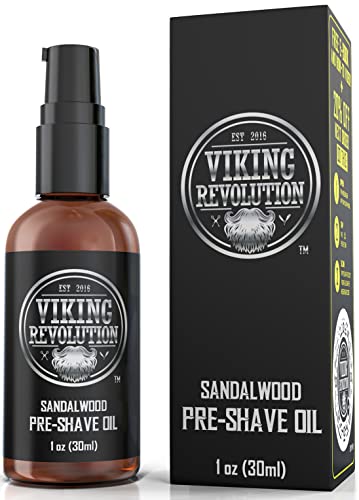
Silky Smooth Shave- Apply our pre-shave oil before your shaving regimen to leave your skin incredibly soft.

Nourish and Prepare - Bevel Pre Shave Oil is enriched with a powerful blend of Castor Oil, Olive Oil, and Tea Tree Oil, providing deep hydration and nourishment to your skin, while preparing your facial hair for a smooth shave

EXPERIENCE THE PERFECT SHAVE TODAY: Clubman Pinaud Shave Oil enhances razor glide for an exceptionally close, comfortable shave. This combats razor burn, rashes, ingrown hairs, and nicks, making it one of the best beard oils and shaving oils for men.
Avoid These Common Mistakes That Cause Irritation
Even with meticulous preparation, you can still end up with irritation if you’re not careful during the actual shave. Practice proper razor blade etiquette by using light pressure—let the blade do the work without forcing it against your skin. Avoid re-shaving identical spots, which traps hairs beneath the surface and triggers ingrown hair development.
Develop skin sensitivity awareness by shaving with the grain, especially on your initial pass. Never overstretch your neck skin, as this heightens razor burn vulnerability around curves and complicates maneuvering your Adam’s apple. Excessive stretching also reduces the blade’s flattening effectiveness. Hair growth direction may vary on different areas of the neck, so adjust your technique accordingly as you move across the back and sides. For optimal results, hold your razor at a 90-degree angle to ensure proper contact with hair and skin. Quality electric shavers with advanced cutting elements can provide faster and more comfortable shaving compared to manual razors.
Finally, don’t neglect post-shave care. Rinse thoroughly, apply soothing products, and hydrate your skin. This critical step prevents redness, irritation, and bump formation from lingering. Consider using pre-shave oils or balms to reduce irritation, though you may need to test different products to find what works best for your skin type.

Reduces Razor Bumps Fast: Targets visible razor bumps after shaving to help skin look smoother and clearer with consistent use

FOR MEN AND WOMEN/FOR MOST SKIN TYPES: Nutri-Shave is a unique skin care product specially formulated to reduce the irritation that shaving can cause, leaving skin smooth, healthy, and well nourished.
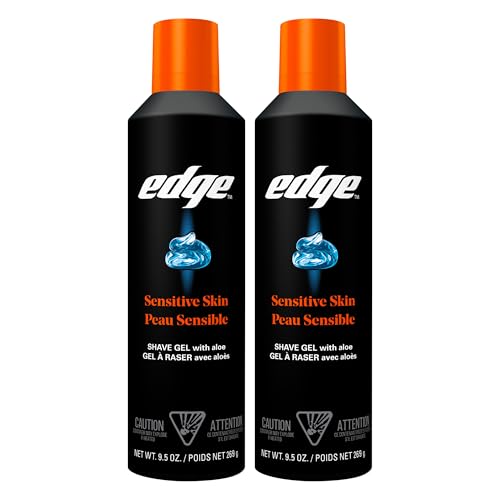
SENSITIVE SKIN PROTECTION: With Edge sensitive skin shaving cream for men, enjoy protection from nicks and cuts thanks to its effective formulation
Get Your Blade Angle Right for the Back of Neck
While most shaving guides recommend a standard 30-degree blade angle, you’ll need to adjust this approach for your neck’s unique contours and sensitivity. The back of your neck demands a shallower angle than your face to minimize razor burn risk. Your razor’s geometry and blade exposure directly influence how you’ll hold it—aggressive razors with positive blade exposure require steeper angles, while milder designs need flatter positioning.
Start by positioning your handle nearly perpendicular to skin, then gradually lower it until you feel the blade catch hair without pulling. Listen for that clean cutting sound. Use shorter strokes to maintain control around your neck curves. Tilt your handle slightly up or down to locate your sweet spot, testing different angles until you find what works for your specific skin sensitivity and stubble density. Like facial shaving, holding the skin taut helps prevent irritation and ensures smoother results. Maintaining consistent angle throughout the neck area prevents missed spots and ensures an even shave across all contours. For those with sensitive skin conditions, consider replacing your razor after five to seven uses to reduce irritation from dulled blades.
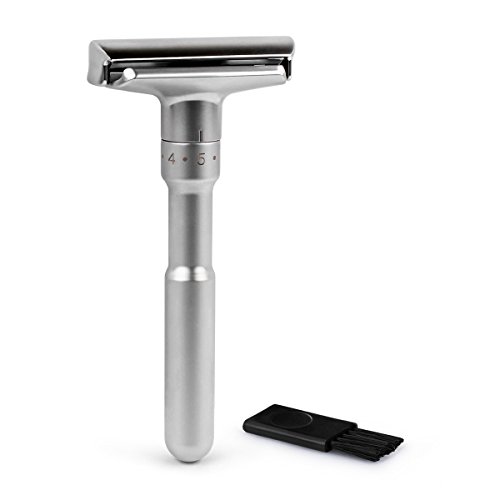
German Design Adjustable Handle to set blade exposure levels from 1 to 6. Matte chrome plated over zinc.

UNIQUE FINGER-WORN DESIGN - NeatNeck offers a distinctive neck and nape shaver that can be comfortably worn on any finger, enabling hassle-free self-shaving for a polished neckline without assistance.

THE SMOOTHEST SHAVE for both men & women – Significantly reducing ingrown hair, skin irritations and razor burn often experienced with plastic cartridge razors, helping you finally achieve the smoothest, cleanest and closest shave.
Navigate Sensitive Areas Without Nicks or Cuts
You’ll need to treat your neck differently than your face—it’s thinner, more mobile, and far less forgiving when you make mistakes. Your skin sensitivity demands careful shaving techniques that prioritize protection over aggression.
Apply zero pressure to your razor. Let the blade’s weight do the work, preventing nicks and cuts that plague careless strokes. Replace dull blades regularly since worn edges increase irritation risk exponentially. For optimal blade performance, consider using DIY sharpening techniques to restore your razor between replacements.
Use multiple light passes rather than single aggressive passes. This approach reduces trauma while respecting your skin’s vulnerability. Avoid against-the-grain shaving entirely on your neck—the irritation isn’t worth a closer shave. Thorough cleansing with warm water after shaving helps remove lather residues and prevents ingrown hairs from developing.
Around sensitive areas like your Adam’s Apple, slide skin slightly to the side for better access without stretching it dangerously. These deliberate, controlled movements keep your neck smooth and injury-free. It’s worth noting that beard grooming practices vary across different cultures and religious traditions, so understand your own personal or faith-based preferences before establishing your shaving routine.

Aveeno Therapeutic Shave Gel: Sensitive skin shaving cream formulated with oat and vitamin E; soothes skin and provides a close, smooth shave with less irritation; 7 oz

DYE AND FRANGRANCE FREE: this shaving gel for women is specially designed for sensitive skin, made without elements that can irritate skin, like dyes and fragrances

ASTONISHINGLY SMOOTH SHAVE: Cremo's men shaving cream has unique molecules that create an slick surface, allowing your blade to glide effortlessly for a close, comfortable shave
Rinse and Close Pores on Your Neck After Shaving
Once you’ve finished shaving, immediately rinse your neck with cold water to close your pores and soothe irritated skin. Spend at least 30 seconds thoroughly rinsing your face and neck, using cold tap water splashed directly on the neck area. This rinse removes excess hair, product residue, and lather that can clog pores and cause irritation.
Cold water constricts your pores after the warm pre-shave preparation, considerably reducing razor bumps and sensitivity. Focus especially on your neck to clear any lather buildup that causes whiteheads. For additional benefits, consider using a calming serum to further soothe irritation and enhance your aftercare routine. After rinsing, lightweight moisturizers with hyaluronic acid provide optimal hydration for freshly shaved skin. Pat your skin gently dry with a clean towel—avoid rubbing, which can irritate freshly shaved areas. Using natural moisturizing ingredients like aloe vera or shea butter can provide additional soothing benefits for sensitive neck skin.
If irritation persists beyond your routine, consult a dermatologist for personalized guidance.

COOLING POST SHAVE BALM: Men's after shave balm helps cool and soothe skin after shaving; The extremely unique cooling effect helps close facial pores and comfort skin

COOLING SENSATION: Provides an invigorating ice-cold feeling that soothes and refreshes skin after shaving
Soothe Back-of-Neck Skin With the Right Aftershave
The right aftershave balm dramatically reduces irritation and accelerates healing on your freshly shaved neck. You’ll want to choose alcohol-free aftershave types that contain soothing ingredients like aloe vera and chamomile, which calm sensitive skin without stinging.
For back-of-neck shaving, consider balms with menthol or tea tree oil. These deliver cooling sensations that reduce inflammation while fighting bacteria from potential nicks. If you’ve got razor burn, prioritize formulas with chamomile—they’re specifically designed to address irritation. Thicker balm consistency provides superior performance in relieving aftershave discomfort compared to thinner liquid formulations.
Cremo Cooling Post Shave Balm works well with its shea butter and menthol combination, while Nivea Sensitive Cooling Post Shave Balm offers budget-friendly relief for all skin types. Electric razors with pressure sensor technology can also help minimize irritation during the shaving process itself. For optimal results, ensure your neck is properly prepared beforehand, as post-shave moisturizing performs best on clean, dry skin. Apply your chosen balm immediately after rinsing, patting your neck dry first for the best absorption and maximum soothing benefits.