Your hair clippers pull hair when blades are dull, misaligned, or inadequately lubricated. Overheating during use also forces tugging instead of clean cutting. You’ll need to sharpen or replace worn blades, realign the top blade 0.8mm below the bottom blade, and oil every 15-20 minutes with manufacturer-recommended lubricant. Cool your clippers every 5-10 minutes and refine your cutting technique with proper grip and wrist motion. Each factor compounds the problem, so addressing them systematically will restore peak performance.
Replace or Sharpen Dull Blades
When your clippers start tugging instead of cutting cleanly, you’re dealing with dull blades—one of the most common culprits behind poor clipper performance. You’ll face a critical decision: sharpen or replace them.
Sharpening extends blade life considerably when edges remain intact. Professional services hone edges precisely, remove product buildup, and restore cutting efficiency through lubrication. Your sharpening frequency depends on usage intensity and hair type. Daily professional use demands sharpening every few months, while thick or curly hair accelerates dulling compared to fine straight hair. To maintain optimal performance between sharpenings, lubricate clipper blades every 15-20 minutes during operation to prevent friction and premature wear. When applying oil, use manufacturer-recommended specialized clipper oils that reduce friction and resist heat from high-speed blades. Regular maintenance also prevents fungal and bacterial growth that can compromise blade integrity and performance.
However, severely damaged or irreparably worn blades require replacement. Invest in quality blades for professional results. Proper blade care through regular maintenance prevents motor strain, guarantees effortless gliding, and maintains precision cuts.

Professional-Grade Blade Care: Ensure your pet and dog grooming blades last for years to come with Wahl’s top-quality clipper blade oil


Extends Blade Life: Specially formulated hair clipper oil; blade oil helps extend the life of clipper and trimmer blades
Realign Misaligned Clipper Blades
Even properly maintained blades can drift out of alignment during regular use, causing that characteristic pulling sensation and uneven cuts. You’ll need to realign your clipper blades systematically to restore proper cutting performance.
Start by positioning your taper lever upward and loosening the blade attachment screws slightly. Adjust your top blade so it sits 0.8mm below the bottom blade, positioning it parallel with the far-left tooth over the bottom blade’s first small tooth. Your alignment verification requires checking that you’ve maintained a 1-2 credit card setback before fully tightening screws alternately in small increments. Proper spacing prevents pulling and snagging during use, which is why maintaining correct alignment is essential for optimal clipper performance. Once you’ve completed the alignment, use a sharpening stone to ensure both blades are sharp enough to cut cleanly without pulling.
After tightening, power your clipper on and off to test alignment with the taper lever closed. Confirm the blades cut without pulling and that no clattering occurs, indicating successful blade positioning and restored cutting efficiency. To maintain this restored performance long-term, apply clipper oil after every use by placing 3–5 drops on the blade and running briefly to distribute.
Oil Your Blades and Clean Buildup
Two critical maintenance tasks—oiling and cleaning—work together to eliminate the friction that causes hair pulling and guarantees your clippers operate at peak performance. Proper blade maintenance requires consistent lubrication techniques that reduce metal-to-metal friction while preventing heat buildup during extended use.
Apply quality clipper oil directly to your blades, allowing it to coat hair strands for smooth gliding action. The oil beats off accumulated hair, dirt, and debris that otherwise snag and pull during cutting. Its antimicrobial properties protect against contamination. Specialized clipper oils formulated by manufacturers like Wahl or Andis are preferable to alternatives such as mineral oil or sewing machine oil. Regular oiling also protects blades against corrosion and rust, which is especially important in humid salon environments.
Wipe excess oil away to prevent attracting additional dust or hair buildup. For thorough maintenance, follow a post-cut cleaning routine that includes brushing debris from the blade front and back, spraying alcohol on the blade teeth, and allowing it to air-dry completely. Clean your blades frequently alongside oiling—this dual approach maintains blade sharpness, extends operational life, and delivers the consistent, clean cuts your clients expect without disruption or hair breakage.

Rust Prevention – Prevents rust from forming & helps extend the life of the clipper & blades; can also reduce the likelihood of blades becoming dull
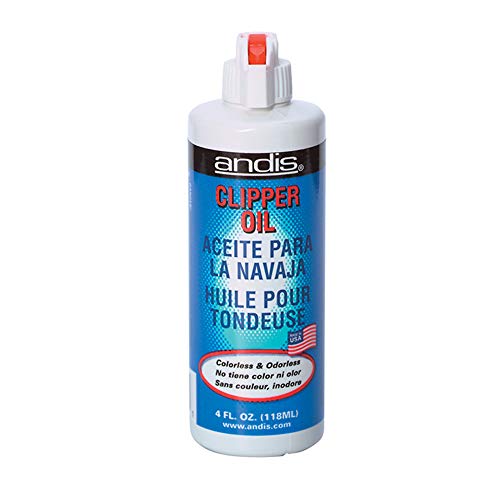
Cutting machine oil to lubricate and clean the blades

Product packaging may vary
Let Your Clippers Cool Between Uses
Because heat generated between your blades during operation directly causes friction and hair pulling, you’ll need to build cooling intervals into your routine. Check your clippers every 5-10 minutes by touching the blade; if they’re too hot to hold comfortably, stop immediately and let them cool.
Turning off your clippers during changes between cuts minimizes motor warmth buildup greatly. This simple practice prevents performance drops that compromise cutting efficiency and increase pulling. The SkinSafe® blades found in advanced grooming devices are specifically engineered to reduce tugging while maintaining consistent cutting power. Regular maintenance with a small brush will also help remove hair and debris that can contribute to friction.
For ideal friction reduction, combine rest periods with cooling methods like Andis Cool Care Plus or Wahl Blade Ice Spray. These sprays dissipate blade heat instantly while lubricating components. Advanced clippers with automatic temperature control features will self-regulate and activate integrated cooling systems when excessive heat is detected, providing reliable operation without manual intervention.
If you’re using high-end models with built-in air cooling systems, you’ll extend continuous use time considerably. Regardless of your equipment, consistent cooling downtime guarantees steady power output and protects hair from unnecessary stress.
Check Your Technique and Attachments
While keeping your clippers cool prevents heat-related pulling, your cutting technique and attachment selection matter equally in eliminating this problem. Improper clipping techniques commonly cause hair pulling. You’ll want to maintain a relaxed grip and employ smooth, scooping wrist motions rather than rigid movements that snag hair. Your guard selection directly impacts performance too—ensure you’re attaching the correct guard for your desired length, as worn or damaged attachments tear hair instead of cutting cleanly. Always verify your guards are clean and dry before use. Additionally, check that you’re cutting against hair growth direction and using appropriate angles around edges. Numbered sizes like #1 or #2 for buzz cuts correspond to specific hair lengths that determine the cutting performance of your clippers. Similar to how razor blade quality affects shaving comfort, the condition of your clipper blades and lubrication strip significantly influences how smoothly hair is cut without pulling. Just as early safety razors revolutionized shaving by eliminating the need for stropping, modern clippers require proper maintenance to function effectively. Regular technique refinement and proper guard maintenance prevent pulling and deliver professional results consistently.

High Quality: Constructed from robust nylon material. Flexible and sturdy like the original.

▶Premium Value & Complete Set Get 10 durable Clipper Guards in one pack for unmatched value. Our set includes the most needed sizes from 1.5mm to 25mm for versatile cutting and fading.

14 Piece Kit: Includes hair clipper guards from 1/2 (1/16") all the way up to 8 (1")