Shaving doesn’t remove bacteria—it actually creates microscopic cuts that increase infection risk by 82%. Despite 59% of women shaving for perceived hygiene, there’s no medical evidence supporting this benefit. You’re exposing yourself to folliculitis, UTIs, and cellulitis through micro-injuries. Safer alternatives like clipping or depilatory creams carry notably lower infection rates. If you choose to shave, you’ll want to understand proper techniques, blade selection, and post-shave care to genuinely minimize your risk.
Does Shaving Actually Remove Bacteria, or Is It Just Personal Preference?
Contrary to conventional hygiene wisdom, razor shaving doesn’t remove bacteria—it actively creates entry points for bacterial colonization. The microscopic cuts razors produce exude tissue fluid that serves as a bacterial culture medium, increasing surgical site infection (SSI) risk by 82% compared to no removal (RR 1.82). You’re fundamentally creating wounds that harbor pathogens rather than eliminating them. This explains why shaving alternatives like clipping and depilatory creams demonstrate noticeably lower SSI rates. Clipping shows negligible infection risk versus no removal, while depilatory creams reduce SSI compared to razors (RR 2.28). Research involving 8,919 participants across 25 studies has established the superiority of clipping over razor removal for minimizing infection risk. For those seeking alternatives, beard trimmers designed for sensitive skin can provide safer grooming options that minimize irritation while avoiding the infection risks associated with traditional razors. If hair removal becomes necessary, you’ll achieve better outcomes by abandoning razors entirely. Prioritizing personal comfort and preference when making grooming choices can help you select safer removal methods that align with your individual needs. The evidence overwhelmingly suggests that shaving represents personal preference, not hygiene necessity.
Why 59% of Women Shave for Hygiene: and What the Evidence Shows
While the medical evidence demonstrates that shaving doesn’t improve hygiene and actually increases infection risk, the majority of women report grooming specifically to feel cleaner and more hygienic. This disconnect between hygiene perceptions and clinical reality reveals how marketing and cultural conditioning shape grooming habits. You’re likely motivated by deeply ingrained associations between hair removal and cleanliness dating to early 1900s advertising campaigns that linked shaving to femininity and hygiene standards.
Your grooming habits reflect psychological comfort rather than microbiological necessity. The perception that hair traps perspiration and bacteria—while technically true—doesn’t translate to improved health outcomes through removal. Yet 59% of women cite feeling hygienic as their primary motivation, demonstrating how powerful hygiene perceptions remain, despite lacking scientific support for the practice’s cleanliness benefits. Traditional manual razors require proper lubrication and preparation to minimize skin damage and irritation during the shaving process. According to research published in JAMA Dermatology, shaving injuries are common and include lacerations that can lead to emergency medical visits, further highlighting the disconnect between perceived hygiene benefits and actual health outcomes.

3 BLADES: 3 blades and a SkinElixir lubrastrip for glide, to deliver a smooth shave, with up to 0% irritation (US Consumer Study Feb 2018)

READY TO SMOOTH: These 3-blade razors are ready to smooth anytime, anywhere, making them perfect for when you’re on-the-go or prepping for a trip. No need to bring along extra blade refills—these razors are ready to shave at any moment

RAZOR FOR WOMEN: Includes 1 Gillette Venus razor handle plus 4 Venus razor blade refills for a smooth, comfortable shave
The Real Health Risks: UTIS, Injuries, and Infections From Grooming
If you’re removing all your pubic hair weekly, you’re considerably increasing your risk of recurrent urinary tract infections—those occurring three or more times within 12 months carry an odds ratio of 3.09. Hair removal compromises your natural defense mechanisms. Pubic hair traps bacteria and produces sebum that inhibits pathogenic growth, protecting against periurethral colonization. When you remove hair, you eliminate this barrier, exposing delicate skin to microorganisms and dirt. Additionally, grooming techniques like shaving and waxing create micro-injuries that serve as entry points for infection-causing pathogens. You’re also at higher risk for folliculitis, cellulitis, and vaginitis. Electric razors with dual blade technologies can reduce the severity of these micro-injuries compared to traditional shaving methods, though proper technique including light pressure and circular motions further minimizes irritation. Antibiotic therapy can disrupt the normal periurethral flora that naturally protects against uropathogenic colonization, making medical interventions for grooming-related infections particularly counterproductive. For effective UTI prevention, consider modifying your grooming practices to preserve your body’s protective microbial ecosystem.

The authentic genuine Philips OneBlade blades

Versatile Grooming Kit: Akunbem women electric shaver features an innovative dual head design that combines the functions of a body and facial shaver in one. There is no need to change the cutter head frequently. It can accurately and smoothly remove hair from the face, body and sensitive areas.

Dual-Function Design:Our women's electric razor combines two heads: Top serrated blade efficiently removes longer body/underarm hair, while the bottom foil bikini shaver delivers an ultra-close finish on delicate face/bikini areas—no switching needed for seamless transitions.
When Grooming Becomes a Medical Concern
Beyond the localized infections and injuries that result from aggressive hair removal, grooming habits can signal or precipitate broader medical concerns when hygiene decline becomes pronounced. Your personal grooming practices serve as clinical indicators of underlying conditions—particularly depression, neurological disorders, and post-traumatic stress disorder. When you neglect grooming routines, you’re experiencing functional impairment across mood regulation, motivation, and self-worth domains. This deterioration creates barriers to mental health treatment engagement, as hygiene decline becomes both symptom and obstacle simultaneously. Additionally, poor grooming practices increase your susceptibility to systemic infections through contaminated implements and inadequate hand hygiene during personal care activities. Maintaining consistent grooming habits like regular buzz cut maintenance every few weeks helps establish a structured routine that supports both physical hygiene and mental wellness. Regular disinfection of grooming tools with isopropyl alcohol prevents the transmission of bacteria and fungi that can compromise skin health. Regular grooming and hygiene routines can strengthen the immune system by avoiding preventable infections that compromise your overall health. These interconnected factors suggest that addressing grooming concerns requires thorough medical evaluation beyond surface-level interventions, identifying potential underlying health conditions necessitating professional intervention.

Powerful Hospital-Grade Formula – Kills 99.9% of viruses, bacteria, fungi, and mildew on hard, non-porous surfaces; effective against HIV-1 (AIDS virus), MRSA, Influenza, and more.

PROFESSIONAL USE: This 8 ounce bottle of Clini-Clip blade disinfectant spray is intended for professional use only and is designed to deliver the sharp performance that experts demand.

【ZERO-LEAK GUARANTEE】Switch instantly between gentle mist (for haircare/plant care) and powerful jet stream (cleaning/disinfecting). No clogging – works with oils, alcohol, and detergents!
Wet Shaving Versus Dry: Which Method Is Safer for Your Skin?
The choice between wet and dry shaving fundamentally hinges on how you prioritize safety, skin health, and grooming outcomes. Wet shaving delivers superior closeness through direct blade contact at skin level, benefiting those seeking longer-lasting results. However, it demands careful technique to minimize nicks and requires significant preparation time. Dry shaving eliminates cutting injuries and saves time, making it convenient for busy schedules. Yet it risks irritation and razor burn due to friction without lubrication. For skin sensitivity, wet shaving’s protective barriers prove advantageous when executed properly. Electric shavers are portable, allowing for on-the-go shaving without the need for water or lathering products. Regarding cost comparison, dry shaving reduces expenses by eliminating cream purchases, though electric shavers require initial investment. Your best choice depends on balancing convenience against desired shave quality and your individual skin’s tolerance levels.

From the #1 electric shaver brand¹: Shaver 2400 Series gives you a fast, clean shave even on sensitive skin thanks to 27 self-sharpening ComfortCut blades and 4D Flex Heads

A Safe and Gentle Electric Razor for Women: Experience easy, curve-hugging, smooth shaving with a womens electric razor for bikini area in a reusable, rechargeable design that minimizes skin irritation while reducing disposable waste

Discover easy, quick and comfortable shaving, even on hard to reach areas: this cordless electric lady shaver gently removes hair as short as 0.2 mm for that smooth feel
How to Shave Hygienically and Reduce Injury Risk
Since proper hygiene and technique directly determine shaving safety, you’ll want to establish a systematic approach before bringing razor to skin. Start by selecting hygienic tools—sharp, clean blades replaced every 5-7 shaves—and apply ideal lubrication with alcohol-free shaving cream containing aloe vera or chamomile. These products reduce injury risk by up to 73% according to clinical studies.
Map moles and scars beforehand to navigate precisely. Shave with the grain using short, light strokes without pressure, rinsing your razor after each swipe to prevent buildup. Follow your skin’s contours carefully around irregularities. Practicing steady hands and a gentle touch will further enhance your ability to avoid catching raised areas with your blade. For the smoothest results, work in steady strokes from back to front, maintaining light blade contact throughout.
If using an electric razor, check whether your device supports wet/dry shaving to determine if you should apply shaving cream for enhanced comfort and reduced irritation. Afterward, rinse with cold water to close pores and immediately treat nicks with a styptic pencil. Proper blade maintenance and systematic technique minimize irritation and infection risk considerably.

Designed for Sensitive Skin: Vanicream is the #1 Dermatologist-Recommended Brand for Sensitive Skin*. This shaving cream creates a protective barrier between the razor and your skin to deliver a smooth, close, and comfortable shave for both men and women
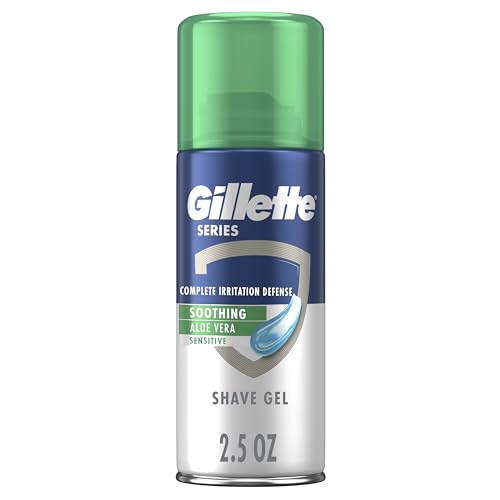
COMPLETE IRRITATION DEFENSE: Gillette Series helps protect sensitive skin from the signs of shaving irritation: helping to reduce cuts, redness, burning, stinging, and tightness.

PROTECT YOUR SKIN – Delivers a smooth, close and comfortable shave