You shouldn’t apply a face mask immediately after shaving. Instead, wait 12–24 hours to allow your skin to recover and close its pores. Applying masks too soon traps bacteria in freshly opened pores, worsening micro-cuts and irritation. If you’ve got sensitive skin, hold off even longer—up to 2 days for clay masks. Once you’ve waited the appropriate time, you’ll find that soothing masks with aloe vera or chamomile work best for post-shave recovery. Understanding the right timing and mask types can greatly transform your shaving routine.
Post-Shave Masking: Why Timing Matters
Because shaving creates micro-abrasions and strips the skin’s natural lipid barrier, applying a facial mask post-shave can greatly accelerate recovery and optimize skin health. Timing matters substantially when incorporating masks into your shaving techniques. You should apply calming masks approximately 12 hours post-shave or during the evening after a morning shave, allowing initial irritation to subside. This window prevents over-stressing compromised skin while maximizing therapeutic benefits. For individuals with skin sensitivity, waiting 2 days before applying clay-based masks protects raw, vulnerable areas. Post-shave pores remain open from heat exposure, creating an ideal window for mask application that enhances product absorption and penetration. Masks with aloe vera or chamomile are particularly effective at soothing the irritation and redness that commonly occurs after shaving. Similar to post-shave scalp care, moisturizing immediately after shaving with soothing products helps restore the skin’s barrier and prevents dryness. Consider using lightweight, non-greasy moisturizers alongside your mask routine to maintain optimal hydration and barrier integrity. Limiting frequency to once or twice weekly prevents over-drying and maintains your skin’s barrier integrity throughout the recovery process.

Instant Calm for Stressed Skin: The Pacifica Calm Space Calming Facial Mask is an innovative semi-gel sheet mask designed to soothe upset, irritated skin in just one session. If your complexion is red, puffy, or over-treated (think post-peel or too much sun), this mask provides instant relief. It hugs the face comfortably, delivering a cream-like serum that calms and cools. Users say it’s like a “stress relief session for your skin<,” leaving the face feeling less inflamed and more balanced. Pop this mask on during your self-care night to create a calm space for both your skin and mind.

INTIMATE AREA CARE: Kluchea Vajacial Mask is specially designed for the external intimate area, providing targeted hydrating, soothing, and nourishing care.

CALM & SOOTHE IRRITATED SKIN – This inflammation-calming face mask is formulated to rescue upset, over-treated skin. It instantly relieves redness, burning or itchiness (even from rosacea flare-ups or sun exposure) with a surge of cooling hydration, helping angry, sensitive skin feel calm, comforted and balanced.
Prep Your Skin Before Shaving
Before you pick up a razor, properly preparing your skin sets the foundation for a comfortable shave and accelerates recovery. Start by cleansing with warm water to remove dirt and oil that can clog your razor. Follow with exfoliation using techniques suited to your skin types—mechanical scrubs for oily skin, gentle chemical exfoliants for sensitive or dry skin. Apply circular motions for thirty seconds to lift facial hair and prevent nicks. Next, hydrate your skin with warm water or natural ingredients like honey, which softens hair and opens pores. For optimal results, shave after a bath or shower to ensure your hair is soft and skin is maximally hydrated. Consider using a compact trimmer like the Panasonic ER-GB42 for precise 0.5mm cuts before wet shaving to reduce irritation. Hold your razor at a 30-45 degree angle with minimal pressure to allow the blade’s weight to do the work during your shaving strokes. These shaving techniques create favorable conditions for your razor’s glide while minimizing irritation, razor bumps, and ingrown hairs. Proper prep guarantees a smoother shaving experience regardless of your skin type.

Gentle Exfoliation with Pumice Granules: Experience a luxurious exfoliation with our microdermabrasion scrub, featuring non-abrasive pumice granules to gently buff away dead skin cells, revealing a smoother complexion.

CLEANSING AND EXFOLIATING FACIAL SCRUB - Acure Brightening Facial Scrub buffs away dull, dead skin cells with finely ground botanicals to reveal smoother, more radiant-looking skin

Sugar Face Scrub: Palmer's Coconut Sugar Exfoliating Facial Scrub uses natural Coconut Sugar to gently buff and polish away dirt and dead skin cells, revealing a brighter, fresher and purified complexion
Wait 12–24 Hours: The Best Timing for Your Mask
Timing your face mask application is essential—you’ll want to wait 12–24 hours after shaving to allow your skin barrier to fully recover. This window permits your stratum corneum to rebuild and replenish natural oils, maximizing skin hydration when you finally apply your mask. Applying a mask too soon risks trapping bacteria in open pores and exacerbating micro-cuts from shaving. To minimize irritation during the recovery period, avoid pressing hard and use short light strokes when grooming sensitive areas. Professional guidelines recommend this delay to maintain seal integrity, especially in sensitive areas prone to irritation. The 24-hour waiting period optimizes ingredient absorption on fully healed skin, delivering superior moisturizing benefits compared to immediate application. Many people report experiencing increased confidence when they establish a consistent skincare routine following shaving. For best results, choose masks that list activated charcoal as a primary ingredient to enhance the absorbing and exfoliating properties needed for clearer skin. After this recovery phase, limit mask application to 15–20 minutes, once or twice weekly, ensuring your skin receives maximum therapeutic benefit without unnecessary stress.

Deep Pore Cleansing Blackhead Remover Mask - Powered by Activated Charcoal, this peel off face mask draws out dirt, excess oil, blackheads, whiteheads, and impurities to help unclog and visibly minimize pores, revealing a clearer, smoother, and healthier-looking complexion for teens, women, and men

【BLACK MASK & TEA TREE SERUM KIT】 - The best SHVYOG blackhead remover mask makes your daily skin care routine complete. This new upgrade combination contains blackhead peel off mask and natural tea tree repairing serum for your convenience. Comes with a brush to help charcoal face mask application. Our black mask can be gifted to women, men and be a gifts to yourself
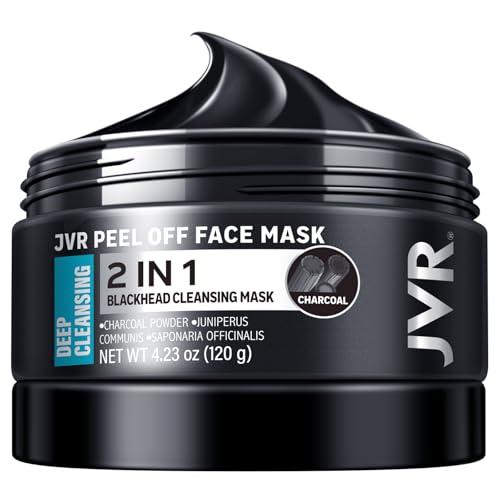
【2 IN 1 BLACKHEADS PURIFYING】The Charcoal Black Mask contains unique ingredients that work together to gently cleanse blackheads, help unclog pores, lift away surface buildup, dirt and excess oil, Leaving skin feeling clean, refreshed and visibly purified
Mask Types and Post-Shave Performance
Your choice of mask significantly impacts how well your skin recovers after shaving. Different formulations deliver varying levels of mask effectiveness depending on your specific concerns.
Nourishing masks with niacinamide and probiotics clear congestion without compromising your skin barrier. Deep-cleansing masks replenish nutrients lost during shaving while relieving razor burn and ingrown hairs. Cooling collagen masks reduce redness within 15–20 minutes through marine collagen’s anti-aging ingredient benefits. Electric shavers are particularly effective at preventing these common shaving irritations by cutting hair at or above the skin surface rather than tugging at follicles.
Sheet masks offer convenient post-shave soothing, while traditional peel-off masks penetrate pores more thoroughly than sheet alternatives. Traditional masks require drying time but deliver superior pore penetration through direct contact. For those managing skin conditions like hidradenitis suppurativa, electric trimmers may be safer alternatives to razors during flare-ups. Many dermatologists recommend waiting 12 hours after shaving before applying masks to minimize skin irritation.
Consider your skin’s primary needs—barrier restoration, irritation relief, or hydration—when selecting your post-shave mask type. Ingredient benefits directly correlate with recovery outcomes. Foil shavers are especially recommended for sensitive or acne-prone skin due to their protective guards that limit blade contact.

Radiant Morning Skin:Wake up to a visibly firmer and more radiant complexion after using this intensive collagen mask overnight. The hydrating formula works while you rest, transforming tired, dull skin into a smoother, plumper surface by morning

SkinKlean Soluble Collagen Face Mask : Experience gentle, nourishing care with our pure collagen formula. It helps support a refreshed, revitalized, and youthful-looking complexion, giving your skin the boost it deserves

Deep Hydration & Multi-Benefit Care: Experience the power of Korean skincare with our PDRN Collagen Mask. This gel mask delivers intense hydration, smooths texture, firms skin, and refines pores — all in one easy overnight treatment.
Clay Masks and Sensitive Skin
While clay masks offer deep-cleansing benefits, they can trigger significant irritation on sensitive skin due to their absorbent mineral compositions. Bentonite and French green clay cause excessive dehydration and histamine release, intensifying sensitivity symptoms like redness, itching, and swelling—especially problematic after shaving when your skin barrier is already compromised.
Choose gentler alternatives like kaolin or pink clay instead. Apply thin layers for 5–10 minutes maximum, once weekly initially. Avoid combining clay masks with other exfoliants or shaving on the same day. Use slightly damp formulations containing soothing ingredients like aloe vera and chamomile. Increased circulation from clay masks may cause temporary redness that resembles a flush after exercise. Rinse with warm water and immediately follow with hydrating serums containing hyaluronic acid to restore barrier function. Just as proper contact time is essential for disinfectant efficacy, allowing your skin adequate recovery time between treatments prevents cumulative irritation. For women using electric face shavers, waiting at least 24 hours before applying clay masks ensures your skin has sufficient time to recover from hair removal. Monitor sensitivity symptoms closely to adjust frequency accordingly.

[ MULTI-USE ACNE TREATMENT ] This 3-in-1 clay cleanser can be used as a daily facial cleanser, mask, and acne spot treatment. The unique kaolin clay formula transforms into a gentle foaming cleanser that is suitable for sensitive acne-prone skin.
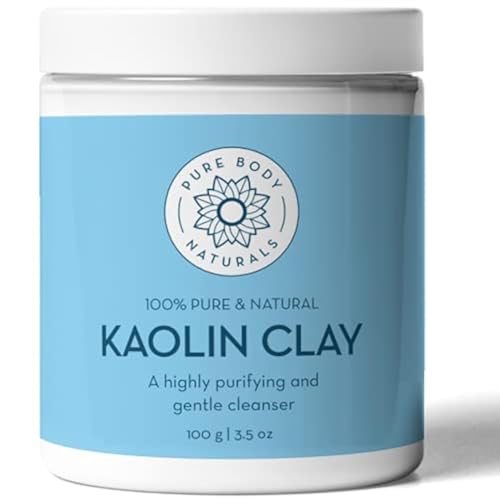
Pure white Kaolin Clay with a very soft, fine texture. Fragrance free.

CLAY MASK FOR FACE: Kaolin clay mask that deeply cleanses pores in 10 minutes. Australian Pink Clay draws out toxins, excess oil and impurities while tightening visible pores for a refined complexion.
Weekly Schedule: Spacing Shaves and Masks
Because your skin’s recovery timeline differs based on treatment type and skin condition, strategically spacing shaves and masks prevents cumulative irritation and maximizes therapeutic benefits. Align your shaving frequency with mask selection to optimize results. If you shave daily, limit masks to once weekly to avoid overtreatment. For twice-weekly shaving, you can safely incorporate masks two to three times weekly, depending on your skin type. Space clay masks at least two days before heavy shaving growth to prevent irritation on compromised skin. Post-shave masks work best 12 hours after shaving or right before bed. This staggered approach allows your skin adequate recovery between treatments while maintaining consistent grooming and skincare routines. For those seeking longer-lasting alternatives to frequent shaving, consider laser hair removal or electrolysis to reduce grooming frequency and the need for intensive post-shave skincare. Quality grooming tools like those with ceramic blades and waterproof designs can also minimize skin irritation during shaving. Always apply hydrating moisturizer after using masks to restore your skin’s natural barrier and prevent over-exfoliation damage.
When to Stop Masking: Recovery and Reset
Understanding when to pause masking treatments allows your skin to fully recover from shaving’s mechanical trauma and rebuild its protective barrier. You should stop masking when you notice persistent skin sensitivity or visible redness that doesn’t subside within 24 hours. Excessive masking techniques—more than twice monthly—compromise your skin’s ability to restore essential moisture and repair itself.
Recognize that your skin sensitivity peaks immediately after shaving. Continue avoiding masks until you observe natural oil restoration and reduced temperature sensitivity. Daily mask application during recovery strips critical hydration, preventing barrier reconstruction. Regular maintenance of your skincare routine, similar to how regular maintenance prevents fungal and bacterial growth in other personal care practices, supports overall skin health. Regular use of facial masks at appropriate frequencies, such as 1-2 times per week, supports skin health without compromising recovery when shaving is involved. Single-blade shaving techniques, such as those used with safety razors, can reduce irritation and razor burn compared to multi-blade alternatives.
Implement a reset by prioritizing moisturization with hydrating ingredients like hyaluronic acid and glycerin. Adjust your masking frequency based on your skin’s healing response, spacing treatments adequately to allow complete recuperation between applications.