You can bring your safety razor handle in carry-on luggage, but you’ll need to remove the blades before security. Pack those blades separately in checked baggage, wrapped securely in protective packaging. Cartridge and electric razors offer hassle-free alternatives since their enclosed blades pass through checkpoints without issue. If you’re traveling frequently or want to avoid complications, exploring these TSA-approved options might streamline your entire grooming routine.
Carrying Safety Razors Onboard
How can you bring your safety razor through airport security? You’ll need to remove the blade before reaching the checkpoint. TSA permits the handle in carry-on luggage, but blades must go in checked baggage, securely wrapped or sheathed to prevent injury.
Safety razor advantages include durability and cost-effectiveness, making them worth traveling with. For grooming tips, pack your handle separately from blades to streamline screening. If you’re checking a bag, consider packing your entire shaving kit together for convenience. Alternatively, send blades ahead to your destination or purchase them locally. To achieve optimal results with your safety razor, ensure you’re using quality shaving cream to soften hairs and lubricate for efficient cutting. Regular maintenance of your blades prevents dulling and ensures optimal cutting performance throughout your travels.
Always inform security officers you’re carrying a safety razor handle. Remember, individual TSA agents have final discretion, so arriving early helps if questions arise. It is essential to store blades in a clear, resealable plastic bag to ensure compliance with baggage regulations and prevent potential accidents during transport.

Razor travel case made of Vegan Leather, EVA inner liner. Protects and stores long or short-handled double-edged safety razors.

Premium Genuine Leather Craftsmanship Handcrafted from high-quality genuine leather, the case offers superior durability and reliable protection for long-term use. The rich leather material not only resists wear and tear but also develops a unique patina over time, adding a personalized touch. Paired with sturdy, high-quality buttons, it ensures secure closure to keep your razor safely enclosed at all times.

COMPACT & PORTABLE DESIGN – Parker’s A1R travel safety razor is precision engineered for convenient, everyday wet shaving. Its 4-piece screw-off handle and protective leather case make it perfect for storage, gym bags, or office drawers without compromising quality, weight, or control.
Blade Restrictions at Security Checkpoints
While you can carry your safety razor handle through airport security, the blades themselves face strict prohibitions that’ll determine whether your shaving kit makes it past the checkpoint. TSA officers use X-ray scanners to detect razor shapes, which may trigger manual inspections of your toiletry bag. Different blade types carry varying restrictions—cartridge razors with enclosed blades typically pass without issue, while removable safety razor blades require checked luggage. If officers uncover an installed blade during screening, they’ll confiscate your entire razor immediately. They won’t remove blades for you on-site. To guarantee razor legality and smooth passage, disassemble your safety razor beforehand and pack the blade separately in checked luggage, or consider disposable or electric alternatives instead. For optimal maintenance of electric razors during travel, regular cleaning with a small brush and proper drying will help preserve performance. After shaving, remember to apply post-care moisturizing to prevent skin irritation during your travels. Keep in mind that individual airlines may have specific guidelines beyond TSA regulations, so verifying your carrier’s policy before traveling ensures full compliance.
Packing Razors in Checked Baggage
Since blades aren’t permitted in carry-on luggage, you’ll need to pack them in your checked baggage along with your safety razor handle. Follow these razor packaging tips to protect baggage handlers and prevent damage. Place blades in their original packaging or a protective case, then wrap everything securely with tape or cloth. Keep your razor assembled for convenience, or pack components separately—both approaches are allowed.
Consider weight considerations when organizing shaving gear; blades and razors add minimal weight, so include them without concern. Store your complete setup in a small toiletry bag within checked luggage for easy access. Before packing, exfoliate and prep your skin to minimize irritation from your razor once you arrive at your destination. This organized approach prevents injury risks while ensuring your grooming tools arrive safely at your destination. If you’re concerned about managing multiple grooming items during travel, you might consider canceling subscription services for unnecessary grooming products before your trip. However, inconsistent TSA enforcement means that some travelers have experienced confiscation of their shaving items despite following official guidelines, so it’s wise to document your packing and consider mailing valuable razors to your destination if you’re concerned about potential loss.

Fits all DE and SE Razor handles Safety Razor (Length within 4.5 in), i.e. Merkur, MINGSHI,Weishi, Parker, Wilkinson etc.

Secure and Easy Storage. Great for keeping your razor edges safe. A comfortable way of closing razor head blades on buttons keeps your blades serving you more than usual closing methods from the side. With this cover, you can keep your finger safe from the blade.

CestAntiQ Full-Grain Leather, this Safety Razor Case is sure to with stand a lifetime’s worth of travel and usage.
Cartridge and Disposable Razors: TSA-Approved Alternatives
If you’re looking for a hassle-free shaving solution for air travel, cartridge and disposable razors offer the most straightforward option. You can pack both types directly in your carry-on baggage without disassembly or special restrictions—a major advantage over safety razors.
Cartridge options feature shielded blades that attach to handles, eliminating separation concerns during screening. You can bring spare cartridges in a clear, resealable plastic bag for efficient TSA inspection. Disposable convenience means you won’t need replacements at all since you’re bringing complete units.
Both razor types are TSA-approved for cabin use as of 2026 guidelines. Pack them securely to prevent shifting during transit. Grooming your pubic hair during travel can help maintain hygiene and comfort while away from home. For optimal results during your travels, consider the ergonomic design of your chosen razor to ensure comfort during use in airplane lavatories. If you’re uncertain, simply inform security staff you’re carrying a razor. This straightforward approach guarantees smooth airport passage without complications.

COMPACT & PORTABLE: With a mini handle and travel case for on-the-go and travel use. Easily fits into your purse or travel bag. Any Venus blade refill fits any Venus razor handle (except Simply Venus and Venus Pubic Hair Razor)

Travel-friendly protection: Shields razor blades from damage and prevents accidental cuts when packed in camping gear or travel bags

No Shaving Cream? No Problem!: Thanks to the built-in organic aloe vera moisture strip, there's no need for shaving gel — it glides smoothly over the skin. Simply wet and shave
Electric Razors for Hassle-Free Travel
Electric razors eliminate the blade complications that come with safety and cartridge models, offering you the simplest shaving option for air travel. You can pack them in either carry-on or checked baggage without restrictions, thanks to their enclosed blade design and non-hazardous classification.
The electric shaver benefits are substantial for frequent travelers. You’ll bypass security questioning about sharp objects and avoid separating handles from blades. Battery-powered models eliminate voltage compatibility concerns across destinations, while travel-sized versions maintain full functionality without modifications. Dermatologist-recommended options like Braun epilators deliver exceptionally close shaves while remaining compact enough for luggage. For travelers with sensitive skin, consider compact shavers like the Laifen P3 Pro that combine portability with comfort. Ensure the travel adapter matches the destination country’s plug sockets to avoid charging issues abroad.
For ideal travel grooming convenience, place your electric razor in a protective case within your toiletry bag. Verify your airline’s specific policies beforehand, though most carriers worldwide permit electric shavers without exception. This streamlined approach guarantees hassle-free airport security and confident grooming throughout your journey.

Skin Friendly Foil System: Dudes, meet your no-yank zone! These grooming beasts rock precision titanium blades with built-in smart sensing tech – bye-bye beard tugging. The floating head design? Lets your portable razor glide like butter on facial contours. Smooth operator status: unlocked
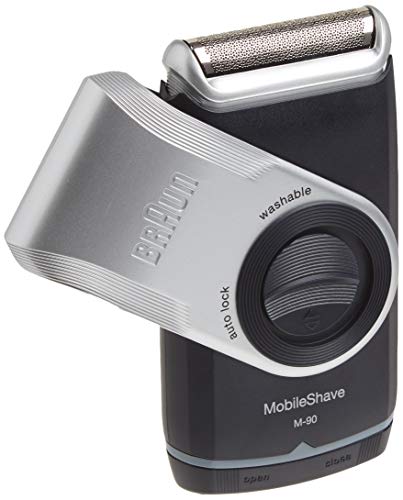
Wide Floating Foil - for close comfortable shaving

Compact and travel-friendly design – lightweight cordless shaver perfect for quick grooming at home, at the gym, or on the go
Packing Loose Blades and Replacement Cartridges
Loose blades and replacement cartridges require different packing strategies to comply with TSA regulations. You must pack loose blades exclusively in checked baggage, as they’re prohibited in carry-on due to security concerns. For loose blade storage, wrap them securely or use a dedicated blade bank to prevent accidents during handling and screening.
Replacement cartridges, however, offer you more flexibility. You can pack them in both carry-on and checked baggage since their shielded blade design reduces injury risk. For ideal cartridge organization, place spare cartridges in a clear resealable plastic bag. This approach simplifies the screening process and keeps your shaving supplies organized and accessible. If your luggage is delayed or lost, airlines will typically reimburse you for necessary toiletry purchases made during the disruption.
Always inform security officers about sharp objects in your checked baggage. It’s important to note that in some religious traditions, such as Islam, beard grooming practices carry significant spiritual meaning beyond practical considerations. Maintaining a healthy beard requires consistent attention to hydration and conditioning to prevent split ends and keep facial hair in optimal condition. Proper packaging guarantees compliance and safe travel.

Blade Disposal Case; Enables Safe Removal And Disposal Of Used Razor Blades Into A Compact Size Case; Easily Fits In Any Work Space Of Barbers And Professional Stylists

Store razor blades safely with this handy blade bankReusable design; bottom is removableBeautiful black finish with razor blade graphic

SAFE BLADE DISPOSAL KEEP YOUR SPACE RISK-FREE: Securely stores used double edge blades to prevent accidental cuts and keep your bathroom, gym bag, or travel kit clean and safe
Mistakes That Delay TSA Screening
Even the best-packed luggage won’t help you sail through airport security if you’re making common TSA screening mistakes. ID verification delays occur frequently when automated scanners malfunction, flagging valid identification for manual checks despite perfect condition. You’ll waste precious minutes if you’re unfamiliar with prohibited items rules, accidentally packing state-legal razors that violate federal TSA regulations. Loose blades trigger confiscation and additional screening that derails your timeline. Similarly, misunderstanding the 3-1-1 liquids rule invites bag searches. Wearing bulky jackets, lace-up shoes, or layered outfits complicates quick divestment at scanners, creating bottlenecks. While safety razors used for face shaving can provide grooming benefits, they are subject to strict TSA regulations that differ from their personal use. For grooming at your destination, consider using an electric trimmer or styler instead, which eliminates blade-related TSA complications entirely. Studies show that 90%-95% of dangerous items still pass through TSA inspections despite screening measures, highlighting how inconsistent enforcement compounds traveler frustration. Avoid these preventable errors by reviewing current TSA guidelines, wearing accessible clothing, and arriving prepared. Small oversights compound into significant delays.
What to Do If You Accidentally Pack a Blade
Despite your best efforts to follow TSA regulations, you might still reveal a razor blade in your carry-on during airport security screening.
Immediately inform the TSA officer about the blade’s presence. Remove it from the razor handle if possible before presenting it to the agent. Expect blade confiscation without penalty—this is standard protocol. For a cleaner shave at home, consider using hair clippers as a safer alternative to razors. Safety razors offer advantages like single-blade precision that can reduce skin irritation when used with proper technique.
Your razor handle will typically clear for carry-on once the blade is removed. If you can’t detach the blade, request transferring your entire razor to checked baggage instead.
Remember that TSA discretion ultimately determines the outcome. Cooperating fully and transparently expedites the process and prevents additional inspection delays. Stay calm and follow the agent’s instructions to resolve the situation quickly.