You don’t have to shave your head in the military, though it’s an available option under Army policy. If you keep your hair, you’ll need to comply with strict grooming standards specific to your service branch. Male soldiers can maintain up to two inches on top with one-inch sides, while female soldiers follow different regulations. Each branch enforces varying length requirements and tapering standards. Understanding these specific requirements across services reveals important details about maintaining proper military appearance.
Do You Have to Shave Your Head in the Military?
You’re not required to shave your head in the military, though the option’s available to you under current Army policy. Army Directive 2025-18 authorizes head shaving for all soldiers—both male and female—but doesn’t mandate it.
If you choose not to shave, you’ll need to comply with specific military grooming standards. Male soldiers must maintain no more than two inches of hair on top of the scalp and one inch on the sides. Female soldiers have greater flexibility without minimum length requirements, though they must adhere to other styling regulations. Only natural hair colors are permitted for all soldiers under the updated grooming standards.
Head shaving represents one grooming option among several acceptable choices. When shaving your head, proper blade loading techniques ensure both safety and effective results. To achieve clean results and avoid irritation, it’s important to start with clean, softened skin and use gentle short strokes without forcing the blade. Your decision depends on personal preference while meeting established military grooming standards. All soldiers must implement these updated appearance requirements within the designated timeframe.
Head Shaving Standards by Service Branch
While head shaving remains an option across all service branches, each military branch enforces distinct grooming standards that go beyond simple hair length requirements. The Marine Corps maintains the strictest hair regulations, permitting lengths from zero to three inches with high and tight or flat top styling. The Army allows up to two inches in bulk with gradual tapering. Navy personnel must keep hair under two inches in bulk or four inches in length, tapered at least three-quarters inch from the neckline. The Air Force emphasizes neat, tapered styling without specific minimum lengths. Coast Guard standards cap hair at 1.5 inches in bulk with similar tapering requirements. Each branch’s grooming standards prioritize uniformity and professional military appearance. Hair accessories must remain plain and not distracting to maintain the standards set across all service branches. Regular oiling and maintenance of military clippers helps ensure precise haircuts that meet these strict grooming standards across all service branches. Proper maintenance of military grooming standards often requires using sharpening stones or tools to keep clippers in optimal condition for precise haircuts.
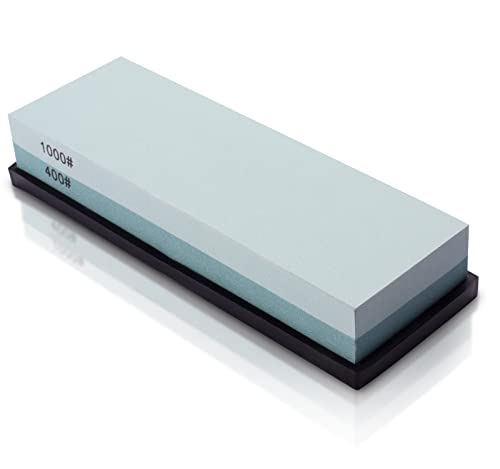
DUAL SIDED SHARPENING STONE: Made from durable silicon carbide(processes and inspections.), this two-sided sharpening block comes with both a 400-grit side, used for returning edges to their original shape, and a 1000-grit side used for smoothing and polishing cutting edges. Corrosion-resistant, heat-resistant, edges, and corners are clearly demarcated

2" x 1 1/4" x 8"

Facial Hair Policies for Male Soldiers
Beyond head shaving requirements, the military enforces equally stringent standards governing facial hair. You must maintain a clean-shaven face while in uniform or on duty, though you may grow a neatly trimmed mustache that doesn’t extend beyond your mouth corners or cover your upper lip line.
Handlebar mustaches, goatees, and beards remain unauthorized unless you’ve obtained a written Exception to Policy. The military grants medical exceptions for conditions like pseudofolliculitis barbae, which disproportionately affects service members with curly hair. You’ll receive temporary exemptions lasting up to twelve months with an approved treatment plan. Recent policy changes have ended permanent religious exemptions that previously allowed Sikh, Norse Pagan, and some Muslim service members to maintain beards for faith observance.
Your grooming standards directly support mission readiness and equipment compatibility. For authorized facial hair like mustaches, maintaining precision grooming with quality trimmers ensures compliance with regulations. Regular maintenance of your grooming tools through proper blade cleaning and oiling prevents dulling and ensures optimal cutting performance. Non-compliance results in on-the-spot corrections and potential punitive action under military regulations.

Multipurpose Trimmer - Perfect for facial hair detailing with the detail & rotary heads; great for any area needing light hair removal such as nose, ear, brow, sideburn, toes, & touch-ups on the neckline

【Versatile Trimming Tool】 Made of high-quality stainless steel, this cordless Ear and Nose Hair Trimmer can effectively and comfortably remove unwanted hair from your nose, ears, eyebrows, beard, and face. One-button design is easy to use and suitable for men and women. Let you show the most confident side anytime, anywhere.
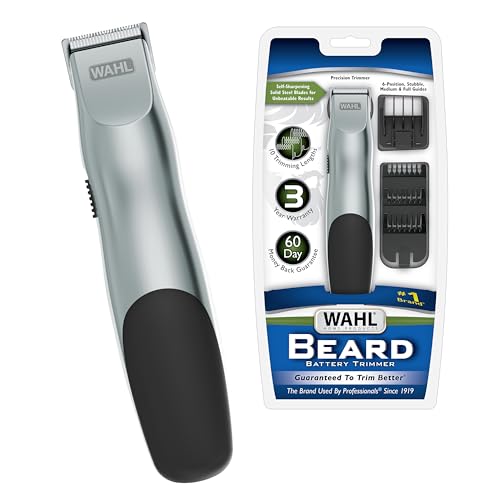
Precision Ground Blades – Our high-carbon precision-ground blades stay sharp longer, use in conjunction with our six-position beard regulator for multiple beard trimming lengths; Our beard guards vary in length from stubble to short and clean, to thick and even
Female Soldiers and Head Shaving Authorization
Female service members now enjoy expanded head shaving authorization that mirrors male counterparts’ grooming flexibility. You can shave or trim your entire scalp without adhering to minimum hair length requirements under updated female grooming standards. This head shaving policy aligns with Ranger School standards, permitting fully shaved heads for both men and women. The authorization took effect in late February alongside the AR-670-1 update, modernizing military appearance regulations. You’re no longer restricted by outdated grooming expectations that previously limited your choices. Whether you prefer a completely shaved head, closely cropped hair, or other authorized styles, you now have genuine autonomy over your appearance while maintaining military standards. To maintain optimal appearance when keeping a shaved head, it’s important to understand proper scalp maintenance techniques for healthy skin and a polished look. Beyond aesthetic considerations, flexible grooming options provide practical benefits including improved hygiene and enhanced confidence in operational settings. These changes were influenced by feedback from female soldiers regarding grooming challenges and operational effectiveness. This policy change recognizes the practical benefits of flexible grooming options for operational readiness and personal preference.
When You Can’t Shave: Medical Shaving Profiles
Medical conditions sometimes prevent you from shaving, and the military recognizes this reality through formal shaving profiles. If you develop pseudofolliculitis barbae (PFB) or similar conditions, your primary care provider evaluates your situation and recommends a profile for medical shaving exemption.
Your commander holds final approval authority and must record the decision electronically within seven days. Single profiles last a maximum of six months, though cumulative profiles can’t exceed 12 months within a 24-month period. Airmen and Guardians who accumulate over 12 months of shaving profiles within a 24-month period will be referred to commanding officers starting February 1, 2026.
During your exemption, you’ll maintain facial hair groomed to one-quarter inch maximum length. The military distinguishes between mild, moderate, and severe PFB cases. Mild-moderate conditions receive temporary profiles requiring frequent follow-ups and active PFB management, while severe cases may qualify for extended exemptions with documented treatment plans and expected recovery timelines. For those managing PFB during initial shaving periods, exploring options like electric razors with integrated beard trimmers can help minimize skin irritation. Keeping your razor properly maintained through regular cleaning helps prevent additional skin irritation during the initial shaving period before your profile takes effect.
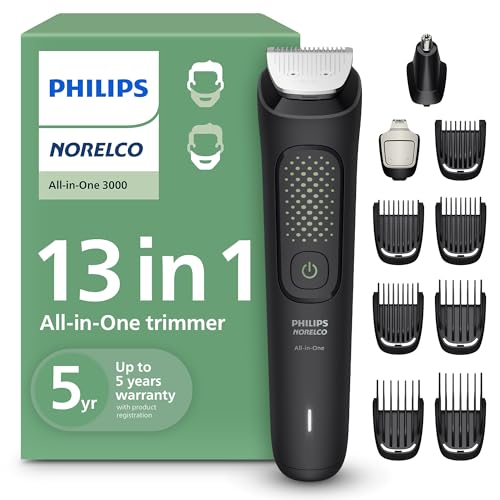
Full Metal Blades: Self-sharpening blades stay as sharp as day one and require no oiling for precise, low-maintenance grooming

PRECISION TRIMMER DIAL with 40 easy to adjust length settings in 0.2 mm steps to craft your beard to an exact length

𝟰-𝗶𝗻-𝟭 𝗠𝗲𝗻'𝘀 𝗚𝗿𝗼𝗼𝗺𝗶𝗻𝗴 𝗞𝗶𝘁- This beard trimmer for men includes 4 heads for hair, beard, body, nose, ear and detail trimming, plus 11 guide combs for controlled stubble, beard and haircut lengths. Switch styles without buying separate tools
How to Request a Medical Shaving Profile
If you’re experiencing shaving-related skin conditions that interfere with military grooming standards, you’ll need to initiate the formal request process with your primary care manager. Your provider evaluates your condition’s severity—mild, moderate, or severe—and documents findings using standardized medical documentation forms like AF Form 469 or DA Form 3349-SG. These forms establish diagnostic criteria distinguishing pseudofolliculitis barbae from simple irritation and outline your treatment plan with expected recovery timelines. Your provider then submits the recommendation to the profile officer for review. Once approved, it advances to your unit commander for final authorization. Service members should book evaluations prior to the January 2026 deadline to ensure their profiles are processed under the new guidelines. To minimize shaving irritation during your profile period, consider holding the razor at a 90-degree angle with a light grip to prevent razor burn and other skin complications. For sensitive skin conditions, electric shavers designed for sensitive skin may provide a gentler alternative that reduces irritation during your profile period. Remember that shaving regulations permit facial hair up to 1/4 inch maximum during your profile period, and you’ll retain documentation for verification purposes.

From the #1 electric shaver brand¹: Shaver 2400 Series gives you a fast, clean shave even on sensitive skin thanks to 27 self-sharpening ComfortCut blades and 4D Flex Heads
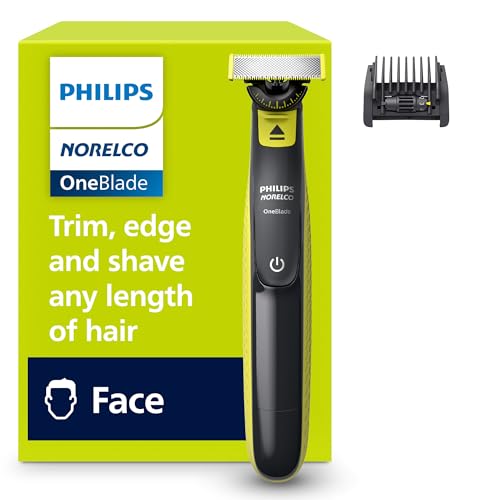
OneBlade Technology: Fast-moving cutter moves 12,000x/min on longer hair; the Dual Protection system with glide coating and rounded tips supports a more comfortable shave

SkinProtect Technology: Achieve a clean, gentle shave with 5D pivot contour and AntiCorrosion Shaving System
Medical Profile Duration and Renewal Requirements
Once your commander approves your medical shaving profile, you’ll operate under strict duration limitations designed to encourage recovery while preventing indefinite exemptions from grooming standards. Single profiles cannot exceed six months, with duration varying by severity. Mild cases permit up to 30 days, moderate-to-severe cases allow 60 days, and severe cases unresponsive to treatment extend to 90 days maximum.
If you accumulate more than 12 months of shaving exemptions within a 24-month period, your commander will refer you for separation proceedings. All profiles issued before March 1, 2025, expired January 31, 2026, requiring reevaluation through your military health care provider. Upon implementation of new guidance, existing profiles expire 90 calendar days after your next periodic health assessment, ensuring regular medical review. For those managing skin irritation during the approval process, consider using double-edge lift and cut blades designed to minimize razor bumps and ingrown hairs, or explore beard trimmers with vacuum technology for mess-free grooming alternatives. The updated medical guidance memorandum emphasizes uniform application of shaving profiles across the Department of the Air Force to maintain consistency in how these profiles are managed and renewed.
Commander Approval and Profile Re-evaluation
Your commanding officer—specifically, the first O-5 commander in your chain—holds final authority to approve medical shaving waivers through an exception-to-policy (ETP) memorandum after you’ve completed an approved medical treatment plan. Your military medical officer provides a written recommendation supporting the waiver decision, which the commander records in ASIMS within seven days.
Commander authority extends to directing profile evaluation as well. If you’re currently holding a shaving profile, your commander will direct you for re-evaluation no later than 90 days from directive publication. During this profile evaluation, your medical provider assesses your current treatment status and determines whether continuation of the profile remains medically necessary, detailing any updated treatment plan and recovery timeline if re-issued. Proper maintenance of grooming standards between evaluations requires consistent application of disinfection methods to ensure equipment used in shaving procedures remains hygienic. For soldiers seeking alternatives during their shaving profile period, SkinSafe technology in modern razors can help reduce nicks and irritation during grooming routines. Soldiers must carry presentable copies of required documentation when in uniform to demonstrate their exemption status.
2025 Grooming Policy Changes Explained
How have military grooming standards shifted in recent years? You’ll notice five significant policy changes reshaping military discipline and appearance requirements. First, the Army eliminated permanent shaving waivers for medical conditions like pseudofolliculitis barbae, reverting to pre-2020 standards. Second, commanders now hold final approval authority over medical shaving profiles, with officers providing written recommendations. Third, the DoD initiated an extensive grooming review across all services, mandating stricter, more restrictive standards than previous policies. Fourth, the Air Force implemented new grooming standards effective January 31, 2026, with updated medical guidance. Finally, revised grooming standards now clarify cosmetics, fingernails, and jewelry regulations across the Regular Army, National Guard, and Reserve, requiring compliance within thirty days. Proper maintenance of grooming tools through regular trimmer cleaning helps service members keep their appearance compliant with these standards. Service members can restore blade performance and extend equipment lifespan using DIY sharpening techniques like applying mild abrasives to remove oxidation. These updates were developed through consensus among representative leaders to eliminate ambiguity and ensure uniformity in how standards are applied across all service branches.

3 Different Styles: the shaver brush is designed for cleaning beard trimmer and electric shaver, 3 different sizes available for detail cleaning, you can choose different sizes according to different situations

NAIL CARE KIT from 3 Swords Germany with professional manicure and pedicure tools. Our sets for home and travel use convince trough highest levels of quality, modern design, durability and German engineering combined with a first class customer service.

VERSATILE DESIGN: Set of 3 professional barber clipper cleaning brushes in black, red, and white colors for comprehensive hair trimmer maintenance