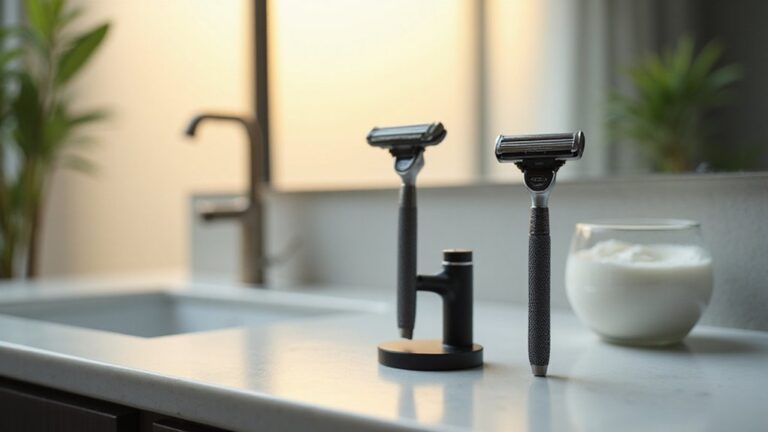
To achieve a smooth shave with a foil shaver, you’ll start by softening your skin with warm water and pre-shave oil. Hold the device at a 90-degree angle, applying gentle pressure rather than force. Use short, controlled strokes against your hair’s growth direction—this technique generates 55,000+ cuts per minute for efficient cutting. Stretch your skin taut with your free hand to lift hairs upright. Finish with cold water and alcohol-free balm to close pores and soothe irritation. Understanding maintenance schedules and troubleshooting techniques will further optimize your results.
Prep Your Skin Before Using a Foil Shaver
Proper skin preparation is the foundation of an effective foil shave. You’ll want to begin with pre-shave cleansing using a gentle cleanser to remove dirt, excess oil, and dead skin cells. Clean skin allows your foil shaver to glide smoothly without interference, enhancing blade contact and cutting efficiency.
Next, focus on hair softening by applying warm water or a hot towel for 2-3 minutes. Heat opens your pores and softens facial hair, allowing your shaver blades to catch hair more effectively without pulling or tugging. You should then apply a pre-shave oil or moisturizer to hydrate your skin and create a protective barrier between the foil and your face. This lubrication prevents irritation and razor burn while enabling smooth gliding across your skin’s contours. Foil shavers feature protective guards that limit blade contact with your skin, making them particularly suitable for sensitive or acne-prone skin. Regular exfoliation removes dead skin cells and promotes better shaver contact with hair. Maintaining proper blade condition and using light pressure during shaving further reduces the risk of irritation and ensures a comfortable shave.


Hold and Position Your Shaver Correctly
To maximize cutting efficiency and minimize skin irritation, you’ll want to hold your foil shaver at a 90-degree angle to your skin surface. This shaver angle guarantees full foil contact and prevents blades from skipping over hair.
Your pressure application matters equally. Apply gentle pressure rather than pressing hard—excessive force causes blade skip and tugging, which irritates skin and reduces cutting performance. Let the shaver do the work.
Use the ergonomic grip to maintain steady control during strokes. Form your hand to enable precise wrist adjustments across facial contours. Simultaneously, gently pull skin taut with your free hand to position low-lying hairs upright for cutting. This technique enhances precision around the jawline and chin while improving overall contact quality throughout your shave. For compatible wet shavers, consider using thin, clear gels rather than thick foams to prevent clogging and achieve closer results. Similar to straight razors, maintaining proper with-the-grain technique on your foil shaver can reduce irritation while improving results. Regular cleaning of your shaver after each use, including removing the foil head and brushing away trapped hair, maintains optimal performance and extends the device’s lifespan.
Use Short Strokes in the Right Direction
Short, controlled strokes form the foundation of effective foil shaver technique. You’ll achieve maximum results by moving the shaver in straight lines—either up and down or left to right—rather than using circular or lateral motions that risk snagging hairs.
Your stroke techniques should emphasize working against the hair growth direction, which allows hairs to poke through the foils for the closest shave. This directional movement attacks hair head-on, maximizing cutting efficiency while minimizing irritation. For sensitive areas like intimate zones, electric razors are specifically designed to avoid grabbing delicate skin more effectively than traditional foil shavers.
Keep strokes short and overlapping as you tackle one small area at a time. Maintain consistent contact between the foil head and your skin throughout each stroke, lifting only after stopping. Apply gentle pressure, letting the shaver’s blades perform the cutting work. To minimize irritation, avoid pressing too hard when working over sensitive areas. These methodical stroke techniques promote complete coverage and prevent missed spots. Regular cleaning and maintenance of your shaver’s blades and foils will help preserve cutting performance and prevent the dullness that naturally occurs with use.

Essential electric shaver for women and girls is designed for shaving sensitive skin on legs

A Safe and Gentle Electric Razor for Women: Experience easy, curve-hugging, smooth shaving with a womens electric razor for bikini area in a reusable, rechargeable design that minimizes skin irritation while reducing disposable waste
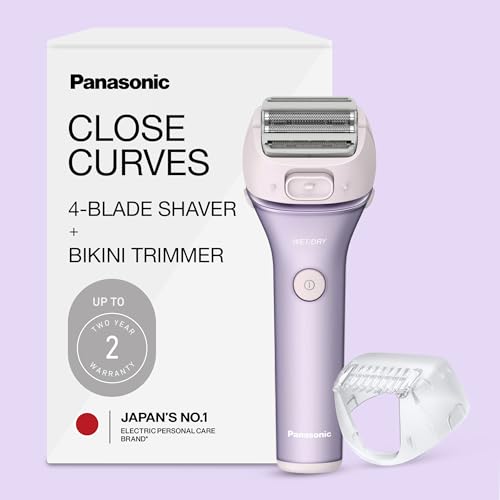
A Safe and Gentle Electric Razor for Women: Experience easy, curve-hugging, smooth shaving with this bikini trimmer for women, featuring a reusable, rechargeable design that minimizes skin irritation and reduces disposable razor waste
Shave Against the Grain for a Closer Cut
While shaving against the grain delivers a noticeably closer shave, you’ll need to weigh this benefit against potential skin irritation. Despite common shaving myths suggesting long-term follicle damage, research shows regrown hair retains its original texture. However, irritation factors remain significant concerns.
Against-grain shaving forces hair upwards for repeated closer cuts, producing a velvet-smooth finish. Yet this technique increases razor burn, redness, and ingrown hair risk. You’ll experience heightened friction drag, particularly problematic on facial areas with sensitive skin.
To minimize irritation, map your stubble direction first using a mirror. Start with-grain, then across-grain before attempting against-grain only if necessary. This methodical progression reduces tugging and bacterial infection risk while maintaining acceptable closeness. For those with persistent sensitivity concerns, consider using a foil shaver designed specifically to prevent direct blade contact with skin. The pubic area has coarse, sensitive skin that requires particularly gentle care regardless of shaving technique. After shaving, rinse with cool water and apply a soothing moisturizer or balm to support your skin’s recovery. Proper preparation and restraint protect your skin’s long-term health.

Skin Friendly Foil System: Dudes, meet your no-yank zone! These grooming beasts rock precision titanium blades with built-in smart sensing tech – bye-bye beard tugging. The floating head design? Lets your portable razor glide like butter on facial contours. Smooth operator status: unlocked

CLOSE, CLEAN SHAVE: 3 blade free floating system follows facial contours for a flawless finish and includes a middle trimmer to cut difficult hairs along with 2x SensoFoil shaving elements for ultimate closeness and skin comfort

ULTRA THIN: Gold titanium foils for zero finishes, ideal even for the most sensitive skin.
Stretch Your Skin for Better Coverage
Stretching your skin is one of the most effective techniques for optimizing foil shaver performance. You’ll achieve superior results by pulling skin taut with your free hand, creating an upright whisker position that improves foil capture and closeness.
Maintain proper tension balance—applying just enough pressure to tighten the surface without over-stretching, which defeats your purpose. Keep your shaver 1-2 inches from your pulling hand to sustain control throughout each pass.
Work systematically in sections, pulling upward on cheeks and downward on the neck. This approach flattens the skin plane, reducing snags and enabling deeper access in contoured areas like your jawline. Consider using an alum block to provide grip and keep your fingers dry during the shaving process. For body grooming applications, foil heads deliver superior nick-free results compared to other shaver types when proper skin stretching techniques are applied. Foil shavers with flexible hybrid foil heads are particularly effective for sensitive areas requiring precision and safety.
Your skin elasticity improves with consistent practice, delivering smoother finishes with minimal irritation and enhanced coverage on coarse hair types.
Maintain Your Foil Between Shaves
Proper maintenance between shaves directly amplifies the skin-stretching techniques you’ve just mastered, ensuring your foil shaver performs at peak efficiency. After each use, you’ll remove hair clippings immediately with soft-bristled cleaning tools, then rinse the foil head under hot water. Air-dry completely before storing in a sealed container.
Weekly, apply manufacturer-approved cleaning spray to eliminate sebum buildup. Release the foil head for thorough access, using compressed air to dislodge stubborn debris. Implement lubrication techniques every 2-3 days by applying light oil or spray lubricant directly to cutter bars. This minimizes friction and reduces heat generation between moving parts. Monthly inspections reveal wear patterns—monitor for skin pulling, decreased shave closeness, or visible foil damage. For deeper cleaning of residue like shaving foam, consider using a vinegar solution to maintain optimal foil condition. Replace foils every 12-18 months under regular usage. Consistent maintenance also helps prevent ingrown hairs that can result from using worn or poorly maintained shavers.
Cleaning immediately post-shave results in 40% fewer issues and prevents buildup that strains the motor, making this habit essential for long-term shaver reliability.

5-IN-1 FUNCTIONALITY: Cool Care Plus offers coolant, disinfectant, lubricant, cleaner, and rust prevention in one convenient spray, perfect for clipper maintenance.

Clipper Cool Spray Can: Top-of-the-line product for blade maintenance to help you achieve professional results when you clip, trim, and groom your dogs, cats, horses, livestock, and more

Blade coolant, disinfectant, lubricant, cleaner and rust pre-treatment expertly packaged into a single, convenient aerosol can
Spot and Fix Pulling, Skipping, and Irritation
Even with meticulous maintenance, you’ll occasionally encounter performance issues that compromise your shave quality. Identifying issues requires systematic assessment. Check your foil and blade condition first—dull cutters cause pulling after 12+ months of use. Verify your battery charge, as low power degrades motor performance. Examine your cutting head for hair and skin buildup that reduces efficiency. For Series 5000 shavers, consider upgrading to premium replacement heads like the SH71 with double-edge Lift&Cut blades for superior cutting performance.
Correcting technique matters equally. Adjust your shaving pressure and direction, moving slowly against the grain using straight, overlapping strokes rather than circular motions. Apply a drop of hand soap to your foils and run the razor for 10-15 seconds to dissolve accumulated oils. For deeper cleaning, consider a vinegar-water soak to remove stubborn residue that impacts performance. Gently tap the foil frame against a basin side to dislodge stubborn debris. Replace worn foils when performance doesn’t improve. Consider using clipper oil or refined mineral oil to enhance comfort and extend the lifespan of your foils and blades.
Soothe and Protect Your Skin After Shaving
Since your skin’s barrier is temporarily compromised immediately after shaving, you’ll want to initiate your post-shave routine within minutes to minimize irritation and prevent complications. Start by rinsing your face with cold water to close pores and relieve razor burn pain. Pat your skin dry gently with a clean, soft towel—avoid rubbing, which further agitates sensitive areas.
Next, apply an alcohol-free aftershave balm within one to two minutes. Massage a pea-sized amount upward from your neck to your face. Choose formulations containing aloe vera, chamomile, or tea tree oil for ideal soothing benefits. Different foil shavers, such as the Braun Series 9 Pro, are designed to minimize irritation through advanced blade technology, but proper post-shave care remains essential regardless of your shaver choice. For best results, allow the balm to absorb into your skin before proceeding with additional products, as premature moisturizer application can trap excess balm and create a heavy residue.
Finally, follow with a lightweight, non-comedogenic moisturizer to support skin hydration and barrier function. Look for moisturizers with hyaluronic acid or SPF to provide enhanced protection and hydration benefits. This methodical approach sustains healthy skin and prevents long-term damage from repeated shaving.
Replace Your Foil Blade When Performance Drops
Your post-shave care routine extends your foil shaver’s performance, but even the most diligent maintenance can’t prevent blade degradation. You’ll notice performance drops before visible wear appears—dullness, difficulty removing residue, and rust signal replacement time. Some Braun models feature cassette indicator lights that alert you automatically.
Your foil lifespan typically ranges from 12 to 18 months, though intensive shaving, coarse hair, and inadequate maintenance accelerate wear. You should replace both foils and blades together, as cutters often outlast foils but paired changes guarantee ideal results. Braun recommends replacement every 18 months, while Philips suggests 12–18 months. For those seeking alternatives, electric razors with integrated beard trimmers provide dual functionality that some users prefer for their grooming needs. Premium trimmer options like the Philips Norelco MultiGroom 7000 combine precise beard grooming with self-sharpening blade technology for extended performance.
You can extend performance through regular oiling and proper cleaning—practices that potentially stretch your shaver’s life to 2–3 years. While DIY sharpening methods like using toothpaste may offer temporary improvements, they cannot replace the need for professional replacements. Monitor replacement indicators closely to maintain your shaver’s cutting efficiency.

【HIGHER QUALITY&SAFETY】 :Replacement Shaving Head & Cutter Blades with Hypo-Allergenic Gold Foil Head with Bump Prevent Technology.Rotects sensitive skin against nicks, cuts, and irritation

Restore pro-level cutting power – Bring your ProFoil back to peak performance with a precision replacement foil and cutter designed for barbers, stylists, and serious groomers who rely on clean, consistent results.

Compatible Replacement Parts: Our replacement foil and cutters are compatible with BaBylissPRO FXFS2G/FXFS2 shaver. You can replace the foil and cutter on the FXFS2G/FXFS2 shaver when it becomes dull
Why Foil Shavers Work Best on Coarse Hair
Coarse facial hair demands cutting power that basic shavers can’t deliver. You’ll find foil shavers excel with thick stubble because their strong motors generate 55,000+ cuts per minute, overcoming natural hair resistance.
The foil design captures multidirectional growth patterns effectively. Varying perforations across each foil let you cut multiple hair types in a single pass. Oscillating blades hidden beneath the thin, perforated mesh lift and cut coarse strands as they emerge through the holes. Sharp, high-quality blades are essential for reducing irritation and nicks while maintaining consistent cutting performance. Professional barbers often prefer models with professional 8,000 rpm motors for demanding shaving tasks that require precision and power.
You’ll experience 30-40% greater efficiency on dense beards, particularly neck areas with flat-lying hairs. The protective foil layer shields your skin while providing deeper precision for thick hair management. Models featuring five synchronized shaving elements deliver enhanced performance for managing the toughest facial hair. You can shave daily without cumulative irritation, making foil shavers ideal for coarse hair removal.