
Your Manscaped razor’s loud noise likely stems from dull blades, hair clogs, blade misalignment, or battery degradation. Dull edges create excessive friction and vibration, while accumulated hair between blades can amplify sound by two to three times. Blade misalignment causes snagging and vibration, and aging batteries force motors to work harder, increasing noise output. Each noise type signals a specific maintenance need. Understanding which cause matches your trimmer’s sound will guide you toward the right fix.
Why Dull Blades Make Your Trimmer Noisy
Blade deterioration stands as the primary culprit behind your Manscaped razor’s escalating noise levels. When you skip blade maintenance, your trimmer’s cutting efficiency declines dramatically. Dull edges struggle to slice hair cleanly, forcing your blades to vibrate inefficiently instead of operating smoothly.
This struggle generates 20-30% more audible friction than sharp blades produce. You’ll notice your trimmer sounds louder as dulled edges tug rather than shear, creating resistance against hair strands. The tugging sensation directly correlates with increased vibration and noise output. Built-in safety features may cause your trimmer to shut off during extended use if overheating occurs from the excessive friction generated by dull blades. Recognizing signs of dullness like tugging and irritation helps you identify when blade replacement is necessary.
Regular blade maintenance prevents this deterioration. Without proper lubrication and cleaning, residues accumulate on your blades, accelerating wear. Most blades require sharpening after 10-20 uses. By maintaining consistent blade care, you’ll restore your trimmer’s quiet operation and ideal cutting performance.

SNAP-IN BLADE MODULE: The snap-in ceramic blade module is compatible with The Lawn Mower 2.0, 3.0, and 4.0 series. When replaced every three months, you can keep your trimmer running smoothly and efficiently. Because it’s light years beyond other trimmers, The Lawn Mower snap-in blade module creates grooming experience like no other.
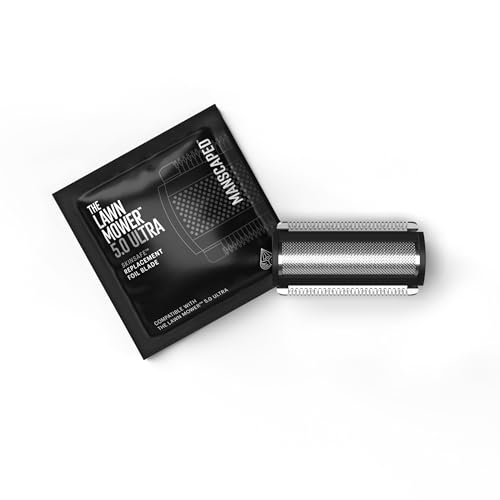
SKINSAFE TECHNOLOGY: The Lawn Mower 5.0 Ultra is equipped with a SkinSafe foil blade to keep your boys in good hands, trim to shave. *SkinSafe technology does not guarantee cut protection.

Adaption Model: Wusuker replacement blade is specially designed for Manscaped The Lawn Mower 4.0 3.0 2.0 models for your convenience.
Hair Clogs Blocking Your Blades and Amplifying Noise
Hair clogs represent a frequently overlooked cause of escalating trimmer noise that you can easily prevent and remedy. When hair accumulates between your blades, it obstructs their movement and forces your motor to compensate, amplifying operational sound by 2-3 times. This blockage causes irregular vibrations, grinding, and high-pitched whines as your blades struggle against trapped debris. Over time, these accumulated particles can also damage internal components if left unaddressed, making regular inspection of internal components essential for maintaining your device’s longevity.
Effective clog prevention starts with regular maintenance. Rinse your blades after each use and dry them thoroughly to prevent hair adhesion. For noise reduction, clean your blades with the provided tool and apply lubrication post-cleaning to minimize friction. If clogs persist, soak the blade assembly in warm soapy water or use compressed air to dislodge fine particles. These straightforward steps restore smooth blade operation and greatly reduce unwanted noise. Maintaining proper hygiene and gentle products during grooming also helps minimize debris buildup that can contribute to mechanical strain on your device.

Specially designed to clean the nooks and crannies of clippers and trimmers
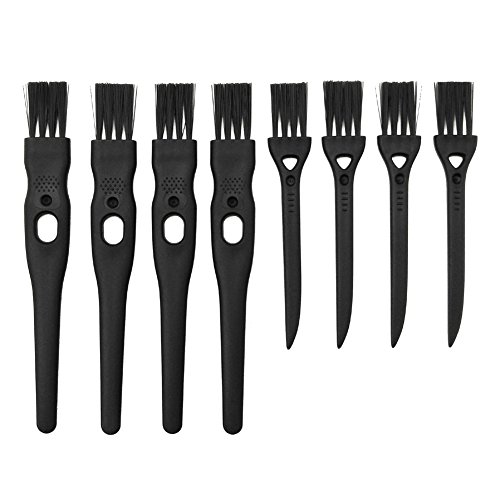
Very convenient to clean shaver / razor.

🍒High Quality Materials: Our shaver brush is made of high quality PP plastic and the brush head is made of high-quality nylon material Durable and sturdy the shaver brush is sturdy and not easy to fall off with good toughness The brush handle is designed with anti slip particles, providing a comfortable grip that will not easily fall off or deform.It can be used for a long time
Blade Misalignment: Why Your Trimmer Vibrates and Sounds Loud
While hair clogs represent one noise culprit, misalignment is another critical factor you shouldn’t overlook. When your Manscaped trimmer’s blades sit unevenly, they generate excessive vibration during operation. Uneven blade exposure on each side causes your device to pull and snag hair rather than cut smoothly, amplifying noise considerably.
You’ll notice this problem intensifies with denser hair that overloads misaligned blades. To address vibration control, manually align your blades before tightening the handle, ensuring consistent gap width. Check your blade tension by positioning the trimmer vertically with teeth upward. Use the adjustment arms to push or pull blades to ideal positioning. Many users find that spending just 10-30 seconds on proper alignment can become a worthwhile part of their grooming routine. This 10-second manual adjustment restores quiet operation and improves cutting performance considerably. Keeping your trimmer waterproof and clean through regular rinsing will also help maintain optimal blade alignment and reduce noise. For sustained performance, remember to apply monthly blade lubrication with oil to prevent additional noise from friction and wear.

Right On the Money - Carry out crisp cuts and clean shaves with our clipper blade alignment tool. It lets you line up a trimmer's razor blade to absolute perfection. No gaps, no wiggles, no nonsense.

Right On the Money - Carry out crisp cuts and clean shaves with our clipper blade alignment tool. It lets you line up a trimmer's razor blade to absolute perfection. No gaps, no wiggles, no nonsense.

Right On the Money - Carry out crisp cuts and clean shaves with our clipper blade alignment tool. It lets you line up a trimmer's razor blade to absolute perfection. No gaps, no wiggles, no nonsense.
Dead Batteries: Why Your Trimmer Gets Noisier Over Time
As your Manscaped trimmer ages, its lithium-ion battery gradually loses charging capacity, causing the motor to slow and noise levels to rise noticeably. Degraded batteries store less energy, forcing the motor to draw increased current when voltage drops below ideal 3.7V levels. This strain produces audible noise and labored operation.
Your charging habits directly impact battery degradation. Frequent short sessions without full drains trigger battery memory effect, worsening power delivery. Instead, fully drain your battery every few months through normal use to enable self-correction cycles. Use only original USB-C cables and adapters to maintain stable voltage. Unplug the trimmer once fully charged to prevent further battery degradation and extend overall device lifespan. Many quality trimmers, including models with 50-minute LiIon battery capacity, demonstrate how proper battery maintenance significantly extends device longevity. A well-maintained trimmer also contributes to the reduced maintenance advantages that come with regular grooming routines.
When voltage measurements fall consistently below 3.7V or the battery expands, battery replacement becomes necessary. This restores quiet, efficient operation and prevents further motor strain.

Fit for Manscaped lawn mower 3.0/2.0 Electric Groin Hair Trimmer, fit for Manscaped Weed Whacker 1.0 (Not fir for Weed Whacker 2.0/3.0)

Safety: This item is up to nationally recognized standards for high-level electronic safety.
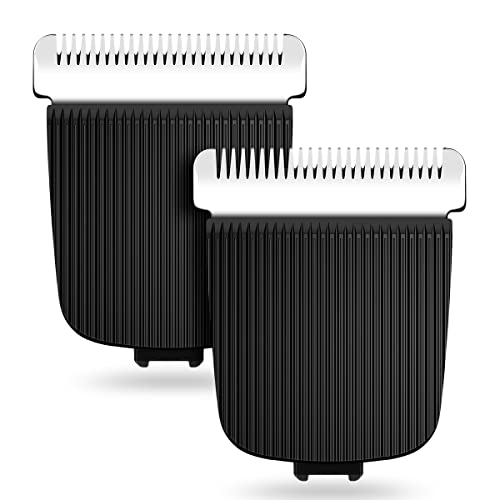
ADVANCED TRIMMER BLADE: Amorka trimmer replacement blade cartridge compatible with Manscaped The Lawn Mower is made of premium material and craftsmanship. Specially engineered replaceable blades help groom mens’ most sensitive regions with confidence.
Diagnose Your Noise: Which Cause Matches Your Sound
Now that you’ve addressed battery degradation, pinpointing the specific noise source becomes your next step toward restoration. Listen carefully to your trimmer’s sound profile. A high-pitched scraping indicates blade misalignment—start with screw adjustment on the side panel to realign components. Rattling sounds suggest loose internal parts or hair debris buildup requiring disassembly and cleaning. Grinding noises point to motor condition problems, often caused by dull blades straining the motor or corrosion from water damage. Dense hair overload produces audible gear strain. To prevent these issues, always use specialized manscaping devices with skin-friendly designs that are built to handle regular grooming demands. Match the noise type to its likely cause: grinding equals motor strain, scraping equals misalignment, and rattling equals internal vibration. Proper blade positioning and protrusion during maintenance, similar to careful trimmer assembly, prevents over-adjustment that could worsen performance issues. Finding the balance during fine-tuning prevents over-adjustment that could worsen performance issues. This diagnostic approach narrows your repair options considerably, saving time and preventing further damage to your device.
Underwater Rinsing and Cloth Wiping to Remove Clogs
Once you’ve pinpointed the noise source, you’ll want to address the underlying culprit: clogged components. Hair and oil buildup create friction that generates excessive sound during operation.
Start by brushing away loose hair before wet cleaning—this prevents clinging debris. Next, perform underwater cleaning by directing water over the trimmer body and detached pieces until hair clippings dislodge completely. This rinsing method effectively removes stubborn accumulation that dry brushing misses.
After rinsing, shake off excess water and wipe all components with a soft cloth. This cloth wiping step removes water spots and residual debris. Air dry pieces fully on a towel before reassembly. For optimal results, allow pieces to air dry completely to prevent rust and ensure all moisture is eliminated before using your trimmer again.
Regular underwater rinsing combined with thorough cloth wiping delivers substantial noise reduction by eliminating clog-induced vibration. To maintain peak performance, apply clipper oil after the trimmer is completely dry to reduce friction and ensure smooth operation. A consistent maintenance approach, similar to proper shaving technique, ensures you maintain peak performance through dedicated care. Implement this maintenance routine after every use for peak trimmer performance.
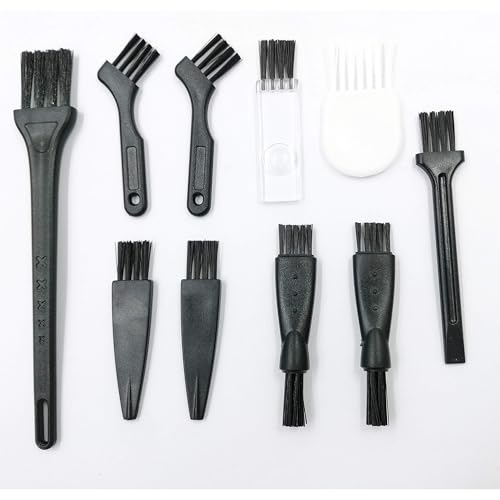

These shaver brushes feature a double-sided design, soft bristles, can be used to remove beard debris and dust, keeping the blades clean so they last longer.

What you get: when get the package, you will have 1 piece of black haircut cleaning brush, 1 piece of black razor brush, 1 piece of black barber cleaning brush and 1 piece of drawstring black storage bag, the various styles and different size will meet your different needs
Tighten the Side Screw for Balanced Blade Pressure
Loose side screws represent a primary culprit behind blade misalignment and the resulting noise problems you’re experiencing. When the side screw positioned at your trimmer’s base loosens, it compromises blade pressure uniformity, causing vibration and rattling sounds during operation.
To address this, unplug your trimmer and remove the blade module by snapping it off. Locate the side screw and use the appropriate screwdriver, turning clockwise until snug. This simple adjustment restores even pressure distribution across your blade assembly, eliminating wobble-induced noise. Ensure the trimmer remains stable throughout the tightening process to prevent accidental damage.
Proper side screw maintenance directly impacts your trimmer’s performance. Unlike straight razors that require stropping for maintenance, electric trimmers need regular screw inspections to maintain optimal function. Models like the Manscaped Lawn Mower series are engineered with ceramic blades designed to maintain consistent pressure when properly maintained. Inspect tightness monthly and re-tighten whenever you swap modules. Avoid over-tightening, which risks stripping the screw. After adjustment, run a test to verify noise reduction. This preventative approach maintains SkinSafe blade alignment while extending your motor’s lifespan.
Oil Your Blades After Cleaning to Eliminate Friction Noise
While tightening your side screws establishes proper blade alignment, you’ll find that mechanical adjustments alone don’t fully resolve noise issues—friction between moving components demands lubrication. Blade lubrication directly addresses the metal-on-metal contact that generates operational noise.
After cleaning and drying your Manscaped razor, apply 2-3 drops of light mineral oil along the blade top—one drop per foil area. This application restores lubricants lost during the cleaning process, particularly after sanitizers evaporate residual oils. Run your device for 5-10 seconds to distribute the oil evenly across all moving surfaces. For optimal results, replace foil and blade parts every 12-18 months to maintain peak performance and minimize noise from worn components.
This targeted noise reduction approach prevents dry blade sounds while simultaneously lowering heat generation. Regular oiling serves as preventive maintenance, extending the lifespan of your grooming tool while maintaining optimal performance. Consistent post-cleaning lubrication maintains smooth blade movement and guarantees quiet, efficient operation every time you use your razor.