To oil your electric shaver, you’ll first disconnect it and remove the shaving head to clear debris. Use light mineral oil like Wahl clipper oil, applying one drop per foil cassette or at the left, center, and right teeth points for clipper-style blades. Position your shaver upright, run it briefly to distribute the oil evenly, then wipe away excess. Daily shavers need oiling after each use, while occasional users can extend intervals. Regular lubrication reduces friction, prevents bacterial growth, and extends blade life by 40%—though there’s more to master about maximizing your device’s performance.
Choosing the Right Oil for Your Shaver
Because electric shavers require specialized lubrication to function at their best, you’ll need to understand the critical differences between suitable and unsuitable oils. Light mineral oils deliver excellent oil benefits by maintaining low viscosity without residue buildup. Wahl clipper oil and Singer sewing machine oil provide effective, affordable options. Food-grade variants suit sensitive skin users.
Avoid high-viscosity oils like coconut, olive, and castor varieties—they clog blades and hinder movement. Skip WD-40 and 3-in-1 multi-purpose formulas entirely. Unlike pre-shave oils for manual shaving, electric shaver oils must prioritize minimal residue to prevent mechanical interference with moving parts. Regular oiling before or after each use helps reduce friction and prevents blade wear. Proper lubrication also prevents fungal and bacterial growth that can develop without adequate maintenance.
For oil alternatives, consider non-oily Teflon lubricants that penetrate effectively without post-shave cleaning issues. Fine machine oil offers budget-friendly maintenance. These lightweight solutions prevent gumming while ensuring proper blade performance, keeping your shaver operating smoothly and efficiently.

Mineral oil 99. 9 %

Replacement lubricating oil suitable for all hair clippers and beard trimmers
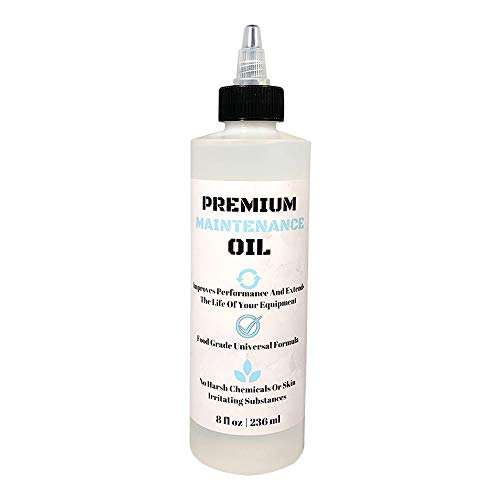
PREMIUM PROTECTION - Protects your cutting equipment from rust and corrosion. Ensuring a prolonged life for your clipper and razor
Prepare Your Shaver Before Oiling
Now that you’ve selected the right oil for your shaver, you’ll need to prepare the device properly before application. Start by disconnecting the shaver from the power outlet to prevent electrical hazards during maintenance. Next, verify the waterproof status by checking for tap or bathtub symbols on the handle. Remove the shaving heads by flicking them upward to dislodge loose hair and debris. Rinse detachable components under water if your model is waterproof, or use a bristle brush for dry cleaning on non-waterproof shavers. These essential cleaning techniques eliminate hair clippings, skin oils, and buildup that compromise performance. For dry shavers that cannot be rinsed, you may also use a cleaning brush to brush out internals and remove stubborn debris. For optimal results, consider performing periodic deep cleans to remove stubborn residue and buildup. Finally, confirm all parts are completely dry using an absorbent towel before proceeding with oiling, as moisture can trap bacteria and prevent proper lubrication from working effectively. Proper shaver maintenance tips like these maximize longevity and effectiveness.
Apply Oil to the Correct Points
Proper oil application requires you to locate the manufacturer’s designated lubrication points, which are typically marked with arrows or illustrated diagrams on your shaver’s blade assembly. For foil shavers, you’ll apply one drop to each outer foil cassette where oil seeps through perforations. For clipper-style blades, use the five-point system, targeting the blade teeth at left, center, and right positions.
Your correct oiling techniques depend on positioning the shaver upright with blades facing downward. Dispense precisely one drop per indicated point—no more than two or three drops across the top blade teeth. These essential lubrication points focus on high-friction areas where the blade interfaces meet, reducing wear and ensuring peak performance. Remove the blade prior to oil application to ensure thorough and even distribution across all designated points. After oiling, run the shaver briefly to distribute the oil and then wipe clean to prevent excess from entering the motor. To maintain optimal results, avoid dry shaving with an improperly lubricated shaver, as this can increase skin irritation and reduce blade effectiveness. Always wipe away excess oil immediately to prevent motor contamination and maintain your shaver’s longevity.

Rust Prevention – Prevents rust from forming & helps extend the life of the clipper & blades; can also reduce the likelihood of blades becoming dull

Stands up whiskers for a closer shave

Oil for Clippers and Trimmers
Run Your Shaver to Distribute the Oil
Once you’ve applied oil to the designated points, you’ll need to run your shaver to distribute the lubricant evenly across all cutting surfaces. Hold your shaver in an upright position and activate it for approximately 5 seconds. This brief operation enables oil activation through the oscillating motion of inner blades, facilitating lubrication flow across the entire cutter length. The mechanical action automatically spreads lubricant through foil perforations without requiring manual intervention. Vertical positioning assures oil flows effectively downward, preventing pooling in unintended areas. Extended operation beyond 5-10 seconds proves unnecessary and risks over-saturation. Once the cycle completes, wipe away excess oil with a soft cloth using gentle patting motions. For electric shavers with magnetic motors, proper lubrication maintains optimal performance and cutting efficiency. Proper lubrication reduces wear and tear on shaver components and ensures a longer lifespan for your device. Regular oiling prevents rust and corrosion that can compromise blade performance and shaver longevity. Your shaver is immediately ready for use.

Highly Effective Cleaning: The kuailaya razor cleaner unique cleaning formula easily breaks down sebum, beard hairs, and cleansing milk on the blades, keeping your shaver clean and fresh at all times.
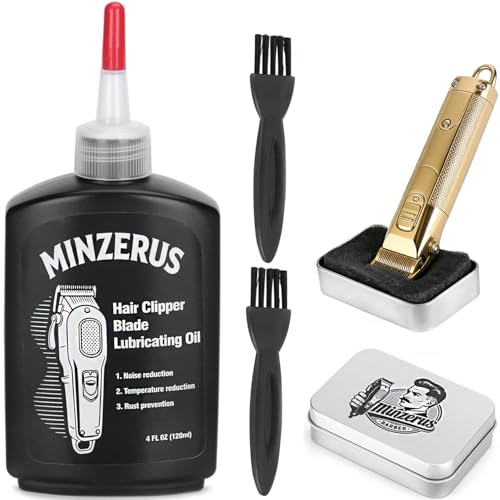
【1x Premium Lubricating Oil】Effectively reduces operating noise and temperature, lubricates internal components, prevents metal part rust, and extends the service life of electric clippers. This mild, skin-friendly mineral lubricant features low viscosity and strong penetration—no compromise to clipper performance during use.

Rust Prevention – Prevents rust from forming & helps extend the life of the clipper & blades; can also reduce the likelihood of blades becoming dull
How Often Should You Oil Your Shaver?
Regular maintenance keeps your shaver operating at peak performance, and establishing the right oiling schedule is fundamental to that goal. Your oiling frequency depends on several factors, including usage patterns and hair type.
Daily shavers should oil after each use to maintain efficiency and prevent blade dulling. If you shave every other day, lubricate every few uses. Weekly shavers can extend intervals to every few months based on debris buildup.
Hair type considerably influences your maintenance schedule. Coarse or thick facial hair clogs blades faster, demanding lubrication every few uses to prevent tugging. Fine hair allows less frequent oiling. Fast-growing hair accelerates debris accumulation, shortening intervals between sessions. For those with coarse beards, more frequent oiling becomes essential to maintain blade performance similar to what premium models achieve.
Environmental conditions also matter—dusty or humid settings require more frequent oiling to prevent rust and wear. Before oiling your shaver, ensure you unplug the device and brush away any loose hair and debris from the blades. For optimal longevity, perform lubrication monthly post-cleaning to maintain blade effectiveness and sharpness.
Common Oiling Mistakes to Avoid
Several critical errors can undermine your shaver’s performance and lifespan, so understanding what to avoid is just as important as knowing the correct oiling technique.
You shouldn’t over-apply lubricant, as excessive oil clogs cutting elements and reduces efficiency. Use only light mineral or clipper oil—never cooking or motor oil, which damage your device permanently.
Always clean your shaver before oil application to prevent residue buildup and motor heating. For proper oil application, apply one drop per foil only, never directly to the cutter block. Oil naturally penetrates through foil perforations without internal saturation. Dirt and debris can greatly reduce lubrication effectiveness and compromise the overall performance of your device. Just as beard conditioning requires proper product selection to maintain hair health, shaver maintenance demands the correct lubricant type to preserve cutting performance.
After applying lubricant, run your shaver for 5-10 seconds upright to distribute oil evenly. Failing to spread lubrication causes friction, heat buildup, and shortened foil lifespan. Wipe excess oil with paper towels to maintain cutting precision, which is essential for achieving clean results similar to proper skin preparation and technique during your shaving routine. Wipe excess oil with paper towels to maintain cutting precision.
Signs Your Shaver Needs Oiling Now
Your electric shaver will exhibit distinct performance indicators when it’s time to apply fresh lubricant. You’ll notice reduced cutting efficiency as friction increases between blades and foils, requiring more passes for a close shave. A grinding sensation during operation signals lubricant deficiency.
Performance degradation accompanies audible changes—louder operational noise and increased vibration indicate dry blade contact. You may experience shaving discomfort through heightened skin irritation, razor burn, and pulling sensations on hairs.
Visual inspection reveals dull foil surfaces lacking their characteristic oil sheen, with accelerated hair residue buildup. Uneven wear patterns on blades become apparent. For optimal results, consider using products with anti-friction technology to ensure comfortable operation. Just as proper technique matters significantly when selecting razors for coarse beards, maintaining your shaver’s lubrication prevents performance decline and maintains peak shaving quality. Regular lubrication after cleaning extends your shaver’s lifespan and maintains optimal performance over time.
Apply lubrication techniques immediately after thorough cleaning sessions, particularly following water-based washing. These systematic lubrication techniques prevent performance decline and maintain peak shaving quality throughout your device’s operational life.

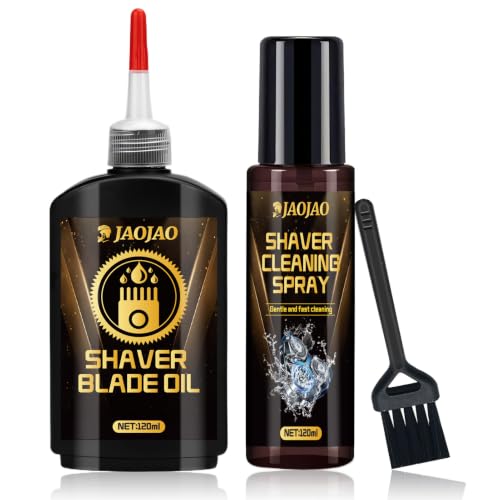
Deep Cleans and Lubricates: Our electric shaver cleaning solution and lubricant with stiff-bristle brush effectively dissolves and removes residue between blades and heads, leaving your razor looking like new.
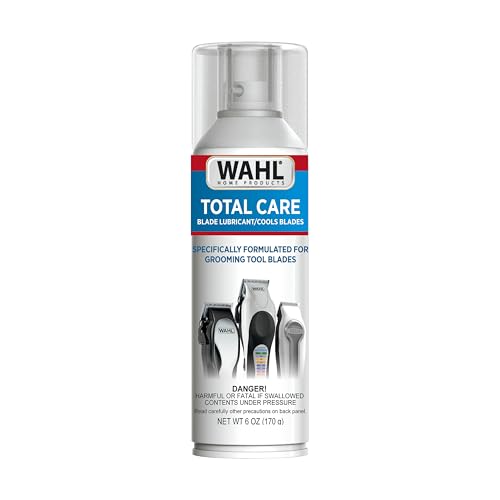
Prolongs Blade Life: Keeps hair clipper and beard trimmer blades lubricated, reducing wear and tear with regular use, extending the lifespan of your clippers and keeping them in top condition.
When Oiling Won’t Fix the Problem
While recognizing the signs that your shaver needs oiling helps you maintain peak performance, you’ll encounter situations where lubrication alone won’t restore functionality. Blade dulling after 18 months of regular use requires component replacement, not additional oil. Accumulated debris trapped in crevices resists standard cleaning, causing performance decline despite your maintenance routine. Motor strain from sticky buildup restricts cutting mechanisms beyond what lubrication can address. Hard water deposits on blades permanently dull sharpness—oil won’t reverse this damage. When your shaver pulls hairs instead of cutting cleanly or produces grinding sounds, worn components need professional servicing or replacement. Unlike cartridge razors with replaceable heads, electric shavers require more complex maintenance when blade technology deteriorates beyond simple lubrication. For female users dealing with leg grooming devices, models like the Braun Epilator Silk-épil 9 Flex offer replaceable components that can extend device life when maintained properly. Replace blades and foil together for optimal performance when mechanical issues persist beyond your cleaning and oiling efforts. These signs indicate your maintenance routine has reached its limits, and continued oiling masks underlying mechanical deterioration requiring decisive action.
Maintain Momentum: Weekly and Monthly Care Routines
Once you’ve identified when oiling alone won’t restore your shaver’s performance, establishing consistent weekly and monthly care routines becomes essential to prevent reaching that point. You’ll maintain peak blade performance by cleaning after every use and conducting deep cleanings weekly, removing oily residues and loose hairs that compromise cutting efficiency. Your cleaning frequency directly impacts lubrication effectiveness—clean components accept oil better and distribute it evenly across blades. Monthly, inspect your blades for wear signs and perform thorough water-and-soap cleaning followed by lubrication. If your shaver supports wet shaving, you can enhance your cleaning routine by using water and soap under running water for more thorough maintenance. To ensure optimal results, gently tap the foil head on a hard surface to dislodge accumulated hair without damaging the delicate foil. Track usage via calendar reminders, noting performance decline after 500 shaves. This systematic approach—alternating between rigorous cleaning and strategic oiling—extends blade life by 40% while preventing debris accumulation that degrades your shaver’s cutting capability. Regular maintenance also reduces risk of skin irritation by ensuring blades remain sharp and the device operates without causing tugging or pulling during each shave.

Deep Cleansing And Lubrication: This powerful 120ml shaver cleaning solution deep into the shaver head, quickly dissolving stubborn stubble, sebum, and residue. The accompanying 120ml lubricant reduces friction between the blades, ensuring a smooth shave. Together, they require minimal maintenance to restore your shaver to its optimal performance
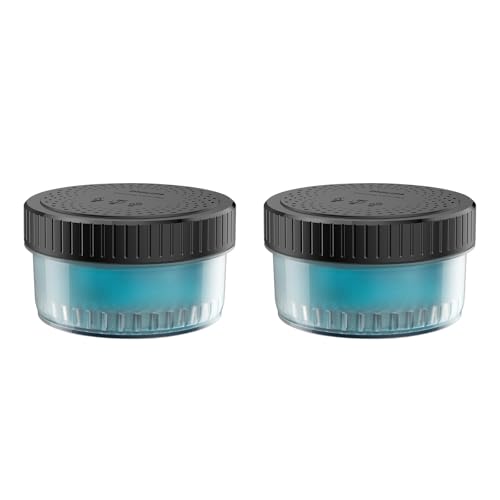
Keep your electric shaver clean, ready to use and performing at its best, with efficient cut hair removal and deep cleaning in just 1 minute thanks to special lubricants

Multi-function Trimmer Cleaning & Maintenance Kit: compatible with shavers, hair clippers, and all types of electric trimmers. Easily removes hair, grease, and dust from the blade head; effectively conditions and protects the blade surface, reduces stalling and wear, and extends the service life of your device.