You’ll prevent neck irritation by preparing your skin with heat and gentle exfoliation to soften facial hair and remove dead cells. Apply quality shaving cream with a brush, then shave with sharp blades in light, overlapping strokes following hair growth direction. Dull blades cause tugging trauma, so change them every 5-7 shaves. Rinse with cold water to reduce inflammation, then apply soothing balm and daily moisturizer containing hyaluronic acid or aloe vera. For persistent symptoms beyond two weeks, consult a dermatologist—though understanding each step’s mechanics reveals why technique matters most.
Prepare Your Neck With Heat and Gentle Exfoliation
Before you’ll want to prepare your neck’s skin and hair through heat application and exfoliation, as these steps greatly reduce irritation and improve shaving outcomes.
Your pre-shave ritual should begin with immersing your neck in warm water or a hot shower for up to three minutes. This hydration softens facial hair and opens pores, facilitating easier blade passage. Apply a hot towel wrung from hot water for 1-2 minutes to further enhance these steam benefits, which cleanse debris and loosen dirt trapped in follicles. For optimal results, consider using a shaving cream with natural ingredients like Pure Shaves to nourish your skin during this preparation phase.
Following heat application, gently exfoliate with a damp washcloth or jojoba bead scrub to remove dead skin cells. This thorough exfoliation lifts surface debris and prevents ingrown hairs and razor bumps. Ensuring your razor is fully charged will provide optimal cutting performance during your shave. For wet/dry electric razors, compatible wet shaving can further enhance comfort and reduce irritation during the shaving process. Use face-specific cleansers with warm water to complete your preparation, ensuring your neck skin’s best receptivity to shaving.

St. Ives Fresh Skin Apricot Scrub is an award winning scrub that deeply cleans your skin and reveals your skin's natural radiance

DEEP CLEAN WITH NATURAL EXFOLIANTS: This delicious face scrub is made with 100% natural walnut shell powder and apricot extracts to remove impurities for fresh, beautiful, glowing skin.

RELAX + REFRESH: Delight your senses and relax at home with this 21.06 oz ultimate exfoliating body scrub from body prescriptions. The “Man Scrub” comes in a large jar with an easy-to-use twist off top.
Choose a High-Quality Shaving Lubricant
A quality shaving lubricant is essential to minimize neck irritation, reduce friction between blade and skin, and facilitate a closer shave. You’ll find two primary options effective for neck shaving: pre-shave oils and shaving creams.
Pre-shave oils like Taconic Organic Pre-Shave Oil protect your skin from razor contact, preventing rashes and bumps while softening stubble for smoother results. These products work by absorbing moisture and helping hairs stand upright, which results in a closer, faster shave with reduced irritation. For sensitive neck skin, you’ll benefit from shaving creams formulated with gentle ingredients—Harry’s Shave Cream ranks best for sensitive applications, while Bevel Shave Cream targets razor bumps with aloe vera and shea butter hydration.
You should select products specifically designed for sensitive skin to guarantee the best protection. Electric razors are less sensitizing because they provide a less close shave, which helps avoid the microscopic nicks and skin cell removal that can result from traditional razors. Regular maintenance of your shaving tools, including brushing away buildup and applying appropriate lubricants, ensures optimal performance and reduces irritation. These lubricants create a protective barrier, allowing your blade to glide smoothly across your neck without causing irritation or inflammation.

INFUSED WITH ALOE: Gillette Sensitive Shaving Gel infused with aloe helps soothe skin during shaving

PROTECT YOUR SKIN – Delivers a smooth, close and comfortable shave

Designed for Sensitive Skin: Vanicream is the #1 Dermatologist-Recommended Brand for Sensitive Skin*. This shaving cream creates a protective barrier between the razor and your skin to deliver a smooth, close, and comfortable shave for both men and women
Lather Your Neck First, Shave It Last
Since your neck skin requires extended hydration time to soften stubble effectively, you’ll want to apply lather to this area before moving to other facial regions. This ideal lather timing strategy accommodates neck sensitivity by allowing prolonged preparation before the blade contacts skin.
By lathering your neck first, you enable maximum softening of facial hair, which reduces tugging and trauma during shaving. The extended contact time permits superior hydration penetration into stubble, facilitating cleaner cuts with minimal irritation risk. Using good lathering shave cream applied with a brush will further enhance moisture retention and protect your sensitive neck area. A single sharp blade will deliver closer shaves with less skin irritation compared to multi-blade systems that can scrape skin layers. For even more precise results on detailed neck work, consider using edge-up trimmers to define your neckline before wet shaving.
Conversely, you’ll shave your neck last in the sequence. This delayed approach guarantees your beard has undergone thorough preparation, allowing your blade to glide smoothly across softened hair. The combination of initial lathering and delayed shaving creates perfect conditions for reducing irritation while achieving precise results on this sensitive anatomical region.
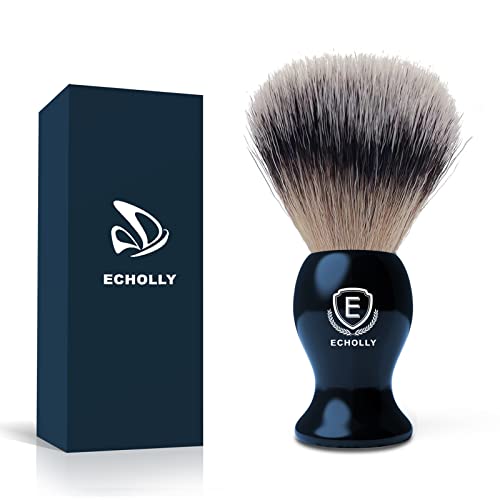
✔️PREMIUM SHAVING BRUSHES WORTH MORE THAN IT COST-Most shaving brushes if the quality is premium, the price always high. Echolly have a simple answer--our shave brush only need half price, but give you a luxury brush. Best Entry Level Shaving brushes for men.


Rich Lather- Create the perfect rich lather with our 100% Natural Badger Brush
Master With-the-Grain Shaving Technique
Now that you’ve prepared your neck with proper lathering and timing, you’ll need to master the directional technique that prevents irritation most effectively: with-the-grain shaving. Begin by performing beard mapping using gentle circular finger motions to identify your unique hair growth patterns. Neck hair often swirls or grows sideways rather than straight downward, so detailed mapping is essential. Execute your initial pass with light, overlapping strokes that follow natural hair growth direction without repeating strokes on the same spot. Resist the urge to achieve perfect results immediately—focus instead on gentle, directional movements. Using a fresh, sharp razor blade ensures you avoid tugging and irritation during these careful strokes. Just as clipper blades require regular oiling and maintenance to function optimally without causing discomfort, your razor must be kept in peak condition. For users with sensitive skin, rotary shavers may offer better skin adaptation and reduced irritation compared to foil models during the across-the-grain passes. For closer shaving, progress to across-the-grain passes after rinsing and re-lathering. This staged approach reduces stubble while minimizing friction and follicle trauma that cause irritation.
Sharp Blades Prevent Neck Irritation
The blade you’ve chosen matters as much as your technique—dull blades force your razor to work harder, requiring additional passes that compound irritation on your neck’s delicate skin. Sharp blades produce tapered hair tips, preventing ingrown hairs and follicle inflammation that dull edges inevitably cause.
Your blade maintenance strategy directly impacts shaving outcomes. Change blades after 5-7 shaves to maintain peak sharpness and reduce post-shave irritation. Fresh blades enable close shaves without excessive cutting force, minimizing follicle damage. Consider using a single blade safety razor to further reduce the risk of overshaving sensitive areas like the neck. For those seeking electric options, models with zero-gap capable blades offer precision without the pulling that can irritate sensitive neck skin. Pairing your blade choice with a soothing shave gel designed for sensitive skin can further minimize irritation and inflammation.
Regarding razor selection, prioritize low cutting-force designs with ideally spaced blades. High-quality, sharp razors paired with frequent blade changes allow smooth gliding across skin. This combination—proper blade maintenance and strategic razor selection—enables irritation-free neck shaving without redness or razor burn.
Rinse Cold and Apply Soothing Balm
After you’ve completed your shave with sharp blades and proper technique, cold water becomes your next line of defense against neck irritation. A cold rinse immediately contracts your blood vessels, closing open pores and reducing inflammation. This physiological response tightens skin, minimizing redness and puffiness while calming irritation from razor exposure. Cold water closes pores after shaving, further preventing red bumps and ingrown hairs that commonly develop on the sensitive neck area.
Following this cold rinse, apply a soothing balm to your neck. The balm works synergistically with the cold water’s tightening effects, enhancing hydration and preventing post-shave discomfort. As your blood vessels expand after constriction, improved capillary flow delivers oxygen and nutrients to compromised skin. The balm’s occlusive properties retain natural oils while soothing reactive areas prone to flare-ups. For those with particularly reactive skin, choosing a razor specifically designed for sensitive skin, such as electric foil razors, can further minimize irritation before the balm application step. Holding your razor at a 90-degree angle with a light grip will also help reduce neck irritation during the shaving process itself.
This two-step protocol—cold rinse followed by balm application—significantly reduces irritation, razor burn, and razor bumps on your sensitive neck area.

COOLING POST SHAVE BALM: Men's after shave balm helps cool and soothe skin after shaving; The extremely unique cooling effect helps close facial pores and comfort skin

What It Does: This light, fast-absorbing men's aftershave lotion is packed with powerful ingredients. Calms, hydrates, and protects your face and neck. Won't clog pores or irritate skin.

Helps protect skin from shaving irritations
Moisturize Daily to Prevent Shaving Rash
Moisturization serves as your skin’s critical defense against post-shave irritation and rash development. When you shave, you strip away natural oils that protect your skin’s barrier, leaving it vulnerable to dryness and sensitivity. Incorporating moisturization into your daily routine prevents razor burn, ingrown hairs, and breakouts.
Apply moisturizer immediately after patting your neck dry to maximize hydration when your skin’s receptive state peaks. Choose products containing hyaluronic acid, shea butter, or aloe vera, which hydrate without causing congestion. These ingredients strengthen your skin barrier and support healing from micro-cuts. A daily face moisturizer is recommended for general facial care to maintain optimal skin health.
The moisturizing benefits extend beyond immediate comfort—consistent daily application maintains your skin’s moisture balance, reduces long-term irritation risk, and guarantees future shaves remain smoother. Regular maintenance and cleaning of your electric razor with proper lubricant oil application ensures the device operates smoothly without tugging or causing additional irritation. Electric shavers designed for sensitive skin care can further minimize irritation by cutting hair at the skin surface rather than tugging follicles, complementing your moisturization routine. This preventative approach eliminates the need for reactive treatments later.
Know When to Call a Dermatologist
While most shaving-related neck irritation resolves with proper home care, you shouldn’t ignore persistent or worsening symptoms that signal you need professional evaluation. Contact a dermatologist if irritation lasts beyond two weeks or worsens despite consistent moisturizing and proper technique. Watch for dermatologist signs including oozing, blistering, or honey-colored crusting—indicators of infection requiring expert diagnosis. Rashes affecting sensitive neck areas that spread rapidly or don’t respond to OTC treatments within 3-5 days warrant specialist attention. Accompanying symptoms like fever above 100°F, swelling, or red streaks demand immediate evaluation. Underlying skin conditions such as eczema, psoriasis, or contact dermatitis often masquerade as simple shaving irritation. Using trimmers with sharp, quality blades and proper technique can help prevent many of these complications from developing in the first place. Learning your hair growth pattern and shaving with proper technique can help prevent many of these complications from developing in the first place. Annual skin checkups can help identify recurring irritation patterns and prevent future complications. Professional assessment prevents complications and identifies appropriate treatment options beyond basic home remedies.