You’re weighing aesthetic preferences against documented health risks. Shaving your balls increases STI transmission odds nearly twofold and injury rates considerably—25% of groomers report injuries, with scrotum trauma accounting for 67% of cases. Micro-tears from razors create infection entry points. However, trimming instead of shaving markedly reduces these risks. If you’ve got immunocompromise, active skin infections, or clotting disorders, you’ll want professional medical guidance first. The specifics of safer techniques deserve closer examination.
Should You Shave Your Balls? The Health and Preference Debate
Why does pubic grooming carry such contradictory health implications? You’ll find that grooming preferences and health implications create a complex decision landscape. Research reveals paradoxical findings: while grooming can reduce bacteria trapping and improve sensitivity, it simultaneously increases STI risk nearly twofold, with extreme grooming elevating risk fourfold for herpes and HPV. Shaving causes micro-tears and cuts that create infection entry points, yet 76% of U.S. adults still groom pubic hair. Your grooming preferences reflect aesthetic desires and partner expectations rather than medical necessity. The evidence shows no actual medical benefits justify removal, while injury rates have risen substantially. For those seeking to groom, specialized tools like body hair trimmers designed for sensitive areas can minimize the risk of cuts and irritation compared to razors. Regular maintenance of grooming tools, including proper blade oiling and cleaning, helps reduce friction and prevents pulling that can cause additional skin damage. Body image concerns linked to grooming decisions can lead to anxiety and depression if individuals feel pressured by cultural perceptions rather than making autonomous choices. You must weigh personal comfort against documented health risks when making this decision.
Medical Red Flags: When to Skip Grooming
Several medical conditions warrant a cautious or modified approach to pubic grooming due to substantially elevated infection and bleeding risks. If you’re immunocompromised from diabetes, chemotherapy, or other conditions, you should trim rather than shave or wax to minimize microtears that create bacterial entry points. Active skin infections like herpes or folliculitis demand delayed grooming until resolution occurs. You must consult your healthcare provider before grooming if you’re taking anticoagulants or have clotting disorders, as lacerations can become severe. With grooming precautions essential, those with eczema or psoriasis should seek dermatological guidance beforehand. Finally, avoid all grooming methods during post-surgical healing phases. To prevent irritation and complications, gently exfoliate a few days prior to any grooming to reduce the risk of ingrown hairs or razor burn on sensitive skin. For added protection, consider using rechargeable trimmers with 360-degree flex blades to minimize skin irritation while grooming. Research indicates that frequent grooming correlates with higher risks of sexually transmitted infections, making awareness of your sexual health status equally important when considering grooming practices. Understanding infection awareness regarding your specific medical status protects you from preventable complications.
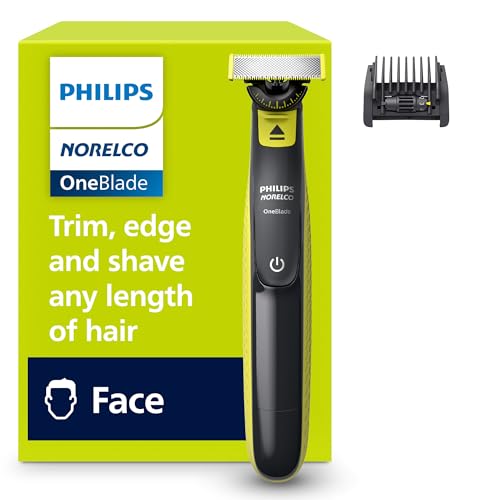
OneBlade Technology: Fast-moving cutter moves 12,000x/min on longer hair; the Dual Protection system with glide coating and rounded tips supports a more comfortable shave

OneBlade Technology: Fast-moving cutter works 12,000x/min on longer hair; Dual Protection with glide coating and rounded tips supports comfortable grooming

OneBlade Technology: Fast-moving cutter works 12,000x/min on longer hair; Dual Protection with glide coating and rounded tips supports comfortable grooming
Why Grooming Peaks Before Sex: Motivations and Social Pressure
Most men who groom their pubic hair do so specifically in preparation for sexual activity, with 73% reporting this as their primary motivation. You’re markedly more likely to groom if you’re sexually active 1–3 times weekly, with research showing a 1.49 odds ratio for grooming behavior in this group. Beyond sexual function, grooming motivations center on aesthetics—72% cite wanting a neater, cleaner genital appearance. Social pressures amplify these grooming motivations considerably. Younger men experience heightened pressure, particularly those aged 34–44, where scrotal grooming peaks at 72%. Online pornography and mainstream social media platforms like YouTube and Instagram normalize male pubic hair removal, shaping expectations about genital presentation. When selecting tools for grooming, options like waterproof pubic hair trimmers designed specifically for sensitive areas can help reduce the risk of injury during the process. For those seeking an alternative approach, foil shavers offer synchronized cutting elements that provide smooth results on sensitive skin without irritation. Safe grooming practices are not commonly part of sexual education, leaving many men without guidance on injury prevention during the process. Consequently, you’re guiding both personal preferences and culturally reinforced standards when deciding whether to groom.

Multifunctional Body Grooming Kit: This men's hair trimming kit features 7200 RPM high-performance motor, which delivers powerful trimming performance and precision trimming close to the skin. It works effectively on the chest, underarms, back, arms, legs and pubic hair, meeting all your daily grooming needs with ease.
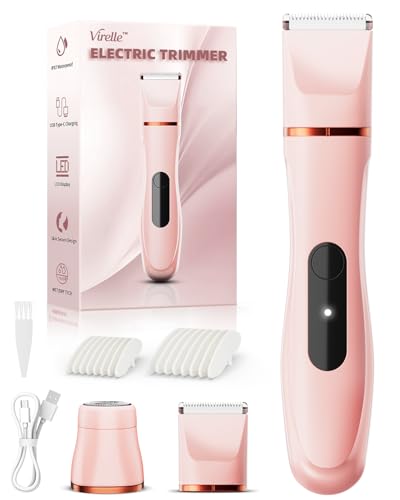
2-in-1Electric Razors for Women- This women's electric shaver comes with 2 interchangeable heads for ultimate versatility. The standard head allows for quick, precise trimming of larger areas like the bikini zone, underarms, legs, and arms. The shaving head delivers ultra-smooth results—perfect for gentle facial hair removal. A shaver specially designed for women, ensuring perfectly smooth skin.

NO BURNS. NO BUMPS. NO BS: Forget the fear of nicks. Our ceramic blade trims just above the skin—no irritation, no redness, no razor burn, and no ingrown hair. It’s smooth sailing from top to below the belt.
The Hidden Risks: Nicks, Infections, and STI Vulnerability
While grooming your genitals offers aesthetic and sexual benefits, you’re exposing yourself to a spectrum of physical and health risks that escalate with frequency and technique. Grooming statistics reveal that 25% of male groomers sustain injuries, with the scrotum accounting for 67.2% of cases. These nicks create entry points for infection, and you’ll face nearly double the STI odds compared to non-groomers. High-frequency practitioners removing all pubic hair 11+ times annually demonstrate 2.98 adjusted odds ratios for recurrent injuries. For infection prevention, understand that herpes and HPV risks elevate up to fourfold in extreme groomers. Using a high-quality shaving soap with proper slickness and cushion can help minimize nicks and irritation during grooming. Electric razors with floating foil technology and rounded trimmer tips offer gentler alternatives that reduce the risk of cuts and tugs on sensitive genital skin. The CDC reports that STIs reached an all-time high in the U.S. last year, underscoring the critical importance of minimizing grooming-related vulnerabilities. Medical intervention becomes necessary in 1.4% of cases, particularly when others perform grooming or you groom while lying supine.

Safe and Efficient Trimming: PRITECH razors for men uses ceramic blades with built-in protection. On the surface where the blade contacts the skin, we have implemented a chamfered design, ensuring that it never cuts, pulls, or irritates the skin, and guarantees efficient hair trimming. This body trimmer for men equipped with 3 adjustable comb attachments and 5 lengths (1.5mm, 3mm, 6mm, 9mm, 12mm), it meets your diverse trimming requirements
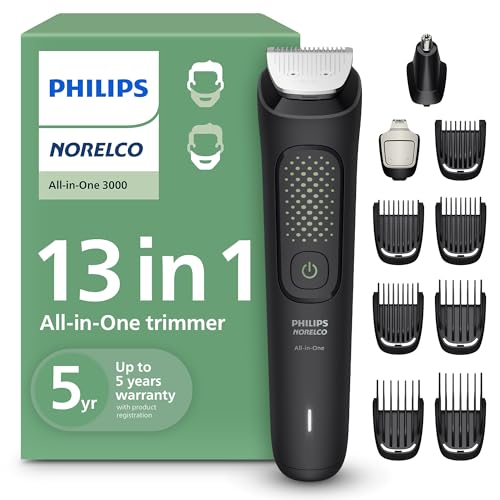
Full Metal Blades: Self-sharpening blades stay as sharp as day one and require no oiling for precise, low-maintenance grooming

Body, Pubic, Groin&Bikini- OLOV trimmers were designed for below-the-waist grooming but work great on your not so private parts too
Preventing Injury: Safe Shaving Techniques Before You Start
Given the injury risks you’ve just learned about, implementing proper preparation and technique becomes your best defense against nicks, infections, and complications.
Your safety techniques begin with preparation. Trim hair first using a 3-4mm attachment, then take a hot shower to soften both hair and scrotal skin. Thorough washing guarantees a clean surface for product application. Regular maintenance of your trimming equipment, such as cleaning clippers after every 2-3 uses, prevents bacterial and fungal growth that could cause infections. Ensuring your trimmer is fully charged will optimize its cutting performance and reduce the need for repeated passes.
For skin preparation, apply a non-foaming shave cream or butter to improve visibility and blade glide. Use only fresh, sharp, high-quality blades—dull razors increase injury risk considerably. A translucent shave butter like Dr. Carver’s provides superior lubrication for sensitive areas.
During shaving, employ proper technique: stretch skin gently by hand to create a flat surface, use short controlled downward strokes following hair growth direction, and apply minimal pressure. Work methodically from top to bottom, rinsing your blade frequently. This deliberate approach considerably reduces trauma to sensitive tissue.

CLASSIC PROTECTION: Helps protect your skin against shaving irritation, cuts, nicks, and stinging with Gillette's classic formula

PROTECT YOUR SKIN – Delivers a smooth, close and comfortable shave
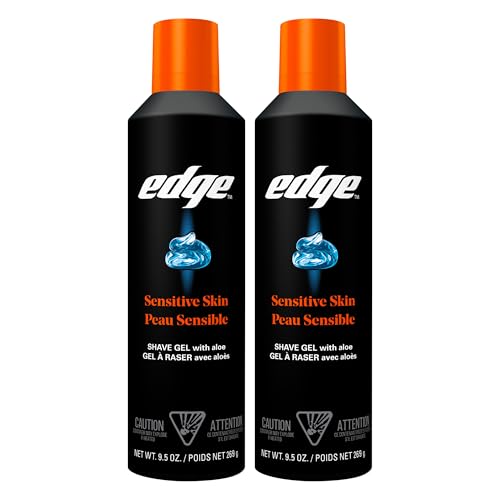
SENSITIVE SKIN PROTECTION: With Edge sensitive skin shaving cream for men, enjoy protection from nicks and cuts thanks to its effective formulation
Electric vs. Non-Electric Razors: Which Reduces Risk?
How you choose your shaving tool fundamentally affects your injury risk in this sensitive area. Electric razor benefits include a perforated foil design that separates blades from your skin, dramatically reducing nicks and cuts. The undercutter mechanism requires only one pass plus minimal touch-ups, decreasing irritation from repetitive strokes. Electric razors operate with battery-powered oscillating blades that utilize skin’s elasticity by pressing down to expose hair for cutting.
Manual razor drawbacks stem from multi-blade configurations that snag elastic scrotal skin easily, necessitating three to four passes and higher infection risk in sweaty environments. Direct blade-to-skin contact causes persistent post-shave aggravation and razor burn on delicate tissue. Similar to professional grooming techniques that employ repeated passes with adjusted taper levers to achieve smooth blending, manual shaving requires multiple strokes that compound irritation risk. After shaving, applying moisturizing aftershave lotion can help soothe freshly shaved skin and reduce irritation in this sensitive area.
Electric models with ceramic blades offer superior protection compared to stainless steel alternatives. While manual razors achieve closer results, they demand careful skin stretching and carry substantially greater injury potential. Electric razors prioritize safety without sacrificing reasonable effectiveness.

Ultra-Portable Grooming, Anywhere: Electric shavers for men, sized at 2.44" × 1.28" × 3.16", fit effortlessly in pockets or toiletry bags. The travel lock prevents accidental activation, making them ideal for business trips, daily commutes, and vacation essentials.

Skin Friendly Foil System: Dudes, meet your no-yank zone! These grooming beasts rock precision titanium blades with built-in smart sensing tech – bye-bye beard tugging. The floating head design? Lets your portable razor glide like butter on facial contours. Smooth operator status: unlocked

LED Display & Dual Speed: A built-in LED screen displays remaining battery level at a glance, eliminating guesswork that leads to mid-shave power loss. Paired with 2 selectable speed modes, this electric shaver adapts to different needs: the lower speed provides a gentle pass for sensitive skin, while the higher speed drives through thicker growth
STI Prevention: How to Groom Without Increasing Your Risk
The relationship between pubic grooming and STI risk isn’t straightforward—research shows no significant association between recent grooming and new STI diagnoses, yet grooming frequency correlates with higher lifetime STI prevalence. STI statistics reveal that extreme groomers removing all pubic hair more than eleven times yearly face four times higher STI risk, particularly for herpes and HPV.
To minimize risk, adopt conservative grooming techniques. Limit frequency to fewer than six annual sessions. Use electric razors over non-electric alternatives, as they reduce skin microtrauma and barrier disruption. Electric clippers with powerful electromagnetic motors offer superior precision while minimizing the risk of nicks and cuts. To maintain your grooming tools in optimal condition, ensure you clean the foil head regularly by removing accumulated hair and residue. Maintain consistent hygiene protocols and inspect for cuts or abrasions before grooming. A cross-sectional study of 314 participants at an urban STI clinic found that anal grooming was specifically associated with rectal STI risk in gay and bisexual men. Recognize that grooming frequency likely serves as a marker for increased sexual activity rather than a direct causative factor. Behavioral modifications—including safer sexual practices and regular STI screening—remain more protective than grooming abstinence alone.
Post-Shave Care: Stopping Infection Before It Starts
While you’ve taken care to shave safely, your work isn’t finished—the minutes and hours immediately following shaving represent a critical window for infection prevention. Apply moisturizing lotion immediately after shaving to seal micro-tears and reduce bacterial entry points. Select post shave products formulated specifically for sensitive areas, prioritizing hydrating creams and lotions without irritating ingredients. These products simultaneously reduce itching and create a protective barrier against pathogens. For enhanced infection prevention, use shave gels or creams designed for sensitive skin during application, then follow with appropriate post-shave moisturizers. Consider using products with anti-friction technology to further minimize irritation during the healing process. Avoid tight clothing and friction that could compromise your freshly shaved skin. Wearing breathable underwear allows proper air circulation, further minimizing infection risk during this vulnerable recovery period. Tools like the Philips Norelco Bodygroom 7000 are specifically designed with flexible hybrid heads and nick-free technology to reduce the micro-tears that can lead to infection in the first place. To further protect against folliculitis development, maintain skin cleanliness by using clean washcloths and towels and changing them regularly after shaving.
Who’s Actually Doing It: Trends Across Age, Orientation, and Status
Across what demographics does pubic hair grooming actually occur? You’ll find significant variation based on age, sexual orientation, and socioeconomic status. Peak grooming prevalence reaches 73% among men aged 25-34, declining steadily with each decade. Gay and bisexual men report 76.5% lifetime removal compared to 44.6% among heterosexual men—nearly three times greater odds. Sexual activity correlates strongly with grooming practices, suggesting cultural influences shape intimate hygiene decisions. Younger men consistently demonstrate higher grooming rates than older counterparts, while socioeconomic factors produce statistically significant differences. In particular, 81.1% of groomers handle removal themselves, though 29.3% of professionals seek professional services. For those considering electric options, double foil shavers offer an efficient alternative to traditional methods. The most common removal method remains shaving, used by approximately 76% of respondents in the past month. For sensitive skin areas, razors with lubricating strips can help minimize irritation during grooming. These grooming demographics reveal how age, orientation, and social standing intersect to influence your personal grooming choices.