You’ll want to assess your scalp’s sensitivity first, then choose between electric clippers or manual razors based on your comfort level. Prep by drenching your scalp in warm water, applying shaving cream generously, and trimming long hair with a low guard. Shave with the grain using gentle, short strokes, then against the grain for closeness. Finish with cool water, pat dry gently, and apply soothing aftercare products with SPF protection. The specific techniques for each step will help you achieve ideal results.
Is Your Scalp Ready? What to Expect Before You Start
Before you pick up clippers, you’ll need to prepare your scalp properly to minimize irritation and guarantee a smooth shave. Start by evaluating your scalp sensitivity—if you have reactive skin, apply a pre-shave oil or balm beforehand.
Next, drench your scalp in a warm shower to open pores and soften your epidermis. This preparation is especially important if you’re shaving during active hair growth stages. Follow with gentle exfoliation to minimize inflammation risk, then moisturize to replace natural oils lost during the process. Like beard oil and conditioner, scalp moisturizers help hydrate and soften your skin before grooming.
Apply a hot towel wrap for 2-3 minutes to further soften your scalp. Multiple blades in your chosen razor will distribute pressure more evenly across your scalp, reducing friction and skin trauma during the shaving process. To maintain your clippers in optimal condition and ensure hygiene throughout the process, remember to disinfect with isopropyl alcohol after each use. Finally, seal moisture with aloe vera, creating a protective barrier. These steps guarantee your scalp is conditioned and ready for the shaving process ahead.
Choose Between Electric Clippers and Manual Razors
The foundation of a successful head shave rests on choosing the right tool for your needs and scalp type. Electric vs. manual options each offer distinct advantages worth considering.
Electric clippers provide speed and gentleness, particularly beneficial if you’ve got sensitive skin. They eliminate prep work and deliver consistent results with minimal irritation. However, you’ll sacrifice closeness and face higher upfront costs alongside razor maintenance requirements. Electric shavers require no shaving cream or gel, making them even more convenient for your routine. For those seeking maximum comfort and speed with dense facial hair, advanced electric shavers with 40,000 cutting actions per minute can significantly enhance performance.
Manual razors deliver closer shaves with precision control, making them ideal for detailed styling. They’re initially affordable but demand careful technique to avoid nicks and cuts. You’ll need regular blade replacements and shaving products, increasing long-term expenses. For sensitive scalps, consider models with hypoallergenic blades designed to minimize irritation while maintaining shaving effectiveness.
Evaluate your lifestyle and scalp sensitivity. Test both options to determine which delivers the comfort and results you want for your head-shaving routine.
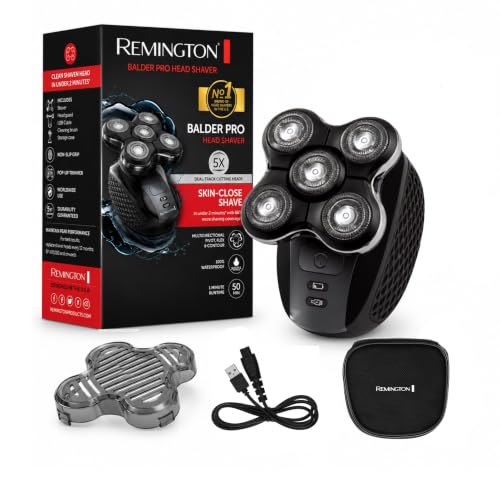
FAST, SMOOTH HEAD SHAVE IN MINUTES: Shave your entire head in under 2 minutes with 5 Dual Track rotary blades designed for maximum coverage and fewer passes. Get a fast, even, barbershop-smooth result at home.

SMOOTH SHAVE - Experience the number one benefit of this electric razor for men: a smooth shave. This high-quality electric shaver is designed for wet or dry use, with or without shaving cream. Its waterproof construction makes it extremely durable and shower-safe, perfect for grooming your head, body, and sensitive areas. The cordless design and long battery life, charged via rapid USB, provide ultimate convenience for travel.

7D Flexible Floating Head System: Multi-angle rotating heads adapt to head contours with rounded blade edges designed for skin comfort, featuring a larger shaving area compared to traditional rotary shavers based on internal laboratory testing compared to basic 7-head shavers
Prep Your Scalp: Warm Water, Trim, and Shaving Cream
Proper scalp preparation determines your shaving success, and it all starts with warm water that softens your hair and opens your pores for a smoother, easier shave. Apply hot water liberally for several minutes using a shower or hot towel to hydrate your skin thoroughly.
Next, wash your scalp with gentle shampoo to remove oil and dirt, preventing razor clogging and reducing irritation. Trim long hair with clippers using a low guard attachment, which eases gliding and prevents bulk from interfering with your final shave. For best results, use a soothing compress to further soften the hair before you begin shaving. Remember to oil your clippers with clipper-specific oil before trimming to reduce friction and prevent pulling.
Finally, apply a generous layer of shaving cream and whip lather with a brush for 30-90 seconds. Consider using a safety razor for a gentler shave that reduces irritation, razor burn, and ingrown hairs through single-blade precision. This cushioning layer helps your blade follow your skull’s contours smoothly. These shaving techniques create ideal conditions for a close, comfortable head shave.

REFRESH AND REVIVE: Packed with curated ingredients including honey and bee pollen to satisfy the most stringent of skincare needs, our shave cream boasts a light, fresh, fragrance and an even lighter, yet effective feel. It ensures your razor glides effortlessly and evenly while leaving nothing but touchably soft and moisturized skin behind.

Razorless Cream Shave for Bald Heads: The best way to get rid of razor bumps is to get rid of the razor! Our depilatory cream features a light fresh scent, works in 4 minutes and lasts for 4 days.

MADE FOR HEAD SHAVING – Specially developed for bald men and head shavers, creating a slick shaving surface for a smooth, comfortable shaving experience.
Shave With the Grain First, Then Against for Closeness
Now that you’ve prepared your scalp, you’re ready to begin the actual shaving process—and getting your technique right will determine both comfort and results. Start with the grain using gentle, short strokes and minimal pressure. This shaving technique minimizes irritation reduction by cutting hair at the skin’s surface rather than pulling it up. Follow your scalp’s natural growth direction systematically across all regions, reapplying cream between sections. For best results, consider using a soothing shave gel like those specifically formulated for head shaving to reduce irritation during this first pass.
After completing your first pass, perform a second pass across the grain with horizontal strokes for closer results. This intermediate step balances closeness with safety, reducing friction and irritation risk compared to against-grain shaving. Use light pressure and fresh foam throughout. For optimal results, consider using dermaplaners or trimmers designed for precise hair removal to complement your shaving technique. To ensure accuracy before shaving, take time to map your beard by examining growth direction with a mirror and gliding your hand across facial hair to identify smooth and resistant areas. Reserve against-the-grain passes only for stubborn areas if absolutely necessary, as this risks ingrown hairs and follicle damage.
Aftercare for Your Freshly Shaved Head
Once you’ve completed your final pass, you’re not finished—what you do in the minutes and hours following your shave greatly impacts comfort, skin health, and your scalp’s appearance. Start by rinsing with cool water to close your pores and reduce irritation. Gently pat your scalp dry, avoiding rubbing that might irritate sensitive skin.
Apply an aftershave gel or soothing oil to calm inflammation and prevent razor bumps. Establish a consistent moisturizing routine using high-quality scalp-specific products immediately after showering when your skin’s most receptive. For additional protection against irritation, consider applying a cold compress or specialized balm with aloe vera if razor burn occurs. Many people report that proper aftercare contributes to increased confidence by maintaining a healthy, comfortable scalp appearance. Don’t neglect sun protection—apply broad-spectrum SPF 30 sunscreen daily or wear a hat, as your exposed scalp burns quickly. These immediate and ongoing aftercare steps promote ideal healing and maintain your scalp’s health long-term.
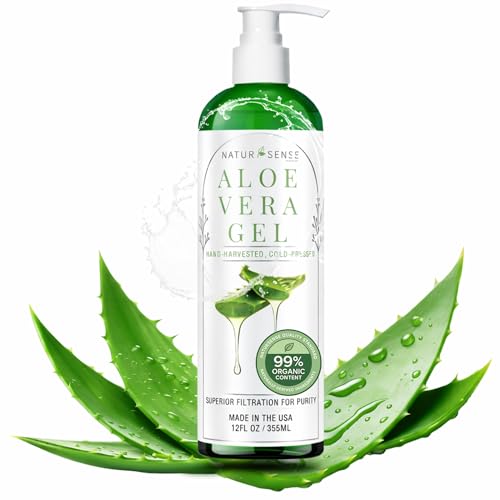
LIGHTWEIGHT HYDRATION, NO STICKY FILM – A thin, water-light aloe vera gel that absorbs fast and leaves skin fresh, not tacky. Made with 99% cold-pressed organic aloe leaf juice; the other 1% is a plant-based thickener, stabilizers and a gentle preservative. No alcohol, no dyes, no added fragrance.

THE DOME SOOTHER: Calm your scalp after a quick shave with a non-irritating formula that helps soothe your skin, provides all-day hydration, and dries clear.
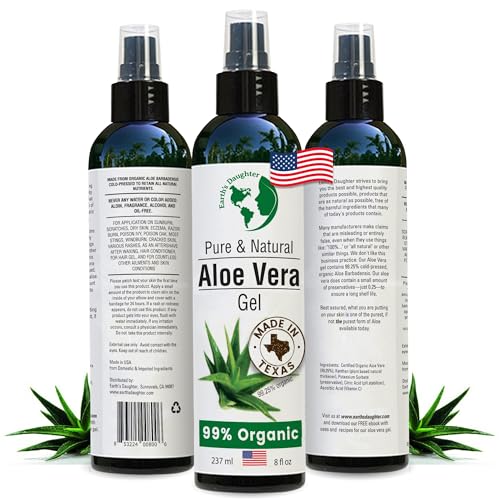
PURE & NATURAL ALOE VERA GEL: Earth’s Daughter aloe vera gel is cold pressed from organically farmed aloe grown in Texas; Our unscented Aloe is loaded with amino acids, minerals, and nutrients