To shave your goatee, you’ll start by washing your face with warm water and applying beard wash to soften the hair. Next, select appropriate guard settings (#3-#5 for short styles) and trim against hair growth for even bulk removal. Use a precision trimmer to define clean edges along your cheeks and neck, shaving against the grain. Finally, apply quality beard oil to hydrate your skin and prevent irritation. These foundational steps’ll establish your goatee’s shape, though there’s much more technique to master.
Prepare Your Face and Beard for Trimming
Before you begin trimming your goatee, you’ll need to prepare your face and beard properly to guarantee clean, even results. Start by washing your face with warm water to open your pores and soften the hair, using a mild beard wash or cleanser to remove dirt and oils. Pat your face dry with a clean towel rather than rubbing, which prevents irritation.
Next, hydrate your beard with warm water and apply shave gel or cream to non-goatee areas for lubrication. Use beard oil to moisturize dry facial hair, allowing products to sit for one to two minutes. Brush your beard with a quality beard brush to align hairs directionally. Regular maintenance of your grooming tools, including cleaning your beard trimmer periodically, will help maintain optimal performance during use. To further extend blade life, brush away hair buildup before each use by removing excess debris from the trimmer blades.
Gather your grooming tools, including an adjustable beard trimmer with guards, a precision trimmer, and a clean towel. Proper beard health depends on this preparation, reducing tug and clogs during trimming. Using fixed-length comb attachments like the 2 mm, 4 mm, and 6 mm options will help you select the appropriate length for your desired beard style before beginning the trimming process.
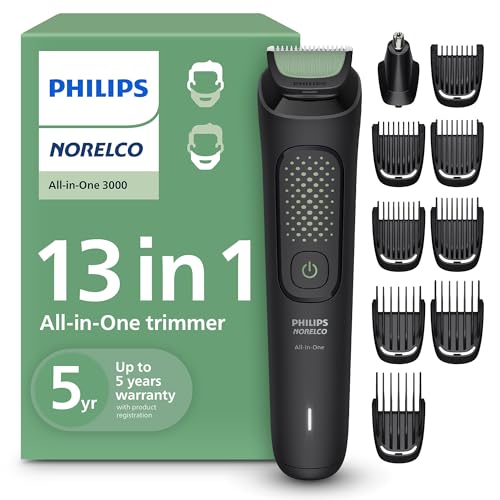
Skin-Friendly Blades: Rounded comfort-blade tips feel gentle on skin for a quick, comfortable trim when shaping beard or hair

Precise & effortless styling: Braun’s All-in-One Trimmer Kit, Series 5, lets you effortlessly trim your beard, hair, ears, nose and body

THE BEARD HEDGER: Our precision beard groomer comes equipped with an intuitive zoom wheel with 20 different lengths (.5mm increments up to 10mm max. length) to choose from so you can ditch the dozen clipper attachments and trim anything from a lumberjack ‘stache to stubble.
Trim and Shape Your Goatee to the Right Length
With your beard properly prepared and tools gathered, you’re ready to begin trimming and shaping your goatee to your desired length.
Start with guard selection by choosing a longer setting than your target length to prevent over-trimming. For short goatees, use #3-#5 guards; for medium styles, select #5-#6 guards. Set your trimmer to the chosen guard and begin trimming techniques against hair growth to remove bulk evenly.
Make initial passes across the entire goatee area, then repeat at progressively shorter settings for gradual length reduction. Use fixed-length combs to establish uniform coverage before detailed work. For better control in shaping contours, consider using an underhand grip when working around the jawline and neck area.
Maintain proper proportion by keeping a 2-3 finger gap between your Adam’s apple and goatee bottom. Trim conservatively, checking symmetry throughout. For the smoothest results without irritation, pairing your trimmer with a foil shaver can provide finishing touches that rival manual razors. Shorter neck and cheek hair—under 6mm—enhances definition. Make incremental adjustments until you achieve your desired result.

Unified Beard Styling: This complete 11pcs hair cutting accessories kit delivers a practical beard grooming kit designed for bathroom daily grooming and self haircut at home. Uniting 6pcs t blade guards with 5pcs goatee shaping template tools, it gives home beard trimming users absolute command over facial outlines and hair length. You produce clean symmetry along the chin while performing smooth fade blending along sideburns. The comprehensive setup replaces separate barber supplies, improving weekend beard styling and home grooming routines with reliable precision.

Easy to Use: Simplifies at-home grooming—no professional skills needed. Ideal for beginners and experienced users alike to achieve consistent, polished results.

BEARD SHAPER FOR MEN: Beard Trimming Guide Tool include one piece Transparent 8-in-1 Clear Multi Shaping Beard Tool, one piece Transparent Hands-Free & Flexible Beard Shaper Neckline Guide, one piece Red-Beard Shaper Goatee Mustache Grooming Tool, Lineup Stencil Kit perfect template tool for achieving clean, symmetrical necklines, cheek lines, and jaw lines while trimming or shaping facial hair
Define Your Goatee’s Edges and Outline
Once you’ve established your goatee’s length and overall shape, you’ll need to define its edges and outline to create sharp, polished lines that enhance your facial features.
Start with edge definition by combing your beard to flatten the hairs. Use a precision trimmer or electric clippers without a guard to carve clean outlines along your mustache, chin, and soul patch. Apply outline techniques by drawing guide lines with a washable marker from multiple angles to preview your design before trimming. Regular trimming is crucial for maintaining these defined lines and preventing your goatee from becoming overgrown and losing its sharp appearance.
Work systematically from the mustache ends downward, rounding the bottom corners of your chin. Square your sideburns directly above your ear openings. For the soul patch, trim it into a downward-pointing triangle, ensuring tight edges follow your lip line. To keep your clippers performing optimally during detailed work, apply clipper oil after each grooming session to maintain blade sharpness and precision. Maintaining clean lines around your goatee also helps with infection control by reducing areas where bacteria can accumulate. Check symmetry throughout to maintain balance and proportion across your entire goatee.
Shave Your Cheeks and Neck
Now that you’ve defined your goatee’s edges, you’ll prepare your cheeks and neck for shaving by softening the hair and skin. Splash warm water on your face to open pores, then apply shaving foam evenly across your cheeks, neck, and jawline.
For cheek trimming, use a precision trimmer set at #3 to reduce length, working from your chin toward your ears with slow, continuous strokes. Maintain symmetry by checking both sides. Employ careful strokes to avoid accidentally shaving into your goatee outline during this critical step.
During neck shaving, shave against hair growth with single strokes, avoiding your goatee edge. Apply your electric shaver for a razor-close finish without nicks. Use light pressure throughout to minimize irritation and clogging. For sensitive areas around the neck, consider using skin-friendly grooming tools designed to prevent razor burn and bumps. Look for shavers with flexible hybrid heads and nick-free technology specifically engineered for delicate neck skin.
Rinse your blade between strokes to prevent buildup, then pat your skin dry and apply moisturizer.

Essential electric shaver for women and girls is designed for shaving sensitive skin on legs

From the #1 electric shaver brand¹: Shaver 2400 Series gives you a fast, clean shave even on sensitive skin thanks to 27 self-sharpening ComfortCut blades and 4D Flex Heads
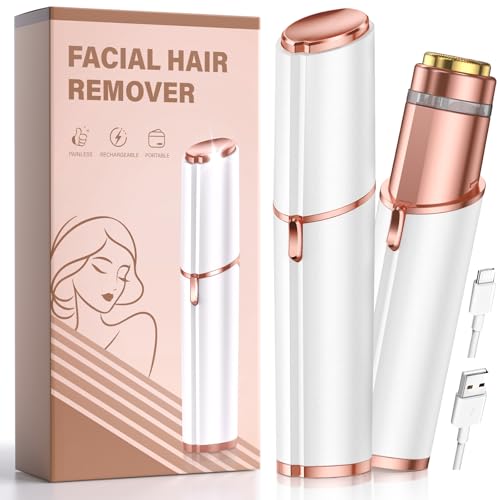
Precise & Effective Facial Hair Remover - Erase peach fuzz on lips, chin, neck, and cheeks effortlessly. Prep skin like a pro: gently rotate against hair growth direction before makeup for 3x better foundation adherence and 15-minute shorter routine.
Apply Oil and Prevent Irritation
Your skin’s health depends on proper oil application after shaving your cheeks and neck. You’ll want to apply a quality beard oil immediately post-shave to create a protective barrier against irritation. The oil application process hydrates your skin while conditioning facial hair, considerably reducing razor burn and redness.
Work the oil into your skin with gentle, upward strokes, ensuring complete coverage of shaved areas. You can also apply oil pre-shave to soften your beard and create a friction-free surface for a closer shave. Regular oil application encourages a healthier complexion by nourishing the skin exposed during the shaving process. Specialized oils formulated with friction-reducing ingredients help create smoother shaving conditions similar to how clipper oils maintain blade performance. Shave oils formulated with ingredients like shea butter and argan oil provide lightweight, quick-absorbing moisturization that conditions both skin and hair without leaving greasy residue.
For irritation relief, focus on antioxidant-rich oils like jojoba that absorb quickly without leaving greasy residue. This irritation relief approach prevents ingrown hairs, nicks, and post-shave discomfort while promoting healthier skin beneath your remaining goatee.

CALMS SKIN & FIGHTS RAZOR BURN - Our mens aftershave balm is infused with Chamomile, Tea Tree Oil & Willow Bark to calm irritated skin, soothe razor burn, and reduce redness after shaving

STOPS INGROWN HAIRS & RAZOR BUMPS AT THE ROOT Say goodbye to painful bumps, redness, and irritation. This lightweight botanical oil helps reduce follicle congestion, calm inflammation, and prevent hairs from curling back into the skin after shaving, waxing, or laser hair removal. Formulated with Tea Tree and Sage Oil to clarify skin and support smoother regrowth. Good for Men & Women
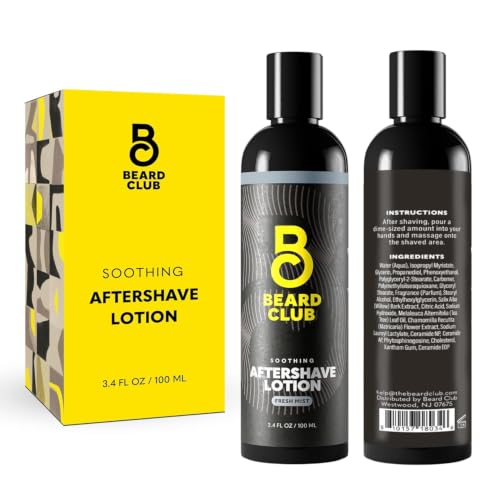
CALMS SKIN & FIGHTS RAZOR BURN - Our mens aftershave balm is infused with Chamomile, Tea Tree Oil & Willow Bark to calm irritated skin, soothe razor burn, and reduce redness after shaving