You can sharpen your hair trimmer by first cleaning the blades thoroughly with a brush and disinfectant spray. Next, choose between stone sharpening for superior results or sandpaper for affordability. Work systematically on the blade flats using consistent pressure and angle control, then progress to finer grits for polishing. Finally, align your blades to 1/32″ to 1/16″ spacing, set proper tension, and test for smooth operation. When sharpening no longer restores performance, replacement becomes necessary.
Get Your Clipper Blades Ready: Cleaning and Disassembly
Before you’ll need to prepare them through thorough cleaning and disassembly. Start by brushing away hair clippings and debris from the blades and carriage using a stiff brush or old toothbrush. Next, perform deep cleaning by dipping your powered-on clipper blades into cleaning solution 2-3 times to extract embedded hair. Turn off the clipper, wipe with a clean cloth, and brush away remaining particles.
For blade maintenance, sanitize with clipper disinfectant spray or 70% isopropyl alcohol to guarantee hygiene. Apply one drop of oil to each side of the stationary bottom blade, turn the clipper on briefly to distribute it, then wipe excess with a soft cloth. Regular oiling contributes to better clipper longevity and ensures optimal blade performance during the sharpening process. For waterproof clippers, you can enhance cleaning by soaking blades in a vinegar-water solution for deeper debris removal. Proper maintenance prevents fungal and bacterial growth that can compromise blade effectiveness and hygiene.
Once thoroughly cleaned, oiled, and disinfected using proper cleaning supplies, your blades are ready for safe disassembly and sharpening.
Choose Your Blade Sharpening Method: Stone vs. Sandpaper
Once you’ve cleaned and prepared your clipper blades, you’ll need to select the sharpening method that best suits your needs and skill level.
Stone advantages include superior edge quality and durability. Traditional oil stones deliver precise blade geometry when you maintain a 30-45 degree angle across approximately 10 passes. You’ll complete sharpening in just 1-2 minutes, making stones efficient for regular maintenance. After sharpening, apply white mineral oil to your blades to maintain optimal lubrication and cutting performance.
Sandpaper accessibility makes it an excellent alternative if you lack traditional stones. Fine-grit options (600-800 grit) provide consistent results through gentle, controlled rubbing motions. Sandpaper costs less and remains readily available, perfect for routine blade upkeep. Regular maintenance of your sharpening tools ensures they continue to perform effectively over time. Before sharpening, ensure your blades are properly disinfected using 70% isopropyl alcohol or another approved sanitizing method to maintain hygiene standards.
Both methods demand careful angle consistency to achieve uniform sharpness. Your choice depends on your budget, available equipment, and maintenance frequency. Either approach works effectively when you apply proper technique.

Razor Sharp In An Instant - Spend more time perfecting those cuts and less time sharpening your trimmer blade. This premium blade modifier sharpens trimmer blades by up to 70% in 1 minute or less.

Exceptional Professional Design Hair Trimmer | Introducing the Blade & Stone Professional Trimmer. Engineered by by seasoned barbers and world class engineers, Blade & Stone tools are proudly for barbers, by barbers, and built from the ground up with our customers, and their clients, in mind.

Safety: We understand the importance of safety when using sharpening stones for knives, your purchase comes with a rubber base for holding the stone inside a Non-Slip Bamboo base, this setup will ensure the wetstone is Fixed In One Place while sharpening. And knife sharpening angle guide allows you to maintain the Correct Angle and safely apply consistent pressure while sharpening the blade
Sharpen Your Blade Flats and Edges Using Your Method
Properly sharpening your clipper blades requires you to work systematically through both the flats and edges, maintaining consistent pressure and angle throughout the process. Start with your blade flats, laying them flat against the stone with 3-5 pounds of even pressure for 10 passes. Use a 1000 grit stone initially, then progress to 6000 grit for polishing. Next, address the blade edges by positioning them at a 30-45 degree angle and executing one-directional strokes across the stone. Complete 10 passes per edge with light, consistent pressure. These sharpening techniques guarantee balanced blade maintenance and prevent uneven wear. Regular cleaning before sharpening extends blade lifespan and ensures the sharpening process is more effective on debris-free surfaces. For best results, consider using a mild abrasive like toothpaste or polishing compound to remove oxidation and further hone your blade edges. After sharpening is complete, apply manufacturer-recommended clipper oil to reduce friction and protect your blades. Check for a shiny, even appearance on both flats and edges to verify successful sharpening.
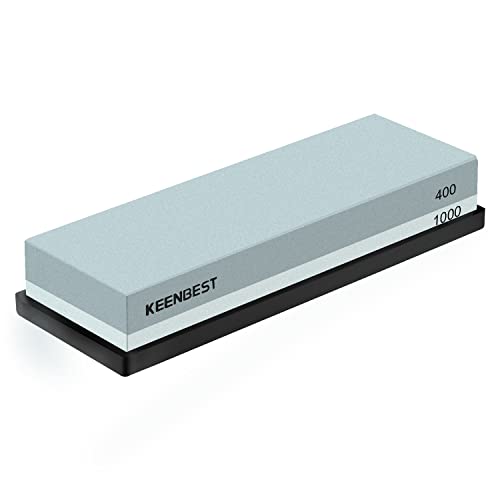
No oil needed, just put the stone into water for 10-15 minutes before using and they are ready to use. You can always adding water on it while sharpening, with water the lubricating effect of grinding will be great and helps you to save strength

Quick and easy

2" x 1 1/4" x 8"
Align Your Blades and Set Tension to Dime Thickness
Sharp blades alone won’t deliver clean cuts if they’re not properly aligned and tensioned. You’ll need to position your top blade teeth 1/32″ to 1/16″ back from the bottom blade—essentially a dime’s thickness. This offset prevents skin pinching while ensuring peak cutting performance. Proper blade alignment also reduces clipper noise and vibration, contributing to a more comfortable experience for both you and your clients.
Check your alignment tips by positioning the extreme left tooth of your top blade over the first small tooth or gap of the bottom blade. Verify that both blades remain parallel across their entire length on a flat surface.
For tension adjustment, use your tension adjuster to maintain 0.8mm or less gap between blades. Turn the power screw counter-clockwise about one-eighth turn if needed. As you account for any blade wear, press your thumb on the lower blade for stability during adjustments. To prevent damage during this process, maintain even pressure when making any adjustments to your clipper tension.

Package Include:2Set/4Pcs*Cutter Accessories+1PCS Motor

The package comes with 1 piece cam follower and 2 pieces spring tensions

𝐏𝐞𝐫𝐟𝐞𝐜𝐭 𝐅𝐢𝐭: These Electric Hair Clipper Springs are precisely designed to be compatible with Babyliss FX870 clippers. Please verify compatibility with your specific cordless clipper model before purchasing
Clean and Test for Smooth Operation
Maintenance is the cornerstone of keeping your trimmer operating at peak performance, and it begins with a thorough cleaning regimen. You’ll want to dry all components with a clean cloth or allow them to air dry, preventing rust and corrosion. Once reassembled, verify your blades align properly before testing. Consider using mild soap and brushes to remove any debris from blade surfaces before drying. For thorough disinfection, spray isopropyl alcohol on the blade surfaces and let it sit briefly before air-drying.
Run your trimmer for several seconds to check for smooth, quiet operation. Listen carefully for rattling, vibration, or power loss—these signs indicate you need deeper blade maintenance. A test cut reveals true performance testing results; smooth cutting without pulling or patchy outcomes confirms your trimmer’s readiness. If you detect any irregularities during operation, return to your previous alignment steps and recheck blade tension. Regular oiling every 2 uses maintains optimal cutting performance and prevents friction-related issues. Proper blade maintenance guarantees ideal cutting performance.
Replace Your Blades When Sharpening Fails
Despite your best maintenance efforts, there’ll come a time when your trimmer blades reach the end of their service life and can’t be restored through sharpening alone. Visible chipping, persistent dullness, and performance decline signal blade wear that requires replacement.
Before starting, observe critical safety precautions: power off and unplug your trimmer, lock the mechanism, and remove accumulated hair and debris. These steps prevent accidental activation and hand injuries during disassembly. Worn-out blades put additional strain on the trimmer’s motor, decreasing overall performance and further justifying the need for prompt replacement. When you can’t resolve the issue yourself, services like professional blade replacement can handle the process on your behalf.
Use the appropriate screwdriver to remove securing screws counterclockwise, then carefully lift the blade head from the trimmer body. Detach the old blade, inspect the socket area for debris, and align your replacement blade properly with the head assembly. Selecting the correct guide combs and guards for your specific trimmer model ensures optimal compatibility during reassembly. Reattach and tighten screws clockwise, then verify smooth blade movement before powering on.

The authentic genuine Philips OneBlade blades

Fits models 9100, 9200, 9400, 9600, 9700, 8640-500, 8645-500, 8643-500, M/C, S/C.

Package Contents: 2 X T9 Hair Clipper Replacement Blade ( 28mm height, 40mm wide T-Blade )